Integrated single-cell and network analysis identifies SLAMF7 as a secretory mediator of the joint-lung axis in rheumatoid arthritis-associated interstitial lung disease targetable by Tanshinone IIA.
{"title":"Integrated single-cell and network analysis identifies SLAMF7 as a secretory mediator of the joint-lung axis in rheumatoid arthritis-associated interstitial lung disease targetable by Tanshinone IIA.","authors":"Xuan He, Qingxu Ha, Liangjing Lu, Jian Gao","doi":"10.1016/j.phymed.2026.158583","DOIUrl":null,"url":null,"abstract":"<p><strong>Background: </strong>Interstitial lung disease (ILD) is one of the most serious extra-articular complications of rheumatoid arthritis (RA). However, the immune-fibrotic mediators that bridge articular inflammation and pulmonary injury have not been fully defined. Natural products represent a promising source of multi-target therapeutics, but their therapeutic effects and mechanisms in RA-ILD remain largely unclear.</p><p><strong>Purpose: </strong>This study aimed to identify key immune-related secretory proteins involved in RA-ILD and to explore potential therapeutic compounds targeting the inflammatory-fibrotic axis.</p><p><strong>Methods: </strong>We performed an integrated bioinformatic analysis using transcriptomic datasets from RA synovial tissues, RA peripheral blood mononuclear cells (PBMCs), and ILD lung tissues. RA-associated differentially expressed secretory proteins and ILD lung key genes were identified through differential expression analysis and weighted gene co-expression network analysis (WGCNA). Shared candidate genes were further prioritized using LASSO regression, support vector machine-recursive feature elimination (SVM-RFE), and external validation in an independent RA-ILD dataset. Protein-protein interaction (PPI) network analysis and functional enrichment were used to define a shared inflammatory program and guide compound prediction. Tanshinone IIA (TANIIA) was prioritized for experimental validation. Serum ELISA, collagen-induced arthritis (CIA) mouse studies, histology, flow cytometry, immunofluorescence, single-cell RNA sequencing analysis, macrophage-fibroblast co-culture, western blotting, and cellular thermal shift assay (CETSA) were used to validate molecular and pharmacological findings.</p><p><strong>Results: </strong>SLAMF7 was identified as the sole hub gene converging RA-associated secretory proteins, ILD-related key genes, and RA-ILD differential expression signatures, exhibiting strong diagnostic performance and significantly elevated serum levels in RA-ILD patients. Network analysis identified a broader inflammatory hub-gene program enriched in TNF, chemokine, and IL-17 signaling pathways, with SLAMF7 linked to this network. TANIIA was prioritized as a candidate compound and showed favorable docking affinity to multiple hub-gene targets. In CIA mice, TANIIA alleviated arthritis, reduced circulating inflammatory and profibrotic mediators, downregulated SLAMF7 expression, and attenuated pulmonary fibrosis and macrophage infiltration. scRNA-seq revealed that SLAMF7 was enriched in pulmonary macrophages with a profibrotic transcriptional program. In vitro, recombinant SLAMF7 was sufficient to induce M2-like macrophage polarization accompanied by CREB/C/EBPβ activation, whereas TANIIA attenuated this response.</p><p><strong>Conclusion: </strong>SLAMF7 is a potential biomarker and mechanistically relevant mediator linking inflammation and fibrosis in RA-ILD. TANIIA exerts dual protective effects on joint and lung pathology by suppressing inflammatory responses and targeting the SLAMF7-associated macrophage-fibrosis axis.</p>","PeriodicalId":20212,"journal":{"name":"Phytomedicine","volume":"159 ","pages":"158583"},"PeriodicalIF":11.3000,"publicationDate":"2026-09-01","publicationTypes":"Journal Article","fieldsOfStudy":null,"isOpenAccess":false,"openAccessPdf":"","citationCount":"0","resultStr":null,"platform":"Semanticscholar","paperid":null,"PeriodicalName":"Phytomedicine","FirstCategoryId":"3","ListUrlMain":"https://doi.org/10.1016/j.phymed.2026.158583","RegionNum":1,"RegionCategory":"医学","ArticlePicture":[],"TitleCN":null,"AbstractTextCN":null,"PMCID":null,"EPubDate":"2026/7/15 0:00:00","PubModel":"Epub","JCR":"Q1","JCRName":"CHEMISTRY, MEDICINAL","Score":null,"Total":0}
引用次数: 0
Abstract
Background: Interstitial lung disease (ILD) is one of the most serious extra-articular complications of rheumatoid arthritis (RA). However, the immune-fibrotic mediators that bridge articular inflammation and pulmonary injury have not been fully defined. Natural products represent a promising source of multi-target therapeutics, but their therapeutic effects and mechanisms in RA-ILD remain largely unclear.
Purpose: This study aimed to identify key immune-related secretory proteins involved in RA-ILD and to explore potential therapeutic compounds targeting the inflammatory-fibrotic axis.
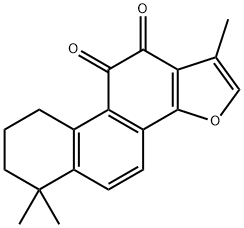
Methods: We performed an integrated bioinformatic analysis using transcriptomic datasets from RA synovial tissues, RA peripheral blood mononuclear cells (PBMCs), and ILD lung tissues. RA-associated differentially expressed secretory proteins and ILD lung key genes were identified through differential expression analysis and weighted gene co-expression network analysis (WGCNA). Shared candidate genes were further prioritized using LASSO regression, support vector machine-recursive feature elimination (SVM-RFE), and external validation in an independent RA-ILD dataset. Protein-protein interaction (PPI) network analysis and functional enrichment were used to define a shared inflammatory program and guide compound prediction. Tanshinone IIA (TANIIA) was prioritized for experimental validation. Serum ELISA, collagen-induced arthritis (CIA) mouse studies, histology, flow cytometry, immunofluorescence, single-cell RNA sequencing analysis, macrophage-fibroblast co-culture, western blotting, and cellular thermal shift assay (CETSA) were used to validate molecular and pharmacological findings.
Results: SLAMF7 was identified as the sole hub gene converging RA-associated secretory proteins, ILD-related key genes, and RA-ILD differential expression signatures, exhibiting strong diagnostic performance and significantly elevated serum levels in RA-ILD patients. Network analysis identified a broader inflammatory hub-gene program enriched in TNF, chemokine, and IL-17 signaling pathways, with SLAMF7 linked to this network. TANIIA was prioritized as a candidate compound and showed favorable docking affinity to multiple hub-gene targets. In CIA mice, TANIIA alleviated arthritis, reduced circulating inflammatory and profibrotic mediators, downregulated SLAMF7 expression, and attenuated pulmonary fibrosis and macrophage infiltration. scRNA-seq revealed that SLAMF7 was enriched in pulmonary macrophages with a profibrotic transcriptional program. In vitro, recombinant SLAMF7 was sufficient to induce M2-like macrophage polarization accompanied by CREB/C/EBPβ activation, whereas TANIIA attenuated this response.
Conclusion: SLAMF7 is a potential biomarker and mechanistically relevant mediator linking inflammation and fibrosis in RA-ILD. TANIIA exerts dual protective effects on joint and lung pathology by suppressing inflammatory responses and targeting the SLAMF7-associated macrophage-fibrosis axis.
期刊介绍:
Phytomedicine is a therapy-oriented journal that publishes innovative studies on the efficacy, safety, quality, and mechanisms of action of specified plant extracts, phytopharmaceuticals, and their isolated constituents. This includes clinical, pharmacological, pharmacokinetic, and toxicological studies of herbal medicinal products, preparations, and purified compounds with defined and consistent quality, ensuring reproducible pharmacological activity. Founded in 1994, Phytomedicine aims to focus and stimulate research in this field and establish internationally accepted scientific standards for pharmacological studies, proof of clinical efficacy, and safety of phytomedicines.

 求助内容:
 应助结果提醒方式:


 京公网安备 11010802042870号


