
Integrating transcriptomics and network pharmacology to explore the mechanism of Rhizoma Corydalis in preventing DOX-induced acute myocardial injury in mice

Q3 Pharmacology, Toxicology and Pharmaceutics
Phytomedicine Plus Pub Date : 2026-08-01 Epub Date: 2026-06-20 DOI:10.1016/j.phyplu.2026.101014
Shanlan Li, Jin An, Tong Man, Jie Wang, jiaxuan Xu, Die Hu, Yuke Li, Dongling Liao, Zhenyuan Yang, Ximo Zhou, Bing Xu, Herong Cui, Haimin Lei
{"title":"Integrating transcriptomics and network pharmacology to explore the mechanism of Rhizoma Corydalis in preventing DOX-induced acute myocardial injury in mice","authors":"Shanlan Li,&nbsp;Jin An,&nbsp;Tong Man,&nbsp;Jie Wang,&nbsp;jiaxuan Xu,&nbsp;Die Hu,&nbsp;Yuke Li,&nbsp;Dongling Liao,&nbsp;Zhenyuan Yang,&nbsp;Ximo Zhou,&nbsp;Bing Xu,&nbsp;Herong Cui,&nbsp;Haimin Lei","doi":"10.1016/j.phyplu.2026.101014","DOIUrl":null,"url":null,"abstract":"<div><h3>Ethnopharmacological relevance</h3><div>Acute myocardial infarction (AMI) significantly increases the global health and economic burden. Although Western drug therapies have successfully reduced mortality in patients with acute myocardial injury, they are not without drawbacks, including a range of adverse effects. Although Rhizoma Corydalis (YHS) has been used in China for over a thousand years to prevent cardiac conditions, its precise preventive and therapeutic effects on AMI areremain unclear, necessitating further research into its mechanisms of action.</div></div><div><h3>Aim of the study</h3><div>To assess the therapeutic potential of YHS against AMI, this study seeks to identify its active components and thereby establish its pharmacological basis.</div></div><div><h3>Materials and methods</h3><div>In this study, an AMI model was established in mice by tail vein injection of doxorubicin (DOX). Network pharmacology and UHPLC-Q Exactive Orbitrap HRMS technology were used to predict the active constituents, target molecules, and mechanisms of action of YHS against AMI. Echocardiography, histopathological examination, and serum biochemical assays were utilized to assess the therapeutic benefits of YHS and its main active component TP on the AMI mice model. The effects of YHS on the signaling pathways and gene expression profile in AMI were investigated by transcriptome analysis. ROS staining, Western blotting, PCR, and immunofluorescence were utilized to validate the mechanisms of YHS in preventing AMI.</div></div><div><h3>Results</h3><div>According to our research, DOX-induced changes in body weight and cardiac indices were considerably improved by both YHS and its main active component TP, which also successfully decreased levels of lactate dehydrogenase (LDH) and creatine kinase MB isoenzyme (CK-MB). YHS and TP significantly improved the low EF and FS levels brought on by DOX overdose, according to echocardiography. Myofibrillar disarray, myocardial cell nuclear atrophy, and inflammatory cell infiltration in the heart were all improved by YHS and TP, according to histological study. The NOD-like receptor pathway, which included important proteins like Nox2, TXNIP, NLRP3, and Caspase-1, may be the basis for YHS's ACT-improving mechanism, according to network pharmacology prediction and transcriptomics research. In addition, DHE staining, immunofluorescence detection, PCR, and Western blot experiments demonstrated that YHS improved AMI in mice by inhibiting DOX-activated Nox2, lowering excessive ROS production, suppressing TXNIP translocation, and reducing inflammasome expression (including NLRP3 and Caspase-1).</div></div><div><h3>Conclusion</h3><div>According to research, YHS successfully reduced doxorubicin-induced acute myocardial injury by blocking the NOD-like receptor pathway, lowering levels of reactive oxygen species (ROS) and the important oxidative stress gene <em>Cybb</em>, and decreasing the production of inflammasomes. This work offered fresh perspectives on the pharmacological activities of traditional Chinese medicine in treating AMI from a variety of angles by first revealing the intricate processes by which YHS prevented AMI at the levels of oxidative stress and inflammasome.</div></div>","PeriodicalId":34599,"journal":{"name":"Phytomedicine Plus","volume":"6 3","pages":"Article 101014"},"PeriodicalIF":0.0000,"publicationDate":"2026-08-01","publicationTypes":"Journal Article","fieldsOfStudy":null,"isOpenAccess":false,"openAccessPdf":"","citationCount":"0","resultStr":null,"platform":"Semanticscholar","paperid":null,"PeriodicalName":"Phytomedicine Plus","FirstCategoryId":"1085","ListUrlMain":"https://www.sciencedirect.com/science/article/pii/S2667031326000606","RegionNum":0,"RegionCategory":null,"ArticlePicture":[],"TitleCN":null,"AbstractTextCN":null,"PMCID":null,"EPubDate":"2026/6/20 0:00:00","PubModel":"Epub","JCR":"Q3","JCRName":"Pharmacology, Toxicology and Pharmaceutics","Score":null,"Total":0}
引用次数: 0

Abstract

Ethnopharmacological relevance

Acute myocardial infarction (AMI) significantly increases the global health and economic burden. Although Western drug therapies have successfully reduced mortality in patients with acute myocardial injury, they are not without drawbacks, including a range of adverse effects. Although Rhizoma Corydalis (YHS) has been used in China for over a thousand years to prevent cardiac conditions, its precise preventive and therapeutic effects on AMI areremain unclear, necessitating further research into its mechanisms of action.

Aim of the study

To assess the therapeutic potential of YHS against AMI, this study seeks to identify its active components and thereby establish its pharmacological basis.

Materials and methods

In this study, an AMI model was established in mice by tail vein injection of doxorubicin (DOX). Network pharmacology and UHPLC-Q Exactive Orbitrap HRMS technology were used to predict the active constituents, target molecules, and mechanisms of action of YHS against AMI. Echocardiography, histopathological examination, and serum biochemical assays were utilized to assess the therapeutic benefits of YHS and its main active component TP on the AMI mice model. The effects of YHS on the signaling pathways and gene expression profile in AMI were investigated by transcriptome analysis. ROS staining, Western blotting, PCR, and immunofluorescence were utilized to validate the mechanisms of YHS in preventing AMI.

Results

According to our research, DOX-induced changes in body weight and cardiac indices were considerably improved by both YHS and its main active component TP, which also successfully decreased levels of lactate dehydrogenase (LDH) and creatine kinase MB isoenzyme (CK-MB). YHS and TP significantly improved the low EF and FS levels brought on by DOX overdose, according to echocardiography. Myofibrillar disarray, myocardial cell nuclear atrophy, and inflammatory cell infiltration in the heart were all improved by YHS and TP, according to histological study. The NOD-like receptor pathway, which included important proteins like Nox2, TXNIP, NLRP3, and Caspase-1, may be the basis for YHS's ACT-improving mechanism, according to network pharmacology prediction and transcriptomics research. In addition, DHE staining, immunofluorescence detection, PCR, and Western blot experiments demonstrated that YHS improved AMI in mice by inhibiting DOX-activated Nox2, lowering excessive ROS production, suppressing TXNIP translocation, and reducing inflammasome expression (including NLRP3 and Caspase-1).

Conclusion

According to research, YHS successfully reduced doxorubicin-induced acute myocardial injury by blocking the NOD-like receptor pathway, lowering levels of reactive oxygen species (ROS) and the important oxidative stress gene Cybb, and decreasing the production of inflammasomes. This work offered fresh perspectives on the pharmacological activities of traditional Chinese medicine in treating AMI from a variety of angles by first revealing the intricate processes by which YHS prevented AMI at the levels of oxidative stress and inflammasome.
结合转录组学和网络药理学探讨连根预防dox致小鼠急性心肌损伤的机制
急性心肌梗死(AMI)显著增加了全球健康和经济负担。尽管西药疗法已经成功地降低了急性心肌损伤患者的死亡率,但它们也不是没有缺点,包括一系列的副作用。虽然在中国,连翘(YHS)用于预防心脏病已有一千多年的历史,但其对AMI的确切预防和治疗作用尚不清楚,需要进一步研究其作用机制。研究目的:为了评估YHS对AMI的治疗潜力,本研究试图鉴定其有效成分,从而建立其药理学基础。材料与方法本研究采用尾静脉注射阿霉素(DOX)建立小鼠AMI模型。采用网络药理学和UHPLC-Q Exactive Orbitrap HRMS技术预测了YHS抗AMI的有效成分、靶分子及作用机制。采用超声心动图、组织病理学检查和血清生化分析,评价黄芪多糖及其主要活性成分TP对AMI小鼠模型的治疗效果。通过转录组分析研究了YHS对AMI信号通路和基因表达谱的影响。采用ROS染色、Western blotting、PCR、免疫荧光等方法验证YHS预防AMI的作用机制。结果经我们的研究,黄芪多糖及其主要活性成分TP均能显著改善dox诱导的大鼠体重和心脏指标的变化,并成功降低乳酸脱氢酶(LDH)和肌酸激酶MB同工酶(CK-MB)的水平。超声心动图显示,YHS和TP可显著改善DOX过量引起的低EF和FS水平。组织学研究显示,YHS和TP均能改善心肌纤维紊乱、心肌细胞核萎缩和心肌炎症细胞浸润。根据网络药理学预测和转录组学研究,Nox2、TXNIP、NLRP3、Caspase-1等重要蛋白可能是YHS改善act机制的基础。此外,DHE染色、免疫荧光检测、PCR和Western blot实验表明,YHS通过抑制dox激活的Nox2、降低过量ROS的产生、抑制TXNIP易位、降低炎性小体(包括NLRP3和Caspase-1)的表达来改善小鼠AMI。结论研究表明,YHS通过阻断nod样受体通路,降低活性氧(ROS)和重要氧化应激基因Cybb的水平,减少炎症小体的产生,成功减轻了阿霉素诱导的急性心肌损伤。本研究首次揭示了黄芪在氧化应激和炎性体水平上预防急性心肌梗死的复杂过程,从多个角度为中药治疗急性心肌梗死的药理作用提供了新的视角。
本文章由计算机程序翻译,如有差异,请以英文原文为准。
求助全文
约1分钟内获得全文 求助全文
来源期刊
Phytomedicine Plus
Phytomedicine Plus Medicine-Complementary and Alternative Medicine
CiteScore
3.70
自引率
0.00%
发文量
178
审稿时长
81 days
期刊介绍:
文献相关原料
原料信息
原料厂家
1
Agilent 5300
2
SYBR Green Promix Pro Taq HS qPCR Kit
3
C57BL/6 mice
4
Bio-Rad imaging system
5
Captopril tablets
6
Anhydrous ethanol
7
T100 Thermal Cycler
8
YHS herbal slices
9
YHS herbal slices
10
PVDF membrane
11
Caspase-1 antibody
12
GAPDH antibody
13
Nox2 antibody
14
Protein-Free Rapid Blocking Solution
15
RIPA lysis buffer
16
BCA protein quantification kit
17
RIPA lysis buffer
18
ECL detection kit
19
RevertAID First Strand cDNA Synthesis Kit
20
RNA extraction kit
21
UHPLC-Q Exactive Orbitrap HRMS system
22
Deionized water
23
ACQUITY BEH C18 column
24
anti-Caspase-1
25
anti-GAPDH
26
anti-Nox2
27
HRP-labeled secondary antibody
28
Tetrahydropalmatine
29
22
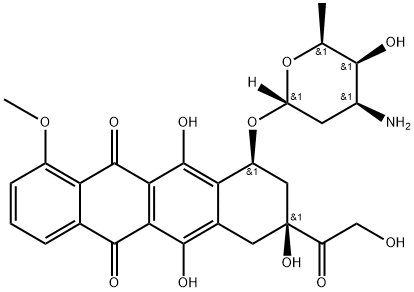
Doxorubicin
23214-92-8
¥119.00-¥21965.00
×
引用
GB/T 7714-2015
复制
MLA
复制
APA
复制
导出至
BibTeX EndNote RefMan NoteFirst NoteExpress
×
提示
您的信息不完整,为了账户安全,请先补充。
现在去补充
×
提示
您因"违规操作"
具体请查看互助需知
我知道了
×
提示
确定
请完成安全验证×
copy
已复制链接
快去分享给好友吧!
我知道了
右上角分享
点击右上角分享
0
联系我们:info@booksci.cn Book学术提供免费学术资源搜索服务,方便国内外学者检索中英文文献。致力于提供最便捷和优质的服务体验。 Copyright © 2023 布克学术 All rights reserved.
京ICP备2023020795号-1
ghs 京公网安备 11010802042870号
Book学术文献互助
Book学术文献互助群
群 号:604180095
Book学术官方微信
小红书



