Guo-Fu Zhong, Zhi-Wen Jiang, Xin Huang, Bo Lin, Qing-Hua Zhu, Ling Wang, Mujuan Xu, Yuxiang Liu, Maosheng Wang, Yue Han
{"title":"Tanshinone IIA Ameliorates Heart Failure by Inhibiting Ferroptosis via the Sirt1/p53/GPX4 Signaling Pathway.","authors":"Guo-Fu Zhong, Zhi-Wen Jiang, Xin Huang, Bo Lin, Qing-Hua Zhu, Ling Wang, Mujuan Xu, Yuxiang Liu, Maosheng Wang, Yue Han","doi":"10.1142/S0192415X26500564","DOIUrl":null,"url":null,"abstract":"<p><p>Heart failure (HF) is a high-mortality condition driven by cardiomyocyte death, and ferroptosis is a critical contributor to myocardial injury in this regard. Tanshinone IIA (Tan-IIA), a bioactive component from <i>Salvia miltiorrhiza</i>, has been shown to protect the heart, but its role in HF-related ferroptosis remains unclear. This study investigated whether Tan-IIA ameliorates HF by inhibiting ferroptosis and its underlying mechanism. We evaluated cardiac function, fibrosis, ferroptosis markers (such as ROS, Fe[Formula: see text], GSH, xCT, and GPX4), and Sirt1/p53 signaling using both a mouse model of HF induced by ligation of the left anterior descending (LAD) coronary artery and oxygen-glucose deprivation (OGD)-treated H9c2 cells. Direct binding of Tan-IIA to Sirt1 was verified by molecular docking, CETSA, and DARTS. Tan-IIA improved cardiac function, reduced fibrosis and inflammation, decreased ROS/Fe[Formula: see text], increased GSH, and upregulated xCT/GPX4 <i>in vivo</i> and <i>in vitro</i>. However, erastin reversed these effects. Tan-IIA upregulated Sirt1 and downregulated p53, while Sirt1 inhibition by EX527 abolished its cardioprotective and antiferroptotic actions. Tan-IIA ameliorates HF by inhibiting myocardial ferroptosis through the Sirt1/p53/GPX4 pathway thus in turn supports its potential clinical use in the treatment of HF.</p>","PeriodicalId":94221,"journal":{"name":"The American journal of Chinese medicine","volume":" ","pages":"1531-1550"},"PeriodicalIF":5.5000,"publicationDate":"2026-01-01","publicationTypes":"Journal Article","fieldsOfStudy":null,"isOpenAccess":false,"openAccessPdf":"","citationCount":"0","resultStr":null,"platform":"Semanticscholar","paperid":null,"PeriodicalName":"The American journal of Chinese medicine","FirstCategoryId":"1085","ListUrlMain":"https://doi.org/10.1142/S0192415X26500564","RegionNum":0,"RegionCategory":null,"ArticlePicture":[],"TitleCN":null,"AbstractTextCN":null,"PMCID":null,"EPubDate":"2026/7/6 0:00:00","PubModel":"Epub","JCR":"","JCRName":"","Score":null,"Total":0}
引用次数: 0
Abstract
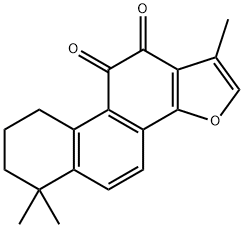
Heart failure (HF) is a high-mortality condition driven by cardiomyocyte death, and ferroptosis is a critical contributor to myocardial injury in this regard. Tanshinone IIA (Tan-IIA), a bioactive component from Salvia miltiorrhiza, has been shown to protect the heart, but its role in HF-related ferroptosis remains unclear. This study investigated whether Tan-IIA ameliorates HF by inhibiting ferroptosis and its underlying mechanism. We evaluated cardiac function, fibrosis, ferroptosis markers (such as ROS, Fe[Formula: see text], GSH, xCT, and GPX4), and Sirt1/p53 signaling using both a mouse model of HF induced by ligation of the left anterior descending (LAD) coronary artery and oxygen-glucose deprivation (OGD)-treated H9c2 cells. Direct binding of Tan-IIA to Sirt1 was verified by molecular docking, CETSA, and DARTS. Tan-IIA improved cardiac function, reduced fibrosis and inflammation, decreased ROS/Fe[Formula: see text], increased GSH, and upregulated xCT/GPX4 in vivo and in vitro. However, erastin reversed these effects. Tan-IIA upregulated Sirt1 and downregulated p53, while Sirt1 inhibition by EX527 abolished its cardioprotective and antiferroptotic actions. Tan-IIA ameliorates HF by inhibiting myocardial ferroptosis through the Sirt1/p53/GPX4 pathway thus in turn supports its potential clinical use in the treatment of HF.



 求助内容:
 应助结果提醒方式:


 京公网安备 11010802042870号


