{"title":"Quantitative Analysis of Flavonols and Their Glycosides and Gastrointestinal Transformation of Flavonol Glycosides in Yinxing Mihuan Oral Solution.","authors":"Yun Lyu, Wenqian Cheng, Kejing Niu, Shaoqing He, Lulu Ma, Jing Yang, Huijuan Yu","doi":"10.1155/jamc/1287338","DOIUrl":null,"url":null,"abstract":"<p><p>Yinxing Mihuan Oral Solution (YMOS) is extensively utilized in the clinical treatment of cardiovascular and cerebrovascular diseases (CCVDs), with flavonols and their glycosides identified as the primary active ingredients. Currently, there are relatively few established quantitative methods available for analyzing flavonols and their glycosides, and the research regarding their transformation patterns under simulated gastrointestinal conditions is still limited. In this study, network pharmacology was employed to predict the active compounds and targets of YMOS associated with cardiovascular and cerebrovascular protection. A comprehensive network integrating compounds, targets, bioactivities, and CCVDs was meticulously constructed for 10 flavonol glycosides and their aglycones. It revealed that these compounds exert their blood circulation-promoting and blood stasis-eliminating effects by modulating 20 key targets, highlighting their therapeutic potential in CCVDs treatment. Furthermore, we quantitatively analyzed the 10 targeted flavonols and their glycosides in YMOS using ultra-performance liquid chromatography (UPLC), demonstrating consistent flavonoid levels across all tested samples. This method was also employed to investigate biotransformation rules between flavonol glycosides and their aglycones in vitro. Notably, it was observed that flavonol glycosides undergo a deglycosylation reaction in the rat's intestinal microbial culture medium, which was witnessed in a relatively stable manner under the simulated artificial gastrointestinal fluid. These findings provide important scientific insights into the mechanism of action and the quality control of YMOS.</p>","PeriodicalId":14974,"journal":{"name":"Journal of Analytical Methods in Chemistry","volume":"2026 ","pages":"1287338"},"PeriodicalIF":2.1000,"publicationDate":"2026-07-01","publicationTypes":"Journal Article","fieldsOfStudy":null,"isOpenAccess":false,"openAccessPdf":"https://www.ncbi.nlm.nih.gov/pmc/articles/PMC13320375/pdf/","citationCount":"0","resultStr":null,"platform":"Semanticscholar","paperid":null,"PeriodicalName":"Journal of Analytical Methods in Chemistry","FirstCategoryId":"92","ListUrlMain":"https://doi.org/10.1155/jamc/1287338","RegionNum":3,"RegionCategory":"化学","ArticlePicture":[],"TitleCN":null,"AbstractTextCN":null,"PMCID":null,"EPubDate":"2026/1/1 0:00:00","PubModel":"eCollection","JCR":"Q3","JCRName":"CHEMISTRY, ANALYTICAL","Score":null,"Total":0}
引用次数: 0
Abstract
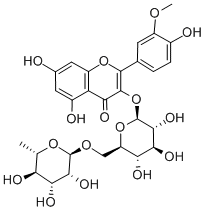
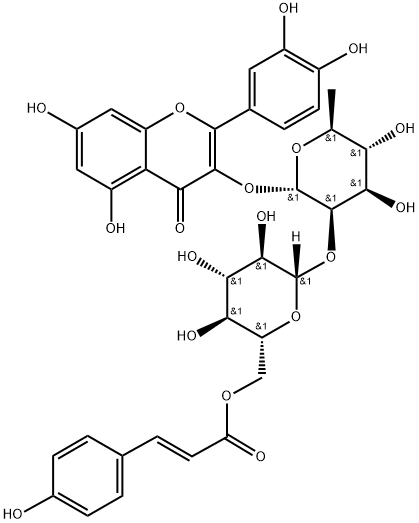
Yinxing Mihuan Oral Solution (YMOS) is extensively utilized in the clinical treatment of cardiovascular and cerebrovascular diseases (CCVDs), with flavonols and their glycosides identified as the primary active ingredients. Currently, there are relatively few established quantitative methods available for analyzing flavonols and their glycosides, and the research regarding their transformation patterns under simulated gastrointestinal conditions is still limited. In this study, network pharmacology was employed to predict the active compounds and targets of YMOS associated with cardiovascular and cerebrovascular protection. A comprehensive network integrating compounds, targets, bioactivities, and CCVDs was meticulously constructed for 10 flavonol glycosides and their aglycones. It revealed that these compounds exert their blood circulation-promoting and blood stasis-eliminating effects by modulating 20 key targets, highlighting their therapeutic potential in CCVDs treatment. Furthermore, we quantitatively analyzed the 10 targeted flavonols and their glycosides in YMOS using ultra-performance liquid chromatography (UPLC), demonstrating consistent flavonoid levels across all tested samples. This method was also employed to investigate biotransformation rules between flavonol glycosides and their aglycones in vitro. Notably, it was observed that flavonol glycosides undergo a deglycosylation reaction in the rat's intestinal microbial culture medium, which was witnessed in a relatively stable manner under the simulated artificial gastrointestinal fluid. These findings provide important scientific insights into the mechanism of action and the quality control of YMOS.
期刊介绍:
Journal of Analytical Methods in Chemistry publishes papers reporting methods and instrumentation for chemical analysis, and their application to real-world problems. Articles may be either practical or theoretical.
Subject areas include (but are by no means limited to):
Separation
Spectroscopy
Mass spectrometry
Chromatography
Analytical Sample Preparation
Electrochemical analysis
Hyphenated techniques
Data processing
As well as original research, Journal of Analytical Methods in Chemistry also publishes focused review articles that examine the state of the art, identify emerging trends, and suggest future directions for developing fields.



 求助内容:
 应助结果提醒方式:


 京公网安备 11010802042870号


