
A preliminary study on the antioxidant activity of Lycium ruthenicum polysaccharides in vitro/in vivo and its protective mechanism on oxidized damaged cells

IF 2.2 4区 农林科学 Q2 MATERIALS SCIENCE, PAPER & WOOD
Jianhui Li, Ruoyu Wu, Lie Liu, Yujiao Li, Lihua Ding, Hongping Li, Fei Yu
{"title":"A preliminary study on the antioxidant activity of Lycium ruthenicum polysaccharides in vitro/in vivo and its protective mechanism on oxidized damaged cells","authors":"Jianhui Li, Ruoyu Wu, Lie Liu, Yujiao Li, Lihua Ding, Hongping Li, Fei Yu","doi":"10.15376/biores.21.2.4720-4730","DOIUrl":null,"url":null,"abstract":"Lycium ruthenicum polysaccharides (LRP) are known to possess antioxidant effects. However, a systematic evaluation across chemical, cellular, and in vivo models have been lacking. The underlying metabolomic mechanisms also remain unexplored. This study systematically evaluated the antioxidant effects of LRP through in vitro assays, H₂O₂-induced AML12 hepatocytes, and liver tissue from mice, supplemented by untargeted metabolomic analysis of cell extracts to explore LRP’s antioxidant mechanisms. Results showed that LRP possessed significant oxygen radical absorbance capacity and potent scavenging activity against ABTS•+, DPPH•, and •OH radicals in vitro. In AML12 cells, LRP increased activities of antioxidant enzymes, including catalase (CAT), superoxide dismutase (SOD), and glutathione reductase (GSH-Px), while effectively reducing intracellular reactive oxygen species (ROS) and malondialdehyde (MDA) levels (P<0.05). In mouse liver tissues, LRP may have slightly improved SOD and CAT levels while decreasing MDA levels (P>0.05). Furthermore, untargeted metabolomics revealed that LRP attenuated oxidative damage by modulating metabolic pathways, particularly glutathione metabolism, the tricarboxylic acid (TCA) cycle, and amino acid metabolism. These findings confirm the significant antioxidant potential of LRP, supporting its promise as a functional food ingredient.","PeriodicalId":9172,"journal":{"name":"Bioresources","volume":"21 2","pages":"4720-4730"},"PeriodicalIF":2.2000,"publicationDate":"2026-01-01","publicationTypes":"Journal Article","fieldsOfStudy":null,"isOpenAccess":false,"openAccessPdf":"","citationCount":"0","resultStr":null,"platform":"Semanticscholar","paperid":null,"PeriodicalName":"Bioresources","FirstCategoryId":"0","ListUrlMain":"https://doi.org/10.15376/biores.21.2.4720-4730","RegionNum":4,"RegionCategory":"农林科学","ArticlePicture":[],"TitleCN":null,"AbstractTextCN":null,"PMCID":null,"EPubDate":"","PubModel":"","JCR":"Q2","JCRName":"MATERIALS SCIENCE, PAPER & WOOD","Score":null,"Total":0}
引用次数: 0

Abstract

Lycium ruthenicum polysaccharides (LRP) are known to possess antioxidant effects. However, a systematic evaluation across chemical, cellular, and in vivo models have been lacking. The underlying metabolomic mechanisms also remain unexplored. This study systematically evaluated the antioxidant effects of LRP through in vitro assays, H₂O₂-induced AML12 hepatocytes, and liver tissue from mice, supplemented by untargeted metabolomic analysis of cell extracts to explore LRP’s antioxidant mechanisms. Results showed that LRP possessed significant oxygen radical absorbance capacity and potent scavenging activity against ABTS•+, DPPH•, and •OH radicals in vitro. In AML12 cells, LRP increased activities of antioxidant enzymes, including catalase (CAT), superoxide dismutase (SOD), and glutathione reductase (GSH-Px), while effectively reducing intracellular reactive oxygen species (ROS) and malondialdehyde (MDA) levels (P<0.05). In mouse liver tissues, LRP may have slightly improved SOD and CAT levels while decreasing MDA levels (P>0.05). Furthermore, untargeted metabolomics revealed that LRP attenuated oxidative damage by modulating metabolic pathways, particularly glutathione metabolism, the tricarboxylic acid (TCA) cycle, and amino acid metabolism. These findings confirm the significant antioxidant potential of LRP, supporting its promise as a functional food ingredient.
枸杞多糖体外/体内抗氧化活性及其对氧化损伤细胞保护机制的初步研究
枸杞多糖(LRP)具有抗氧化作用。然而,缺乏跨化学,细胞和体内模型的系统评估。潜在的代谢组学机制也未被探索。本研究通过体外实验、H₂O₂诱导的AML12肝细胞和小鼠肝组织,辅以细胞提取物的非靶向代谢组学分析,系统地评估了LRP的抗氧化作用,探讨了LRP的抗氧化机制。结果表明,LRP在体外对ABTS•+、DPPH•和•OH自由基具有明显的吸氧能力和清除活性。在AML12细胞中,LRP提高过氧化氢酶(CAT)、超氧化物歧化酶(SOD)和谷胱甘肽还原酶(GSH-Px)等抗氧化酶的活性,同时有效降低细胞内活性氧(ROS)和丙二醛(MDA)水平(P<0.05)。在小鼠肝组织中,LRP可略微提高SOD和CAT水平,同时降低MDA水平(P>0.05)。此外,非靶向代谢组学研究显示,LRP通过调节代谢途径,特别是谷胱甘肽代谢、三羧酸(TCA)循环和氨基酸代谢,减轻氧化损伤。这些发现证实了LRP显著的抗氧化潜力,支持其作为功能性食品成分的承诺。
本文章由计算机程序翻译,如有差异,请以英文原文为准。
求助全文
约1分钟内获得全文 求助全文
来源期刊
Bioresources
Bioresources 工程技术-材料科学:纸与木材
CiteScore
2.90
自引率
13.30%
发文量
397
审稿时长
2.3 months
期刊介绍: The purpose of BioResources is to promote scientific discourse and to foster scientific developments related to sustainable manufacture involving lignocellulosic or woody biomass resources, including wood and agricultural residues. BioResources will focus on advances in science and technology. Emphasis will be placed on bioproducts, bioenergy, papermaking technology, wood products, new manufacturing materials, composite structures, and chemicals derived from lignocellulosic biomass.
文献相关原料
原料信息
原料厂家
1
Beijing Biomarker Technologies Co., Ltd
2
Lycium ruthenicum Murray
3
C57BL/6 mice
4
CAT assay kit
5
GSH-Px assay kit
6
MDA assay kit
7
ROS assay kit
8
SOD assay kit
9
AML12 cells
10
Ascorbic acid
12
22
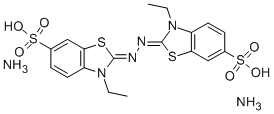
ABTS
30931-67-0
¥30.00-¥14741.00
×
引用
GB/T 7714-2015
复制
MLA
复制
APA
复制
导出至
BibTeX EndNote RefMan NoteFirst NoteExpress
×
提示
您的信息不完整,为了账户安全,请先补充。
现在去补充
×
提示
您因"违规操作"
具体请查看互助需知
我知道了
×
提示
确定
请完成安全验证×
copy
已复制链接
快去分享给好友吧!
我知道了
右上角分享
点击右上角分享
0
联系我们:info@booksci.cn Book学术提供免费学术资源搜索服务,方便国内外学者检索中英文文献。致力于提供最便捷和优质的服务体验。 Copyright © 2023 布克学术 All rights reserved.
京ICP备2023020795号-1
ghs 京公网安备 11010802042870号
Book学术文献互助
Book学术文献互助群
群 号:604180095
Book学术官方微信
小红书



