Owen T Carmichael, Puja Agarwal, Benedict C Albensi, Vyshnavy Balendra, Nathan M D'Cunha, Diandra N Denier-Fields, Naomi Vidal Ferreira, Natalia Gomes Gonçalves, Rashi Kumar, Corinne Labyak, Susanna Lopez, Mychael V Lourenco, Ilianna Lourida, Rishav Nag, Zuzana Nedelska, Juliet Nnenda Olayinka, Jung Hyun Park, Kayalvizhi Rajendran, Ashley Shaw, Hom Lal Shrestha, Aaron N Smith, Natalia Soldevila-Domenech, Débora G Souza, Claudia Kimie Suemoto, Jodi R Titiner, Rafael de la Torre, Debora Melo van Lent
{"title":"Ultraprocessed Foods and the Aging Brain: State of the Science.","authors":"Owen T Carmichael, Puja Agarwal, Benedict C Albensi, Vyshnavy Balendra, Nathan M D'Cunha, Diandra N Denier-Fields, Naomi Vidal Ferreira, Natalia Gomes Gonçalves, Rashi Kumar, Corinne Labyak, Susanna Lopez, Mychael V Lourenco, Ilianna Lourida, Rishav Nag, Zuzana Nedelska, Juliet Nnenda Olayinka, Jung Hyun Park, Kayalvizhi Rajendran, Ashley Shaw, Hom Lal Shrestha, Aaron N Smith, Natalia Soldevila-Domenech, Débora G Souza, Claudia Kimie Suemoto, Jodi R Titiner, Rafael de la Torre, Debora Melo van Lent","doi":"10.1146/annurev-nutr-061824-053453","DOIUrl":null,"url":null,"abstract":"<p><p>Ultraprocessed foods (UPFs), which feature reductions in naturally occurring food components (fiber, phytochemicals) as well as the addition of fat, sugar, salt, and artificial food components (colorings, preservatives) are consumed in large quantities globally. Although a growing body of research has suggested that higher levels of UPF consumption are associated with poorer cardiometabolic outcomes, literature synthesizing the evidence that UPF consumption has negative effects on the aging brain has been scarce. This review provides a comprehensive view of the evidence connecting UPF consumption to downstream consequences for the brain in aging, including proposed mechanisms of action, evidence supporting those mechanisms from basic science studies, and clinical evidence. We then survey current challenges and opportunities in the study of brain aging effects of UPF consumption and provide recommendations for researchers and policymakers.</p>","PeriodicalId":8009,"journal":{"name":"Annual review of nutrition","volume":" ","pages":"533-561"},"PeriodicalIF":13.3000,"publicationDate":"2026-08-01","publicationTypes":"Journal Article","fieldsOfStudy":null,"isOpenAccess":false,"openAccessPdf":"","citationCount":"0","resultStr":null,"platform":"Semanticscholar","paperid":null,"PeriodicalName":"Annual review of nutrition","FirstCategoryId":"3","ListUrlMain":"https://doi.org/10.1146/annurev-nutr-061824-053453","RegionNum":2,"RegionCategory":"医学","ArticlePicture":[],"TitleCN":null,"AbstractTextCN":null,"PMCID":null,"EPubDate":"2026/5/15 0:00:00","PubModel":"Epub","JCR":"Q1","JCRName":"NUTRITION & DIETETICS","Score":null,"Total":0}
引用次数: 0
Abstract
Ultraprocessed foods (UPFs), which feature reductions in naturally occurring food components (fiber, phytochemicals) as well as the addition of fat, sugar, salt, and artificial food components (colorings, preservatives) are consumed in large quantities globally. Although a growing body of research has suggested that higher levels of UPF consumption are associated with poorer cardiometabolic outcomes, literature synthesizing the evidence that UPF consumption has negative effects on the aging brain has been scarce. This review provides a comprehensive view of the evidence connecting UPF consumption to downstream consequences for the brain in aging, including proposed mechanisms of action, evidence supporting those mechanisms from basic science studies, and clinical evidence. We then survey current challenges and opportunities in the study of brain aging effects of UPF consumption and provide recommendations for researchers and policymakers.
期刊介绍:
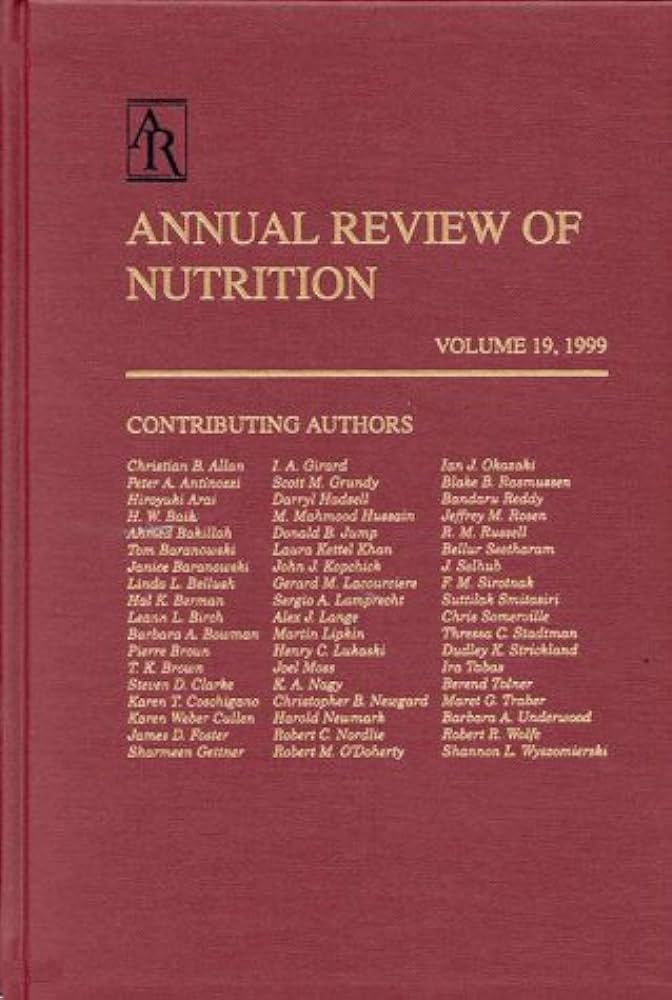
Annual Review of Nutrition
Publication History:In publication since 1981
Scope:Covers significant developments in the field of nutrition
Topics Covered Include:
Energy metabolism;
Carbohydrates;
Lipids;
Proteins and amino acids;
Vitamins;
Minerals;
Nutrient transport and function;
Metabolic regulation;
Nutritional genomics;
Molecular and cell biology;
Clinical nutrition;
Comparative nutrition;
Nutritional anthropology;
Nutritional toxicology;
Nutritional microbiology;
Epidemiology;
Public health nutrition

 求助内容:
 应助结果提醒方式:


 京公网安备 11010802042870号


