Yifang Zhang, Xiangyang Wang, Miao Qiao, Yu Liu, Tianlei Liu, Shuang Fu, Yang Chu, Genbei Wang, Xiaohui Ma
{"title":"UPLC-MS/MS-Based Cellular Pharmacokinetics of Four Active Components of Total Glucosides of Picrorhizae Rhizome and Target Validation for ACLY.","authors":"Yifang Zhang, Xiangyang Wang, Miao Qiao, Yu Liu, Tianlei Liu, Shuang Fu, Yang Chu, Genbei Wang, Xiaohui Ma","doi":"10.1002/bmc.70489","DOIUrl":null,"url":null,"abstract":"<p><p>Total glucosides of picrorhizae rhizome (TGPR) are a promising candidate drug for treating non-alcoholic steatohepatitis (NASH). To clarify the material basis underlying its efficacy, it is crucial to characterize the cellular pharmacokinetics of TGPR. A highly sensitive ultra-performance liquid chromatography-tandem mass spectrometry (UPLC-MS/MS) method was established in this study for the simultaneous quantification of picroside I, II, III, and IV from TGPR in HepG2 cells and their subcellular fractions (nucleus, mitochondria, cytoplasm). Additionally, molecular docking and cellular thermal shift assay (CETSA) were employed to investigate the binding of TGPR to ATP-citrate lyase (ACLY). The results showed that the analytical method was fully validated and within acceptable limits. All four TGPR components could enter HepG2 cells, reaching peak time at approximately 1.5 h, with picroside II exhibiting the highest exposure levels. In the nucleus and cytoplasm, picroside I and II exhibited relatively high affinity and did not reach saturation within 24 h. CETSA and molecular docking confirmed that TGPR directly bound to ACLY to enhance its thermal stability. In conclusion, this study first reveals the cellular pharmacokinetic characteristics of TGPR in HepG2 cells and identifies ACLY as its direct target, providing scientific evidence for further exploring the potential targets and mechanisms of TGPR.</p>","PeriodicalId":8861,"journal":{"name":"Biomedical Chromatography","volume":"40 7","pages":"e70489"},"PeriodicalIF":1.7000,"publicationDate":"2026-07-01","publicationTypes":"Journal Article","fieldsOfStudy":null,"isOpenAccess":false,"openAccessPdf":"","citationCount":"0","resultStr":null,"platform":"Semanticscholar","paperid":null,"PeriodicalName":"Biomedical Chromatography","FirstCategoryId":"3","ListUrlMain":"https://doi.org/10.1002/bmc.70489","RegionNum":4,"RegionCategory":"医学","ArticlePicture":[],"TitleCN":null,"AbstractTextCN":null,"PMCID":null,"EPubDate":"","PubModel":"","JCR":"Q4","JCRName":"BIOCHEMICAL RESEARCH METHODS","Score":null,"Total":0}
引用次数: 0
Abstract
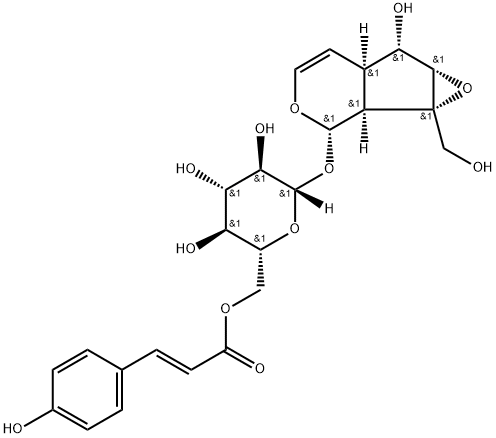
Total glucosides of picrorhizae rhizome (TGPR) are a promising candidate drug for treating non-alcoholic steatohepatitis (NASH). To clarify the material basis underlying its efficacy, it is crucial to characterize the cellular pharmacokinetics of TGPR. A highly sensitive ultra-performance liquid chromatography-tandem mass spectrometry (UPLC-MS/MS) method was established in this study for the simultaneous quantification of picroside I, II, III, and IV from TGPR in HepG2 cells and their subcellular fractions (nucleus, mitochondria, cytoplasm). Additionally, molecular docking and cellular thermal shift assay (CETSA) were employed to investigate the binding of TGPR to ATP-citrate lyase (ACLY). The results showed that the analytical method was fully validated and within acceptable limits. All four TGPR components could enter HepG2 cells, reaching peak time at approximately 1.5 h, with picroside II exhibiting the highest exposure levels. In the nucleus and cytoplasm, picroside I and II exhibited relatively high affinity and did not reach saturation within 24 h. CETSA and molecular docking confirmed that TGPR directly bound to ACLY to enhance its thermal stability. In conclusion, this study first reveals the cellular pharmacokinetic characteristics of TGPR in HepG2 cells and identifies ACLY as its direct target, providing scientific evidence for further exploring the potential targets and mechanisms of TGPR.
期刊介绍:
Biomedical Chromatography is devoted to the publication of original papers on the applications of chromatography and allied techniques in the biological and medical sciences. Research papers and review articles cover the methods and techniques relevant to the separation, identification and determination of substances in biochemistry, biotechnology, molecular biology, cell biology, clinical chemistry, pharmacology and related disciplines. These include the analysis of body fluids, cells and tissues, purification of biologically important compounds, pharmaco-kinetics and sequencing methods using HPLC, GC, HPLC-MS, TLC, paper chromatography, affinity chromatography, gel filtration, electrophoresis and related techniques.

 求助内容:
 应助结果提醒方式:


 京公网安备 11010802042870号


