Fungal Diversity, Pathogenic Characteristics and Fungicide Sensitivity of Pathogens Isolated from Areca catechu L. Diseases in Hainan Island

IF 4.1 2区 农林科学 Q1 AGRONOMY
Wending Zeng, Xiongkui He, Xuxiang Peng, Ziyue Yu, Jingping Li, Linhui Wang
{"title":"Fungal Diversity, Pathogenic Characteristics and Fungicide Sensitivity of Pathogens Isolated from Areca catechu L. Diseases in Hainan Island","authors":"Wending Zeng, Xiongkui He, Xuxiang Peng, Ziyue Yu, Jingping Li, Linhui Wang","doi":"10.3390/agronomy16060671","DOIUrl":null,"url":null,"abstract":"This study systematically identified the pathogenic fungi affecting Areca catechu in Hainan. Using diseased tissues from five regions, isolates were obtained using molecular methods, and their pathogenicity was confirmed using Koch’s postulates. We obtained 44 distinct fungal isolates from 9 genera. Fusarium (27.27%) and Colletotrichum (38.12%) were the dominant genera across all tissues. Twenty isolates were confirmed as pathogens. Key findings include the first report of Alternaria angustiovoidea and A. pogostemonis as areca leaf spot pathogens in China and the first confirmation of pathogenicity for three Fusarium species complexes (FSSC, FFSC, FIESC). Five Fusarium species are newly reported as pathogens in China. Cladosporium tenuissimum and Plectosphaerella cucumerina were confirmed for the first time to cause leaf spot. Fusarium, Colletotrichum, and Alternaria were core pathogens, all exhibiting high polygalacturonase and cellulase activity. The FFSC and Colletotrichum gloeosporioides species complex (CGSC) showed broad-spectrum pathogenicity on tropical fruits. Fungicide sensitivity assays ranked efficacy as prochloraz > difenoconazole > tebuconazole > ethylicin > pyraclostrobin, with genus-specific responses observed. This research fills a systematic knowledge gap on areca fungal diseases in China, providing a crucial basis for precise control strategies and integrated management.","PeriodicalId":56066,"journal":{"name":"Agronomy-Basel","volume":"16 6","pages":"671-671"},"PeriodicalIF":4.1000,"publicationDate":"2026-03-23","publicationTypes":"Journal Article","fieldsOfStudy":null,"isOpenAccess":false,"openAccessPdf":"","citationCount":"0","resultStr":null,"platform":"Semanticscholar","paperid":null,"PeriodicalName":"Agronomy-Basel","FirstCategoryId":"0","ListUrlMain":"https://doi.org/10.3390/agronomy16060671","RegionNum":2,"RegionCategory":"农林科学","ArticlePicture":[],"TitleCN":null,"AbstractTextCN":null,"PMCID":null,"EPubDate":"","PubModel":"","JCR":"Q1","JCRName":"AGRONOMY","Score":null,"Total":0}
引用次数: 0

Abstract

This study systematically identified the pathogenic fungi affecting Areca catechu in Hainan. Using diseased tissues from five regions, isolates were obtained using molecular methods, and their pathogenicity was confirmed using Koch’s postulates. We obtained 44 distinct fungal isolates from 9 genera. Fusarium (27.27%) and Colletotrichum (38.12%) were the dominant genera across all tissues. Twenty isolates were confirmed as pathogens. Key findings include the first report of Alternaria angustiovoidea and A. pogostemonis as areca leaf spot pathogens in China and the first confirmation of pathogenicity for three Fusarium species complexes (FSSC, FFSC, FIESC). Five Fusarium species are newly reported as pathogens in China. Cladosporium tenuissimum and Plectosphaerella cucumerina were confirmed for the first time to cause leaf spot. Fusarium, Colletotrichum, and Alternaria were core pathogens, all exhibiting high polygalacturonase and cellulase activity. The FFSC and Colletotrichum gloeosporioides species complex (CGSC) showed broad-spectrum pathogenicity on tropical fruits. Fungicide sensitivity assays ranked efficacy as prochloraz > difenoconazole > tebuconazole > ethylicin > pyraclostrobin, with genus-specific responses observed. This research fills a systematic knowledge gap on areca fungal diseases in China, providing a crucial basis for precise control strategies and integrated management.
海南岛槟榔病病原菌的真菌多样性、致病特性及杀菌剂敏感性
对海南槟榔的病原菌进行了系统鉴定。利用5个地区的病变组织,利用分子方法获得分离株,并利用科赫假设证实其致病性。我们从9属中分离出44株不同的真菌。各组织中镰刀菌属(27.27%)和炭疽菌属(38.12%)为优势属。20株分离株被确认为致病菌。主要发现包括国内首次报道了尖孢镰刀菌(Alternaria angustiovoidea)和A. pogostemonis为area叶斑病病原菌,并首次确认了3个镰刀菌种复合物(FSSC、FFSC、FIESC)的致病性。中国新报道了5种镰刀菌。首次证实了黄瓜枝孢菌和藤枝孢菌是引起叶斑病的病原菌。镰刀菌、炭疽菌和Alternaria是核心病原体,它们都具有较高的聚半乳糖醛酸酶和纤维素酶活性。FFSC和gloeosporioides物种复合体(CGSC)对热带水果具有广谱致病性。杀菌剂敏感性测试结果显示,药效为丙氯唑、异丙康唑、戊唑唑、乙基苷、吡唑啉酯,并观察到属特异性反应。本研究填补了中国槟榔真菌病害的系统知识空白,为制定精准控制策略和综合管理提供了重要依据。
本文章由计算机程序翻译,如有差异,请以英文原文为准。
求助全文
约1分钟内获得全文 求助全文
来源期刊
Agronomy-Basel
Agronomy-Basel Agricultural and Biological Sciences-Agronomy and Crop Science
CiteScore
6.20
自引率
13.50%
发文量
2665
审稿时长
20.32 days
期刊介绍: Agronomy (ISSN 2073-4395) is an international and cross-disciplinary scholarly journal on agronomy and agroecology. It publishes reviews, regular research papers, communications and short notes, and there is no restriction on the length of the papers. Our aim is to encourage scientists to publish their experimental and theoretical research in as much detail as possible. Full experimental and/or methodical details must be provided for research articles.
文献相关原料
原料信息
原料厂家
1
Plant Genomic DNA Extraction Kit
3
ethylicin
5
22
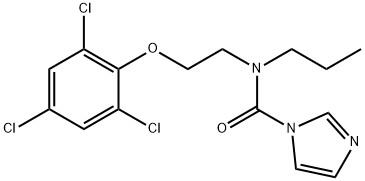
prochloraz
67747-09-5
¥29.90-¥6986.00
6
22
tebuconazole
107534-96-3
¥30.00-¥15000.00
7
22
pyraclostrobin
175013-18-0
¥29.90-¥17000.00
8
22
difenoconazole
119446-68-3
¥50.00-¥6500.00
9
22
D-galacturonic acid
685-73-4
¥140.00-¥5234.00
×
引用
GB/T 7714-2015
复制
MLA
复制
APA
复制
导出至
BibTeX EndNote RefMan NoteFirst NoteExpress
×
提示
您的信息不完整,为了账户安全,请先补充。
现在去补充
×
提示
您因"违规操作"
具体请查看互助需知
我知道了
×
提示
确定
请完成安全验证×
copy
已复制链接
快去分享给好友吧!
我知道了
右上角分享
点击右上角分享
0
联系我们:info@booksci.cn Book学术提供免费学术资源搜索服务,方便国内外学者检索中英文文献。致力于提供最便捷和优质的服务体验。 Copyright © 2023 布克学术 All rights reserved.
京ICP备2023020795号-1
ghs 京公网安备 11010802042870号
Book学术文献互助
Book学术文献互助群
群 号:604180095
Book学术官方微信
小红书