William Pereira Alves, Vivian Jordania da Silva, Élida Mara Leite Rabelo, Luis Fernando Viana Furtado
{"title":"Immune and Iron Metabolism Responses During the Acute Phase of Experimental Hookworm Infection in the Ancylostoma ceylanicum-Hamster Model","authors":"William Pereira Alves, Vivian Jordania da Silva, Élida Mara Leite Rabelo, Luis Fernando Viana Furtado","doi":"10.1007/s11686-026-01267-4","DOIUrl":null,"url":null,"abstract":"<div><p>Hookworm infections continue to impose a substantial burden on human and animal health, but the early host responses that influence parasite establishment are not fully characterized. Experimental models that reproduce key features of hookworm biology and host-parasite interactions remain essential for advancing translational research. In this study, we examined hematological, biochemical, immunological, and parasitological parameters during the acute phase of experimental hookworm infection using the <i>Ancylostoma ceylanicum</i>-<i>Mesocricetus auratus</i> model, a small-animal system widely employed for mechanistic studies of hookworm infection. Animals were evaluated at 7 and 20 days post-infection. Hematological indices and serum iron concentrations did not differ between infected and control groups during the acute phase. In contrast, infected animals showed increased splenic mass at 20 days post-infection, indicating immunological activation. Hepatic hepcidin expression was markedly reduced, suggesting an early alteration in systemic iron regulation. Analysis of inflammatory mediators revealed selective modulation of cytokine expression, with reduced interleukin-6 transcript levels at 20 days post-infection, whereas tumor necrosis factor alpha expression remained unchanged. Parasitological analyses demonstrated progressive parasite establishment, with fecal egg output detected from 14 days post-infection and reaching approximately 300 eggs per gram by day 18, consistent with the onset of patency. Taken together, these data indicate that acute hookworm infection induces coordinated changes in immune responses and iron metabolism before the development of overt hematological alterations.</p></div>","PeriodicalId":6932,"journal":{"name":"Acta Parasitologica","volume":"71 3","pages":""},"PeriodicalIF":1.5000,"publicationDate":"2026-05-04","publicationTypes":"Journal Article","fieldsOfStudy":null,"isOpenAccess":false,"openAccessPdf":"https://link.springer.com/content/pdf/10.1007/s11686-026-01267-4.pdf","citationCount":"0","resultStr":null,"platform":"Semanticscholar","paperid":null,"PeriodicalName":"Acta Parasitologica","FirstCategoryId":"3","ListUrlMain":"https://link.springer.com/article/10.1007/s11686-026-01267-4","RegionNum":3,"RegionCategory":"农林科学","ArticlePicture":[],"TitleCN":null,"AbstractTextCN":null,"PMCID":null,"EPubDate":"","PubModel":"","JCR":"Q4","JCRName":"PARASITOLOGY","Score":null,"Total":0}
引用次数: 0
Abstract
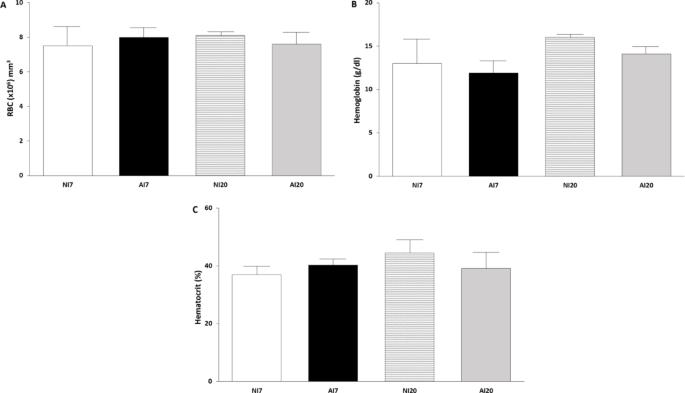
Hookworm infections continue to impose a substantial burden on human and animal health, but the early host responses that influence parasite establishment are not fully characterized. Experimental models that reproduce key features of hookworm biology and host-parasite interactions remain essential for advancing translational research. In this study, we examined hematological, biochemical, immunological, and parasitological parameters during the acute phase of experimental hookworm infection using the Ancylostoma ceylanicum-Mesocricetus auratus model, a small-animal system widely employed for mechanistic studies of hookworm infection. Animals were evaluated at 7 and 20 days post-infection. Hematological indices and serum iron concentrations did not differ between infected and control groups during the acute phase. In contrast, infected animals showed increased splenic mass at 20 days post-infection, indicating immunological activation. Hepatic hepcidin expression was markedly reduced, suggesting an early alteration in systemic iron regulation. Analysis of inflammatory mediators revealed selective modulation of cytokine expression, with reduced interleukin-6 transcript levels at 20 days post-infection, whereas tumor necrosis factor alpha expression remained unchanged. Parasitological analyses demonstrated progressive parasite establishment, with fecal egg output detected from 14 days post-infection and reaching approximately 300 eggs per gram by day 18, consistent with the onset of patency. Taken together, these data indicate that acute hookworm infection induces coordinated changes in immune responses and iron metabolism before the development of overt hematological alterations.
期刊介绍:
Acta Parasitologica is an international journal covering the latest advances in the subject.
Acta Parasitologica publishes original papers on all aspects of parasitology and host-parasite relationships, including the latest discoveries in biochemical and molecular biology of parasites, their physiology, morphology, taxonomy and ecology, as well as original research papers on immunology, pathology, and epidemiology of parasitic diseases in the context of medical, veterinary and biological sciences. The journal also publishes short research notes, invited review articles, book reviews.
The journal was founded in 1953 as "Acta Parasitologica Polonica" by the Polish Parasitological Society and since 1954 has been published by W. Stefanski Institute of Parasitology of the Polish Academy of Sciences in Warsaw. Since 1992 in has appeared as Acta Parasitologica in four issues per year.

 求助内容:
求助内容: 应助结果提醒方式:

 京公网安备 11010802042870号


