N. A. Samovarova, G. V. Lyamina, A. E. Ilela, A. M. Evgrafov
{"title":"On the Green Synthesis of Zinc Oxide Nanoparticles with Siberian Hogweed (Heracleum sibiricum) Extract","authors":"N. A. Samovarova, G. V. Lyamina, A. E. Ilela, A. M. Evgrafov","doi":"10.1134/S2635167625602104","DOIUrl":null,"url":null,"abstract":"<p>Zinc oxide nanoparticles are synthesized from solutions of hydroxide suspensions with the addition of Siberian hogweed (<i>Heraculum sibiricum</i>) extracts in ethanol and dilute hydrochloric acid solutions. The separation of the powders from the suspensions is carried out using two methods: filtration and nanospray drying (Nano-Spray Dryer B-90). The results of X-ray phase analysis show that, after heat treatment at 350°C, the particle composition is mainly represented by the ZnO phase. Based on data from electron microscopy and laser diffraction, we find that the extracts have a significant effect on the morphology of the powder particles obtained through filtration, compared to those obtained through nanospray drying. The synthesis process produces easily dispersible aggregates composed of plate-shaped particles with an average size ranging from 200 to 270 nm and a thickness of less than 5 nm.</p>","PeriodicalId":716,"journal":{"name":"Nanotechnologies in Russia","volume":"20 1","pages":"S107 - S113"},"PeriodicalIF":0.8000,"publicationDate":"2026-04-03","publicationTypes":"Journal Article","fieldsOfStudy":null,"isOpenAccess":false,"openAccessPdf":"","citationCount":"0","resultStr":null,"platform":"Semanticscholar","paperid":null,"PeriodicalName":"Nanotechnologies in Russia","FirstCategoryId":"1085","ListUrlMain":"https://link.springer.com/article/10.1134/S2635167625602104","RegionNum":0,"RegionCategory":null,"ArticlePicture":[],"TitleCN":null,"AbstractTextCN":null,"PMCID":null,"EPubDate":"","PubModel":"","JCR":"Q3","JCRName":"Engineering","Score":null,"Total":0}
引用次数: 0
Abstract
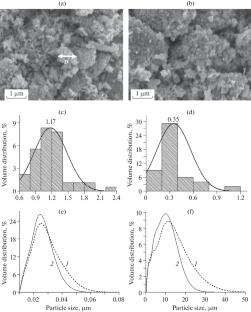
Zinc oxide nanoparticles are synthesized from solutions of hydroxide suspensions with the addition of Siberian hogweed (Heraculum sibiricum) extracts in ethanol and dilute hydrochloric acid solutions. The separation of the powders from the suspensions is carried out using two methods: filtration and nanospray drying (Nano-Spray Dryer B-90). The results of X-ray phase analysis show that, after heat treatment at 350°C, the particle composition is mainly represented by the ZnO phase. Based on data from electron microscopy and laser diffraction, we find that the extracts have a significant effect on the morphology of the powder particles obtained through filtration, compared to those obtained through nanospray drying. The synthesis process produces easily dispersible aggregates composed of plate-shaped particles with an average size ranging from 200 to 270 nm and a thickness of less than 5 nm.
期刊介绍:
Nanobiotechnology Reports publishes interdisciplinary research articles on fundamental aspects of the structure and properties of nanoscale objects and nanomaterials, polymeric and bioorganic molecules, and supramolecular and biohybrid complexes, as well as articles that discuss technologies for their preparation and processing, and practical implementation of products, devices, and nature-like systems based on them. The journal publishes original articles and reviews that meet the highest scientific quality standards in the following areas of science and technology studies: self-organizing structures and nanoassemblies; nanostructures, including nanotubes; functional and structural nanomaterials; polymeric, bioorganic, and hybrid nanomaterials; devices and products based on nanomaterials and nanotechnology; nanobiology and genetics, and omics technologies; nanobiomedicine and nanopharmaceutics; nanoelectronics and neuromorphic computing systems; neurocognitive systems and technologies; nanophotonics; natural science methods in a study of cultural heritage items; metrology, standardization, and monitoring in nanotechnology.

 求助内容:
求助内容: 应助结果提醒方式:

 京公网安备 11010802042870号


