Yi Yu, Zhennan Wang, Chentong Pan, Keyao Zhu, Liying Xu
{"title":"A novel mechanism for treating acute lung injury with ligustilide: elucidation via network pharmacology and in vitro validation","authors":"Yi Yu, Zhennan Wang, Chentong Pan, Keyao Zhu, Liying Xu","doi":"10.1007/s11418-026-02011-y","DOIUrl":null,"url":null,"abstract":"<div><p>Ligustilide inhibits the release of multiple inflammatory factors and alleviates acute lung injury (ALI), although its underlying mechanisms require further investigation. This study combined network pharmacology and in vitro experiments to systematically elucidate the therapeutic mechanism of ligustilide against lipopolysaccharide (LPS)-induced ALI. Potential targets of ligustilide and ALI-related genes were screened from public databases, identifying 227 overlapping targets. Protein-protein interaction (PPI) network analysis revealed PIK3R1 as core targets. KEGG pathway enrichment analysis highlighted the PI3K/Akt/mTOR signaling axis as one of the most significantly enriched pathway (<i>P</i> < 0.001). Molecular docking confirmed a strong binding affinity between ligustilide and the PIK3R1 protein. In vitro, LPS exposure (10 µg/ml, 48 h) suppressed autophagy in HPAEpiCs, evidenced by reduced Beclin-1 and LC3 protein levels and a decrease in autophagic vesicles, while concurrently activating the PI3K/Akt/mTOR signaling pathway (<i>P</i> < 0.01) and elevating the levels of IL-17 A, IL-6, and TNF-α. Treatment with ligustilide (25 µg/ml) significantly reversed these effects by modulating autophagy-related markers and suppressing the release of these inflammatory cytokines (<i>P</i> < 0.05). Furthermore, co-treatment with anti-IL-17 A neutralizing antibodies amplified these protective effects through enhanced inhibition of the PI3K/Akt/mTOR pathway (<i>P</i> < 0.01). These findings suggest that ligustilide alleviates ALI by modulating autophagy-related markers and inhibiting inflammatory responses via the IL-17 A-mediated PI3K/Akt/mTOR signaling pathway. The integration of network pharmacology with experimental validation provides a robust mechanistic framework for understanding ligustilide’s therapeutic potential against ALI.</p><h3>Graphical abstract</h3><div><figure><div><div><picture><source><img></source></picture><span>The alternative text for this image may have been generated using AI.</span></div></div></figure></div></div>","PeriodicalId":654,"journal":{"name":"Journal of Natural Medicines","volume":"80 3","pages":"639 - 656"},"PeriodicalIF":2.6000,"publicationDate":"2026-03-21","publicationTypes":"Journal Article","fieldsOfStudy":null,"isOpenAccess":false,"openAccessPdf":"https://link.springer.com/content/pdf/10.1007/s11418-026-02011-y.pdf","citationCount":"0","resultStr":null,"platform":"Semanticscholar","paperid":null,"PeriodicalName":"Journal of Natural Medicines","FirstCategoryId":"3","ListUrlMain":"https://link.springer.com/article/10.1007/s11418-026-02011-y","RegionNum":4,"RegionCategory":"医学","ArticlePicture":[],"TitleCN":null,"AbstractTextCN":null,"PMCID":null,"EPubDate":"","PubModel":"","JCR":"Q3","JCRName":"CHEMISTRY, MEDICINAL","Score":null,"Total":0}
引用次数: 0
Abstract
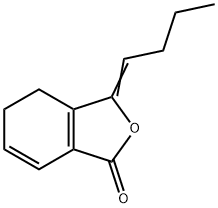
Ligustilide inhibits the release of multiple inflammatory factors and alleviates acute lung injury (ALI), although its underlying mechanisms require further investigation. This study combined network pharmacology and in vitro experiments to systematically elucidate the therapeutic mechanism of ligustilide against lipopolysaccharide (LPS)-induced ALI. Potential targets of ligustilide and ALI-related genes were screened from public databases, identifying 227 overlapping targets. Protein-protein interaction (PPI) network analysis revealed PIK3R1 as core targets. KEGG pathway enrichment analysis highlighted the PI3K/Akt/mTOR signaling axis as one of the most significantly enriched pathway (P < 0.001). Molecular docking confirmed a strong binding affinity between ligustilide and the PIK3R1 protein. In vitro, LPS exposure (10 µg/ml, 48 h) suppressed autophagy in HPAEpiCs, evidenced by reduced Beclin-1 and LC3 protein levels and a decrease in autophagic vesicles, while concurrently activating the PI3K/Akt/mTOR signaling pathway (P < 0.01) and elevating the levels of IL-17 A, IL-6, and TNF-α. Treatment with ligustilide (25 µg/ml) significantly reversed these effects by modulating autophagy-related markers and suppressing the release of these inflammatory cytokines (P < 0.05). Furthermore, co-treatment with anti-IL-17 A neutralizing antibodies amplified these protective effects through enhanced inhibition of the PI3K/Akt/mTOR pathway (P < 0.01). These findings suggest that ligustilide alleviates ALI by modulating autophagy-related markers and inhibiting inflammatory responses via the IL-17 A-mediated PI3K/Akt/mTOR signaling pathway. The integration of network pharmacology with experimental validation provides a robust mechanistic framework for understanding ligustilide’s therapeutic potential against ALI.
Graphical abstract
The alternative text for this image may have been generated using AI.
期刊介绍:
The Journal of Natural Medicines is an international journal publishing original research in naturally occurring medicines and their related foods and cosmetics. It covers:
-chemistry of natural products
-biochemistry of medicinal plants
-pharmacology of natural products and herbs, including Kampo formulas and traditional herbs
-botanical anatomy
-cultivation of medicinal plants.
The journal accepts Original Papers, Notes, Rapid Communications and Natural Resource Letters. Reviews and Mini-Reviews are generally invited.


 求助内容:
 应助结果提醒方式:


 京公网安备 11010802042870号


