
Biomass-derived multi-emissive carbon dots-based ratiometric fluorescence and visual detection of residual chlortetracycline hydrochloride and hemin chloride in food matrix
IF 5.2
2区 化学
Q1 CHEMISTRY, ANALYTICAL
引用次数: 0
Abstract
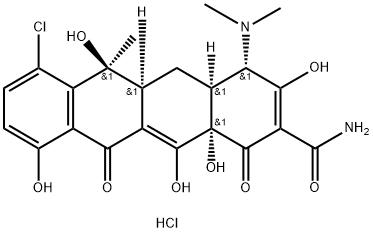
Multi-emissive red fluorescence carbon dots (R-CDs) were synthesized using Stellaria pallida and urea precursors through a solvothermal method, based on which a ratiometric fluorescent sensor was constructed and integrated into a portable dual-mode sensing platform for determining the residual levels of Chlortetracycline Hydrochloride (CTC) and Hemin Chloride (Hemin) in food products. The ratiometric fluorescent sensor achieved limits of detection (LODs) were 13.00 × 10⁻³ μM for CTC and 0.74 × 10⁻³ μM for Hemin, while the visual detection platform provided LODs of 1.50 × 10⁻³ μM and 0.53 × 10⁻³ μM, respectively. The relative standard deviation of the spike recovery tests ranged from 0.69% to 1.12%. This work presents a green, low-cost, and highly sensitive dual-analyte sensing strategy combined with a visual readout, offering a reliable platform for on-site food safety monitoring.

基于生物质多发射碳点的比例荧光和视觉检测食品基质中盐酸氯四环素和氯化血红素的残留
以白参和尿素为原料,采用溶剂热法合成了多发射红色荧光碳点(R-CDs),并在此基础上构建了比例荧光传感器,并将其集成到便携式双模传感平台中,用于检测食品中盐酸氯四环素(CTC)和氯化血红素(Hemin)的残留量。比例荧光传感器对CTC的检出限为13.00 × 10⁻³ μM,对Hemin的检出限为0.74 × 10⁻³ μM,视觉检测平台的检出限分别为1.50 × 10⁻³ μM和0.53 × 10⁻³ μM。该方法的相对标准偏差范围为0.69% ~ 1.12%。本研究提出了一种绿色、低成本、高灵敏度的双分析物传感策略,并结合了视觉读数,为现场食品安全监测提供了可靠的平台。
本文章由计算机程序翻译,如有差异,请以英文原文为准。
求助全文
约1分钟内获得全文
求助全文
来源期刊
Microchemical Journal
化学-分析化学
CiteScore
8.70
自引率
8.30%
发文量
1131
审稿时长
1.9 months
期刊介绍:
The Microchemical Journal is a peer reviewed journal devoted to all aspects and phases of analytical chemistry and chemical analysis. The Microchemical Journal publishes articles which are at the forefront of modern analytical chemistry and cover innovations in the techniques to the finest possible limits. This includes fundamental aspects, instrumentation, new developments, innovative and novel methods and applications including environmental and clinical field.
Traditional classical analytical methods such as spectrophotometry and titrimetry as well as established instrumentation methods such as flame and graphite furnace atomic absorption spectrometry, gas chromatography, and modified glassy or carbon electrode electrochemical methods will be considered, provided they show significant improvements and novelty compared to the established methods.
文献相关原料
原料信息
原料厂家








 求助内容:
 应助结果提醒方式:


 京公网安备 11010802042870号


