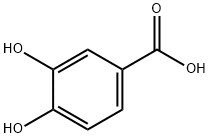
Secondary metabolite of anthocyanin (Protocatechuic acid) mitigates 2-amino-3-methylimidazole [4, 5-F] quinoline-induced hepatotoxicity via AHR/CYP1A2 axis in vitro and in vivo

IF 10.6 Q1 FOOD SCIENCE & TECHNOLOGY
Hongting Deng, Lei Chen, Jiang Liu, Shuxian Bai, Yanan Zhao, Hui Teng
{"title":"Secondary metabolite of anthocyanin (Protocatechuic acid) mitigates 2-amino-3-methylimidazole [4, 5-F] quinoline-induced hepatotoxicity via AHR/CYP1A2 axis in vitro and in vivo","authors":"Hongting Deng, Lei Chen, Jiang Liu, Shuxian Bai, Yanan Zhao, Hui Teng","doi":"10.1016/j.jfutfo.2026.01.035","DOIUrl":null,"url":null,"abstract":"• PCA mitigates IQ-induced oxidative stress and inflammation by inhibiting the NLRP3 inflammasome and NF-κB/MAPK pathways. • The protective role of PCA against IQ cytotoxicity is mediated through the AHR-CYP1A2 pathway, regulating IQ's metabolic activation. • PCA exhibits a dose-dependent alleviating effect on IQ-induced liver inflammation in mice, with low-dose (10 mg/kg) intervention being more effective than a high dose. • PCA demonstrates a dual mechanism of action, concurrently enhancing the hepatic antioxidant defense system and suppressing pro-inflammatory signaling cascades. 2-amino-3-methylimidazole [4, 5-F] quinoline (IQ), a heterocyclic amine (HCA) usually formed in thermal processed meat, is classified as a grade 2A carcinogen. Protocatechuic acid (PCA), a phenolic acid compound, is a secondary metabolite of anthocyanin and possesses anti-inflammatory and antioxidant properties. However, the mechanisms underlying PCA's alleviation of IQ-induced hepatic inflammation remain unclear, prompting this study to investigate its protective effects both in vivo and in vitro. The results demonstrated that IQ treatment decreased the activity of antioxidant enzymes, upregulated the expression of NLRP3 inflammasome, and activated the NF-κB/MAPK signaling pathway in HepG2 cells. PCA intervention significantly enhanced the activity of antioxidant enzymes while suppressing the activation of NLRP3 inflammasome and NF-κB/MAPK signaling pathway. Meanwhile, siRNA transfection experiments further confirmed that the protective effect of PCA against IQ-induced cytotoxicity is mediated through the AHR-CYP1A2 pathway, specifically by regulating the metabolic activation of IQ. Furthermore, low-dose PCA (10 mg/kg) alleviated IQ-induced liver inflammation in mice by regulating AHR-CYP1A2-mediated IQ activation, whereas the high-dose (20 mg/kg) intervention proved less effective. Overall, this study provides valuable scientific insights into the protective effects and mechanisms of PCA in alleviating IQ-induced liver inflammation.","PeriodicalId":100784,"journal":{"name":"Journal of Future Foods","volume":"1 1","pages":""},"PeriodicalIF":10.6000,"publicationDate":"2026-02-01","publicationTypes":"Journal Article","fieldsOfStudy":null,"isOpenAccess":false,"openAccessPdf":"","citationCount":"0","resultStr":null,"platform":"Semanticscholar","paperid":null,"PeriodicalName":"Journal of Future Foods","FirstCategoryId":"0","ListUrlMain":"https://doi.org/10.1016/j.jfutfo.2026.01.035","RegionNum":0,"RegionCategory":null,"ArticlePicture":[],"TitleCN":null,"AbstractTextCN":null,"PMCID":null,"EPubDate":"","PubModel":"","JCR":"Q1","JCRName":"FOOD SCIENCE & TECHNOLOGY","Score":null,"Total":0}
引用次数: 0

Abstract

• PCA mitigates IQ-induced oxidative stress and inflammation by inhibiting the NLRP3 inflammasome and NF-κB/MAPK pathways. • The protective role of PCA against IQ cytotoxicity is mediated through the AHR-CYP1A2 pathway, regulating IQ's metabolic activation. • PCA exhibits a dose-dependent alleviating effect on IQ-induced liver inflammation in mice, with low-dose (10 mg/kg) intervention being more effective than a high dose. • PCA demonstrates a dual mechanism of action, concurrently enhancing the hepatic antioxidant defense system and suppressing pro-inflammatory signaling cascades. 2-amino-3-methylimidazole [4, 5-F] quinoline (IQ), a heterocyclic amine (HCA) usually formed in thermal processed meat, is classified as a grade 2A carcinogen. Protocatechuic acid (PCA), a phenolic acid compound, is a secondary metabolite of anthocyanin and possesses anti-inflammatory and antioxidant properties. However, the mechanisms underlying PCA's alleviation of IQ-induced hepatic inflammation remain unclear, prompting this study to investigate its protective effects both in vivo and in vitro. The results demonstrated that IQ treatment decreased the activity of antioxidant enzymes, upregulated the expression of NLRP3 inflammasome, and activated the NF-κB/MAPK signaling pathway in HepG2 cells. PCA intervention significantly enhanced the activity of antioxidant enzymes while suppressing the activation of NLRP3 inflammasome and NF-κB/MAPK signaling pathway. Meanwhile, siRNA transfection experiments further confirmed that the protective effect of PCA against IQ-induced cytotoxicity is mediated through the AHR-CYP1A2 pathway, specifically by regulating the metabolic activation of IQ. Furthermore, low-dose PCA (10 mg/kg) alleviated IQ-induced liver inflammation in mice by regulating AHR-CYP1A2-mediated IQ activation, whereas the high-dose (20 mg/kg) intervention proved less effective. Overall, this study provides valuable scientific insights into the protective effects and mechanisms of PCA in alleviating IQ-induced liver inflammation.
花青素(原儿茶酸)的次生代谢物通过AHR/CYP1A2轴减轻2-氨基-3-甲基咪唑[4,5 - f]喹啉诱导的肝毒性
•PCA通过抑制NLRP3炎性体和NF-κB/MAPK途径减轻iq诱导的氧化应激和炎症。•PCA对IQ细胞毒性的保护作用是通过AHR-CYP1A2途径介导的,调节IQ的代谢激活。•PCA对小鼠iq诱导的肝脏炎症具有剂量依赖性缓解作用,低剂量(10 mg/kg)干预比高剂量干预更有效。•PCA显示了双重作用机制,同时增强肝脏抗氧化防御系统和抑制促炎信号级联反应。2-氨基-3-甲基咪唑[4,5 - f]喹啉(IQ)是一种杂环胺(HCA),通常形成于热加工肉类中,被列为2A级致癌物。原儿茶酸(PCA)是一种酚酸化合物,是花青素的次级代谢产物,具有抗炎和抗氧化特性。然而,PCA减轻iq诱导的肝脏炎症的机制尚不清楚,促使本研究在体内和体外研究其保护作用。结果表明,IQ处理可降低HepG2细胞抗氧化酶活性,上调NLRP3炎性小体表达,激活NF-κB/MAPK信号通路。PCA干预显著增强抗氧化酶活性,抑制NLRP3炎性体和NF-κB/MAPK信号通路的激活。同时,siRNA转染实验进一步证实了PCA对IQ诱导的细胞毒性的保护作用是通过AHR-CYP1A2通路介导的,具体是通过调节IQ的代谢激活。此外,低剂量PCA (10 mg/kg)通过调节ahr - cyp1a2介导的IQ激活,减轻了IQ诱导的小鼠肝脏炎症,而高剂量PCA (20 mg/kg)的干预效果较差。总的来说,本研究为PCA减轻iq诱导的肝脏炎症的保护作用和机制提供了有价值的科学见解。
本文章由计算机程序翻译,如有差异,请以英文原文为准。
求助全文
约1分钟内获得全文 求助全文
来源期刊
CiteScore
5.80
自引率
0.00%
发文量
0
文献相关原料
原料信息
原料厂家
2
flow cytometer
3
assay kits
5
mitochondrial membrane potential test kit
6
GraphPad Prism
7
inverted fluorescence microscope
8
BCA kit
9
C and BCA kits
10
CAT kit
11
GSH kit
12
H2O2 kit
13
MDA kit
14
SOD kit
15
T-AOC kit
16
CAT kit
17
GSH kit
18
H2O2 kit
19
MDA kit
20
SOD kit
21
DCFH-DA
22
ROS kit
23
incubator
24
Autodock
25
MTT solution
26
AhR siRNA
28
Caspase-1
32
IL-1β
34
NF-κB
36
Occludin
38
phosphorylated ERK
39
phosphorylated JNK
40
phosphorylated NF-κB
41
phosphorylated p38
43
C57BL/6 mice
44
2-Amino-3-Methyl-3H-Imidazo [4, 5-f] Quinoline
76180-96-6
45
22
Protocatechuic acid
99-50-3
¥15.00-¥9451.00
×
引用
GB/T 7714-2015
复制
MLA
复制
APA
复制
导出至
BibTeX EndNote RefMan NoteFirst NoteExpress
×
提示
您的信息不完整,为了账户安全,请先补充。
现在去补充
×
提示
您因"违规操作"
具体请查看互助需知
我知道了
×
提示
确定
请完成安全验证×
copy
已复制链接
快去分享给好友吧!
我知道了
右上角分享
点击右上角分享
0
联系我们:info@booksci.cn Book学术提供免费学术资源搜索服务,方便国内外学者检索中英文文献。致力于提供最便捷和优质的服务体验。 Copyright © 2023 布克学术 All rights reserved.
京ICP备2023020795号-1
ghs 京公网安备 11010802042870号
Book学术文献互助
Book学术文献互助群
群 号:604180095
Book学术官方微信
小红书