{"title":"Utilization of Fertility Treatment in Japan During the First Year of Insurance Coverage: Analysis of Real-World Health Claims Data.","authors":"Makoto Okawara, Tomoichiro Kuwazuru, Moe Masunaga, Kenji Fujimoto, Masako Nagata, Takeshi Iwasa, Yoshihisa Fujino","doi":"10.1002/rmb2.70033","DOIUrl":null,"url":null,"abstract":"<p><strong>Purpose: </strong>In April 2022, fertility treatments, including assisted reproductive technology (ART), became eligible for public health insurance coverage in Japan. This study describes the prevalence and characteristics of infertility diagnoses and fertility treatments during the first year of coverage.</p><p><strong>Methods: </strong>This study analyzed claims data from 14 health insurance associations from April 2022 to March 2023. Infertility diagnoses and fertility treatments, and related comorbidities were identified via diagnosis, procedure, and drug codes.</p><p><strong>Results: </strong>Among 590,006 women and 619,551 men, the highest prevalence of infertility was seen in women (3.9%) and men (0.5%) aged 30-34 years. General fertility treatment was more common among younger women but decreased with age, while ART became more prevalent after age 35. The major prescriptions were hormone preparations for ART and luteal insufficiency among women. The diagnosis ratio of OHSS was higher than previously reported, with 8.0% to 9.6% of women undergoing fertility treatment, particularly receiving ART and younger. Male prevalence of diagnosis and treatment remained low, with multiple factors underlying access to treatment.</p><p><strong>Conclusions: </strong>Public insurance coverage improved access to fertility treatment and enhanced data standardization in Japan. This study indicates the need for targeted strategies to broaden equity in reproductive health services.</p>","PeriodicalId":21116,"journal":{"name":"Reproductive Medicine and Biology","volume":"25 1","pages":"e70033"},"PeriodicalIF":4.3000,"publicationDate":"2026-03-06","publicationTypes":"Journal Article","fieldsOfStudy":null,"isOpenAccess":false,"openAccessPdf":"https://www.ncbi.nlm.nih.gov/pmc/articles/PMC12965183/pdf/","citationCount":"0","resultStr":null,"platform":"Semanticscholar","paperid":null,"PeriodicalName":"Reproductive Medicine and Biology","FirstCategoryId":"3","ListUrlMain":"https://doi.org/10.1002/rmb2.70033","RegionNum":3,"RegionCategory":"医学","ArticlePicture":[],"TitleCN":null,"AbstractTextCN":null,"PMCID":null,"EPubDate":"2026/1/1 0:00:00","PubModel":"eCollection","JCR":"Q2","JCRName":"OBSTETRICS & GYNECOLOGY","Score":null,"Total":0}
引用次数: 0
Abstract
Purpose: In April 2022, fertility treatments, including assisted reproductive technology (ART), became eligible for public health insurance coverage in Japan. This study describes the prevalence and characteristics of infertility diagnoses and fertility treatments during the first year of coverage.
Methods: This study analyzed claims data from 14 health insurance associations from April 2022 to March 2023. Infertility diagnoses and fertility treatments, and related comorbidities were identified via diagnosis, procedure, and drug codes.
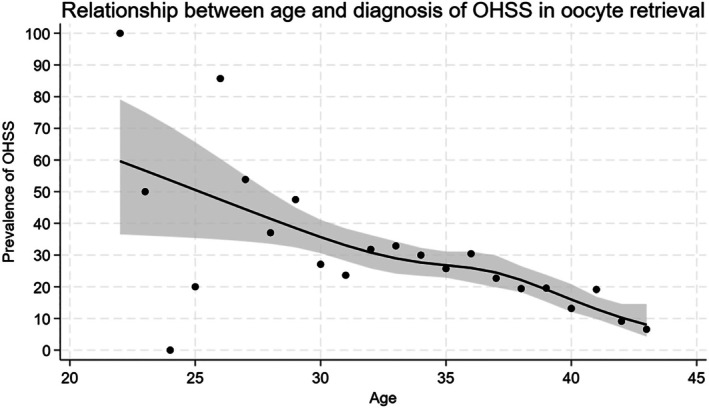
Results: Among 590,006 women and 619,551 men, the highest prevalence of infertility was seen in women (3.9%) and men (0.5%) aged 30-34 years. General fertility treatment was more common among younger women but decreased with age, while ART became more prevalent after age 35. The major prescriptions were hormone preparations for ART and luteal insufficiency among women. The diagnosis ratio of OHSS was higher than previously reported, with 8.0% to 9.6% of women undergoing fertility treatment, particularly receiving ART and younger. Male prevalence of diagnosis and treatment remained low, with multiple factors underlying access to treatment.
Conclusions: Public insurance coverage improved access to fertility treatment and enhanced data standardization in Japan. This study indicates the need for targeted strategies to broaden equity in reproductive health services.
期刊介绍:
Reproductive Medicine and Biology (RMB) is the official English journal of the Japan Society for Reproductive Medicine, the Japan Society of Fertilization and Implantation, the Japan Society of Andrology, and publishes original research articles that report new findings or concepts in all aspects of reproductive phenomena in all kinds of mammals. Papers in any of the following fields will be considered: andrology, endocrinology, oncology, immunology, genetics, function of gonads and genital tracts, erectile dysfunction, gametogenesis, function of accessory sex organs, fertilization, embryogenesis, embryo manipulation, pregnancy, implantation, ontogenesis, infectious disease, contraception, etc.


 求助内容:
求助内容: 应助结果提醒方式:

 京公网安备 11010802042870号


