S. A. Smagulova, F. D. Vasileva, L. A. Tarasova, Ya. A. Akhremenko, Z. I. Evseev
{"title":"Antimicrobial Properties of Cotton E-Textiles Modified with Graphene Oxide and Silver Nanoparticles","authors":"S. A. Smagulova, F. D. Vasileva, L. A. Tarasova, Ya. A. Akhremenko, Z. I. Evseev","doi":"10.1134/S2635167625601251","DOIUrl":null,"url":null,"abstract":"<p>This study investigates the bactericidal and fungicidal properties of graphene oxide flakes with an average lateral size of 1 μm and an oxygen content of ~45%, mildly oxidized graphene flakes with an average lateral size of 0.1 μm and an oxygen content of ~20%, and a silver nanoparticle–graphene oxide composite in aqueous suspensions and cotton textiles. It is shown that after 24 hours of microbial exposure to the graphene oxide flake suspension, <i>Escherichia coli</i> was reduced by 80%, <i>Staphylococcus aureus</i> by 40%, and <i>Candida albicans</i> by 100%, whereas the mildly oxidized graphene suspension eliminated <i>E. coli</i> and <i>S. aureus</i> by 100% but reduced <i>C. albicans</i> by only 40%. The use of silver nanoparticle–graphene oxide composites demonstrates more effective antimicrobial action, achieving 100% elimination of <i>E. coli</i>, <i>S. aureus</i>, and <i>C. albicans</i> within 24 hours of exposure. The antimicrobial efficacy of textiles treated with graphene oxide and mildly oxidized graphene against <i>E. coli</i> is similar and relatively high compared to their effectiveness against <i>S. aureus</i> and <i>C. albicans</i>. Textiles with silver nanoparticle–graphene oxide composites exhibited antimicrobial efficacy approximately twice as high as that of graphene oxide.</p>","PeriodicalId":716,"journal":{"name":"Nanotechnologies in Russia","volume":"20 6","pages":"927 - 935"},"PeriodicalIF":0.8000,"publicationDate":"2026-03-02","publicationTypes":"Journal Article","fieldsOfStudy":null,"isOpenAccess":false,"openAccessPdf":"","citationCount":"0","resultStr":null,"platform":"Semanticscholar","paperid":null,"PeriodicalName":"Nanotechnologies in Russia","FirstCategoryId":"1085","ListUrlMain":"https://link.springer.com/article/10.1134/S2635167625601251","RegionNum":0,"RegionCategory":null,"ArticlePicture":[],"TitleCN":null,"AbstractTextCN":null,"PMCID":null,"EPubDate":"","PubModel":"","JCR":"Q3","JCRName":"Engineering","Score":null,"Total":0}
引用次数: 0
Abstract
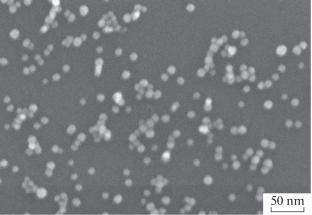
This study investigates the bactericidal and fungicidal properties of graphene oxide flakes with an average lateral size of 1 μm and an oxygen content of ~45%, mildly oxidized graphene flakes with an average lateral size of 0.1 μm and an oxygen content of ~20%, and a silver nanoparticle–graphene oxide composite in aqueous suspensions and cotton textiles. It is shown that after 24 hours of microbial exposure to the graphene oxide flake suspension, Escherichia coli was reduced by 80%, Staphylococcus aureus by 40%, and Candida albicans by 100%, whereas the mildly oxidized graphene suspension eliminated E. coli and S. aureus by 100% but reduced C. albicans by only 40%. The use of silver nanoparticle–graphene oxide composites demonstrates more effective antimicrobial action, achieving 100% elimination of E. coli, S. aureus, and C. albicans within 24 hours of exposure. The antimicrobial efficacy of textiles treated with graphene oxide and mildly oxidized graphene against E. coli is similar and relatively high compared to their effectiveness against S. aureus and C. albicans. Textiles with silver nanoparticle–graphene oxide composites exhibited antimicrobial efficacy approximately twice as high as that of graphene oxide.
期刊介绍:
Nanobiotechnology Reports publishes interdisciplinary research articles on fundamental aspects of the structure and properties of nanoscale objects and nanomaterials, polymeric and bioorganic molecules, and supramolecular and biohybrid complexes, as well as articles that discuss technologies for their preparation and processing, and practical implementation of products, devices, and nature-like systems based on them. The journal publishes original articles and reviews that meet the highest scientific quality standards in the following areas of science and technology studies: self-organizing structures and nanoassemblies; nanostructures, including nanotubes; functional and structural nanomaterials; polymeric, bioorganic, and hybrid nanomaterials; devices and products based on nanomaterials and nanotechnology; nanobiology and genetics, and omics technologies; nanobiomedicine and nanopharmaceutics; nanoelectronics and neuromorphic computing systems; neurocognitive systems and technologies; nanophotonics; natural science methods in a study of cultural heritage items; metrology, standardization, and monitoring in nanotechnology.

 求助内容:
求助内容: 应助结果提醒方式:

 京公网安备 11010802042870号


