NIR‐Responsive Nano‐Integrated Magnesium Phosphate Cement Promotes Bone Regeneration via Osteoblast‐Exosome‐Osteoclast Crosstalk

IF 12.1 1区 材料科学 Q1 MATERIALS SCIENCE, MULTIDISCIPLINARY
Rare Metals Pub Date : 2025-12-26 DOI:10.1002/rar2.70103
Bin Wang, Shun‐Jie Wu, Xin‐Lin Lu, Yong Ge, Yue Zhang, Zhi‐Xiang Ma, Bin Xu, Paul‐K. Chu, Yuanzhang Zhao
{"title":"NIR‐Responsive Nano‐Integrated Magnesium Phosphate Cement Promotes Bone Regeneration via Osteoblast‐Exosome‐Osteoclast Crosstalk","authors":"Bin Wang, Shun‐Jie Wu, Xin‐Lin Lu, Yong Ge, Yue Zhang, Zhi‐Xiang Ma, Bin Xu, Paul‐K. Chu, Yuanzhang Zhao","doi":"10.1002/rar2.70103","DOIUrl":null,"url":null,"abstract":"ABSTRACT The limited osteogenic capacity of magnesium phosphate cement (MPC) has constrained its biomedical applications, underscoring the necessity to develop MPC with enhanced physical properties and bone‐forming capabilities. In this study, a multifunctional MPC system was developed by incorporating zoledronic acid‐loaded near‐infrared (NIR)‐responsive nanocarriers, strontium oxide (SrO), and hyaluronic acid (HA). The nanocarriers were constructed using dual‐layer poly‐dopamine (PDA) modification of mesoporous silica nanoparticles (MSNs), enabling controlled drug release and antibacterial efficacy under NIR stimulation. The optimized Sr‐ZMP‐HA MPC demonstrated prolonged setting time, near‐neutral pH, superior injectability, and improved compressive strength. Immersion tests revealed its sustained degradation resistance. This composite material exhibited excellent biocompatibility along with enhanced osteogenic and angiogenic properties, particularly when activated by NIR irradiation. The experiments demonstrated that NIR‐triggered Sr‐ZMP‐HA MPC promoted osteoblast‐derived exosome secretion. These exosomes mediated miRNA transfer to osteoclasts, effectively suppressing their proliferation and differentiation while delaying bone tissue senescence. This dual‐functional system, combining NIR‐responsive nanomedicine with exosome‐mediated intercellular communication, provided a novel strategy for developing advanced bone repair materials, potentially addressing current limitations in orthopedic applications through synergistic mechanical reinforcement and biological activation mechanisms.","PeriodicalId":749,"journal":{"name":"Rare Metals","volume":"45 2","pages":""},"PeriodicalIF":12.1000,"publicationDate":"2025-12-26","publicationTypes":"Journal Article","fieldsOfStudy":null,"isOpenAccess":false,"openAccessPdf":"","citationCount":"0","resultStr":null,"platform":"Semanticscholar","paperid":null,"PeriodicalName":"Rare Metals","FirstCategoryId":"0","ListUrlMain":"https://doi.org/10.1002/rar2.70103","RegionNum":1,"RegionCategory":"材料科学","ArticlePicture":[],"TitleCN":null,"AbstractTextCN":null,"PMCID":null,"EPubDate":"","PubModel":"","JCR":"Q1","JCRName":"MATERIALS SCIENCE, MULTIDISCIPLINARY","Score":null,"Total":0}
引用次数: 0

Abstract

ABSTRACT The limited osteogenic capacity of magnesium phosphate cement (MPC) has constrained its biomedical applications, underscoring the necessity to develop MPC with enhanced physical properties and bone‐forming capabilities. In this study, a multifunctional MPC system was developed by incorporating zoledronic acid‐loaded near‐infrared (NIR)‐responsive nanocarriers, strontium oxide (SrO), and hyaluronic acid (HA). The nanocarriers were constructed using dual‐layer poly‐dopamine (PDA) modification of mesoporous silica nanoparticles (MSNs), enabling controlled drug release and antibacterial efficacy under NIR stimulation. The optimized Sr‐ZMP‐HA MPC demonstrated prolonged setting time, near‐neutral pH, superior injectability, and improved compressive strength. Immersion tests revealed its sustained degradation resistance. This composite material exhibited excellent biocompatibility along with enhanced osteogenic and angiogenic properties, particularly when activated by NIR irradiation. The experiments demonstrated that NIR‐triggered Sr‐ZMP‐HA MPC promoted osteoblast‐derived exosome secretion. These exosomes mediated miRNA transfer to osteoclasts, effectively suppressing their proliferation and differentiation while delaying bone tissue senescence. This dual‐functional system, combining NIR‐responsive nanomedicine with exosome‐mediated intercellular communication, provided a novel strategy for developing advanced bone repair materials, potentially addressing current limitations in orthopedic applications through synergistic mechanical reinforcement and biological activation mechanisms.
近红外响应纳米集成磷酸镁水泥通过成骨细胞-外泌体-破骨细胞串音促进骨再生
磷酸镁水泥(MPC)有限的成骨能力限制了其生物医学应用,强调了开发具有增强物理性能和骨形成能力的MPC的必要性。在这项研究中,通过加入唑来膦酸负载的近红外(NIR)响应纳米载体、氧化锶(SrO)和透明质酸(HA),开发了多功能MPC系统。采用双层聚多巴胺(PDA)修饰介孔二氧化硅纳米颗粒(MSNs)构建纳米载体,使其在近红外刺激下具有可控的药物释放和抗菌效果。优化后的Sr - ZMP - HA MPC具有凝固时间延长、pH值接近中性、注射性好、抗压强度提高等特点。浸渍试验表明其具有持续的抗降解能力。这种复合材料表现出优异的生物相容性以及增强的成骨和血管生成性能,特别是在近红外照射下激活时。实验表明,近红外触发的Sr - ZMP - HA MPC促进了成骨细胞来源的外泌体分泌。这些外泌体介导miRNA转移到破骨细胞,有效抑制其增殖和分化,同时延缓骨组织衰老。这种双功能系统结合了近红外响应纳米药物和外泌体介导的细胞间通讯,为开发先进的骨修复材料提供了一种新的策略,有可能通过协同机械增强和生物激活机制解决目前骨科应用中的局限性。
本文章由计算机程序翻译,如有差异,请以英文原文为准。
求助全文
约1分钟内获得全文 求助全文
来源期刊
Rare Metals
Rare Metals 工程技术-材料科学:综合
CiteScore
12.10
自引率
12.50%
发文量
2919
审稿时长
2.7 months
期刊介绍: Rare Metals is a monthly peer-reviewed journal published by the Nonferrous Metals Society of China. It serves as a platform for engineers and scientists to communicate and disseminate original research articles in the field of rare metals. The journal focuses on a wide range of topics including metallurgy, processing, and determination of rare metals. Additionally, it showcases the application of rare metals in advanced materials such as superconductors, semiconductors, composites, and ceramics.
文献相关原料
原料信息
原料厂家
1
Agilent 2100 Bioanalyzer
2
DNA high sensitivity chip
3
mirVana miRNA Isolation Kit
4
TU-1901
5
Bruker D8-Discover
6
Canon 5D Mark III
7
Illumina HiSeq X Ten
8
TruSeq Small RNA Sample Prep Kit
9
Autosorb-IQ2
10
Quantachrome Autosorb-IQ2
11
Tetraethyl orthosilicate
13
Ammonia solution
14
Potassium dihydrogen phosphate
16
Nanodrop 2000
17
UTi120s
18
Poly (ethylene glycol)-block-poly (propylene glycol)-block poly (ethylene glycol)
9003-11-6
19
22
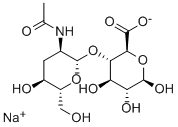
Hyaluronic acid
9004-61-9
¥30.00-¥13871.00
20
22
Pluronic F127
9003-11-6
¥26.00-¥14400.00
21
22
octadecyltrimethoxysilane
3069-42-9
¥21.00-¥6550.00
22
22
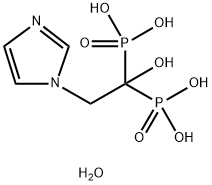
Zoledronic acid monohydrate
165800-06-6
¥20.00-¥6451.06
23
22
hexadecyltrimethylammonium bromide
57-09-0
¥22.00-¥34696.00
24
22
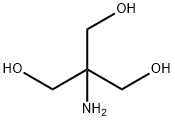
Tris(hydroxymethyl)methyl aminomethane
77-86-1
¥18.00-¥92153.05
25
22
strontium oxide
1314-11-0
¥22.00-¥11800.00
26
22
Light magnesium oxide
1309-48-4
¥20.00-¥48886.00
27
22
dopamine hydrochloride
62-31-7
¥29.00-¥16459.00
×
引用
GB/T 7714-2015
复制
MLA
复制
APA
复制
导出至
BibTeX EndNote RefMan NoteFirst NoteExpress
×
提示
您的信息不完整,为了账户安全,请先补充。
现在去补充
×
提示
您因"违规操作"
具体请查看互助需知
我知道了
×
提示
确定
请完成安全验证×
copy
已复制链接
快去分享给好友吧!
我知道了
右上角分享
点击右上角分享
0
联系我们:info@booksci.cn Book学术提供免费学术资源搜索服务,方便国内外学者检索中英文文献。致力于提供最便捷和优质的服务体验。 Copyright © 2023 布克学术 All rights reserved.
京ICP备2023020795号-1
ghs 京公网安备 11010802042870号
Book学术文献互助
Book学术文献互助群
群 号:604180095
Book学术官方微信
小红书