
Synergistical treatment of TNBC with nanogels via disrupting glycolysis, inducing ICD and ferroptosis
IF 9.4
2区 材料科学
Q1 CHEMISTRY, PHYSICAL
引用次数: 0
Abstract
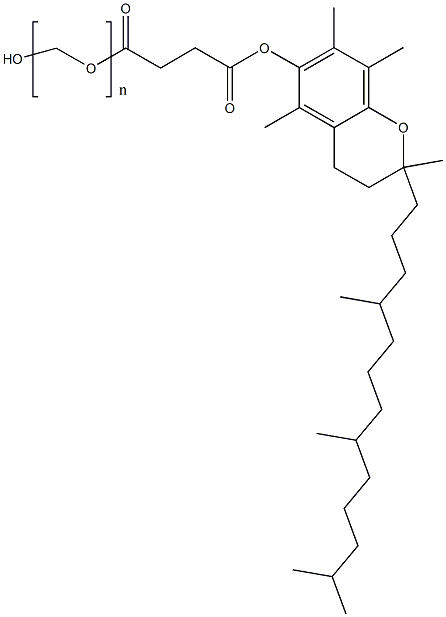
Triple-negative breast cancer (TNBC) presents formidable therapeutic challenges due to its triple defense system including antioxidant capacity, glycolytic metabolism, and immunosuppressive microenvironment. To overcome these interconnected resistance mechanisms, we developed a multifunctional nanogel (3-in-1 NG) consisting of Fe2+-crosslinked boronate-conjugated mannose-alginate with encapsulated D-α-tocopheryl polyethylene glycol succinate (TPGS), which enables efficient tumor delivery. 3-in-1 NG achieved a 52.9% tumor growth inhibition rate and significantly impeded metastatic progression in 4T1 models. Mechanistically, the pH-triggered mannose release led to intracellular accumulation of mannose-6-phosphate. This effectively blocked glycolytic activity and reversed immunosuppressive lactate accumulation, priming tumors for ferroptosis. The nanoplatform simultaneously executes therapeutic functions including metabolic disruption via mannose-mediated glycolysis inhibition, TPGS-induced immunogenic cell death triggering dendritic cell maturation and cytotoxic T-cell infiltration, and Fe2+-dependent lipid peroxidation initiating ferroptosis cascade. These synergistic mechanisms established self-reinforcing therapeutic actions where metabolic inhibition enhanced both immune recognition and ferroptosis susceptibility, creating a feed-forward cycle that progressively dismantled tumor defenses. Our work pioneers a nanomedicine strategy that simultaneously exploits the metabolic plasticity, redox adaptability, and immune escape of TNBC, providing a unified synergistic solution for refractory malignancies.纳米凝胶通过破坏糖酵解、诱导ICD和铁死亡协同治疗TNBC
三阴性乳腺癌(TNBC)由于其抗氧化能力、糖酵解代谢和免疫抑制微环境的三重防御系统,提出了巨大的治疗挑战。为了克服这些相互关联的耐药机制,我们开发了一种多功能纳米凝胶(3合1 NG),该纳米凝胶由Fe2+交联硼酸盐偶联甘露糖海藻酸盐和包封的D-α-生育酚聚乙二醇琥珀酸酯(TPGS)组成,可以有效地递送肿瘤。在4T1模型中,3合1 NG实现了52.9%的肿瘤生长抑制率,并显著阻碍了转移进展。从机制上讲,ph触发的甘露糖释放导致甘露糖-6-磷酸在细胞内积累。这有效地阻断了糖酵解活性,逆转了免疫抑制性乳酸积累,引发了铁下垂的肿瘤。纳米平台同时执行治疗功能,包括通过甘露糖介导的糖酵解抑制代谢破坏,tpgs诱导的免疫原性细胞死亡触发树突状细胞成熟和细胞毒性t细胞浸润,以及Fe2+依赖性脂质过氧化引发铁死亡级联。这些协同机制建立了自我强化的治疗作用,其中代谢抑制增强了免疫识别和铁下垂易感性,创造了一个逐步拆除肿瘤防御的前馈循环。我们的工作开创了一种纳米医学策略,同时利用TNBC的代谢可塑性、氧化还原适应性和免疫逃逸,为难治性恶性肿瘤提供统一的协同解决方案。
本文章由计算机程序翻译,如有差异,请以英文原文为准。
求助全文
约1分钟内获得全文
求助全文
来源期刊
Nano Research
化学-材料科学:综合
CiteScore
14.30
自引率
11.10%
发文量
2574
审稿时长
1.7 months
期刊介绍:
Nano Research is a peer-reviewed, international and interdisciplinary research journal that focuses on all aspects of nanoscience and nanotechnology. It solicits submissions in various topical areas, from basic aspects of nanoscale materials to practical applications. The journal publishes articles on synthesis, characterization, and manipulation of nanomaterials; nanoscale physics, electrical transport, and quantum physics; scanning probe microscopy and spectroscopy; nanofluidics; nanosensors; nanoelectronics and molecular electronics; nano-optics, nano-optoelectronics, and nano-photonics; nanomagnetics; nanobiotechnology and nanomedicine; and nanoscale modeling and simulations. Nano Research offers readers a combination of authoritative and comprehensive Reviews, original cutting-edge research in Communication and Full Paper formats. The journal also prioritizes rapid review to ensure prompt publication.
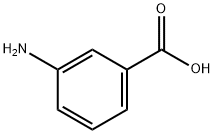
文献相关原料
 求助内容:
 应助结果提醒方式:


 京公网安备 11010802042870号


