Lisa Diaz, Dante Anthony Tolentino, Mary-Lynn Brecht, Wendie Robbins, Sarah E Choi
{"title":"Exploring the Quality of TikTok-Based Diabetes Self-Management Education in English and Spanish: A Digital Health Study.","authors":"Lisa Diaz, Dante Anthony Tolentino, Mary-Lynn Brecht, Wendie Robbins, Sarah E Choi","doi":"10.1177/26350106261422680","DOIUrl":null,"url":null,"abstract":"<p><strong>Purpose: </strong>The purpose of this study was to evaluate TikTok videos about type 2 diabetes mellitus (T2DM) in English and Spanish, with a focus on the Association of Diabetes Care and Education Specialists' 7 self-care behaviors (ADCES7).</p><p><strong>Methods: </strong>This descriptive study analyzed 300 TikTok videos via English and Spanish hashtags related to T2DM and categorized self-management education content utilizing the ADCES7 self-care behavior framework. Video content creators were categorized into 3 groups: health care professionals, personal accounts, and companies. The Global Quality Scale (GQS) was used to assess video quality from 1 (poor) to 5 (excellent). User engagement metrics were recorded to examine differences across videos.</p><p><strong>Results: </strong>The analysis of videos revealed that healthy eating was the most frequently addressed ADCES7 self-care behavior, followed by reducing risk. In contrast, problem-solving and healthy coping were the least represented. Spanish-language videos emphasized healthy coping more than English content. Health care professionals' videos had higher GQS scores than personal accounts and companies. However, overall GQS scores remained low-engagement varied by source, with personal creators generating the highest levels of likes and comments.</p><p><strong>Conclusions: </strong>Traditional in-person diabetes education has limited accessibility, especially for various groups, including Hispanic communities. This study found that TikTok content often lacked high-quality and comprehensive coverage of ADCES7 self-care behaviors, with personal accounts generating the most engagement despite lower quality. Given TikTok's rapid growth, there is an urgent need to improve the quality of diabetes-management content to ensure users receive accurate and reliable information.</p>","PeriodicalId":75187,"journal":{"name":"The science of diabetes self-management and care","volume":" ","pages":"150-161"},"PeriodicalIF":2.2000,"publicationDate":"2026-04-01","publicationTypes":"Journal Article","fieldsOfStudy":null,"isOpenAccess":false,"openAccessPdf":"https://www.ncbi.nlm.nih.gov/pmc/articles/PMC12996366/pdf/","citationCount":"0","resultStr":null,"platform":"Semanticscholar","paperid":null,"PeriodicalName":"The science of diabetes self-management and care","FirstCategoryId":"1085","ListUrlMain":"https://doi.org/10.1177/26350106261422680","RegionNum":0,"RegionCategory":null,"ArticlePicture":[],"TitleCN":null,"AbstractTextCN":null,"PMCID":null,"EPubDate":"2026/2/26 0:00:00","PubModel":"Epub","JCR":"","JCRName":"","Score":null,"Total":0}
引用次数: 0
Abstract
Purpose: The purpose of this study was to evaluate TikTok videos about type 2 diabetes mellitus (T2DM) in English and Spanish, with a focus on the Association of Diabetes Care and Education Specialists' 7 self-care behaviors (ADCES7).
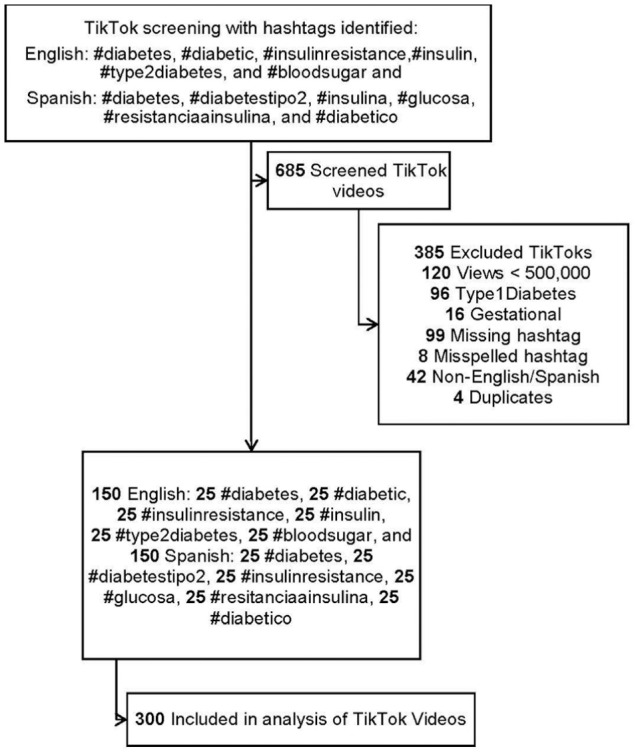
Methods: This descriptive study analyzed 300 TikTok videos via English and Spanish hashtags related to T2DM and categorized self-management education content utilizing the ADCES7 self-care behavior framework. Video content creators were categorized into 3 groups: health care professionals, personal accounts, and companies. The Global Quality Scale (GQS) was used to assess video quality from 1 (poor) to 5 (excellent). User engagement metrics were recorded to examine differences across videos.
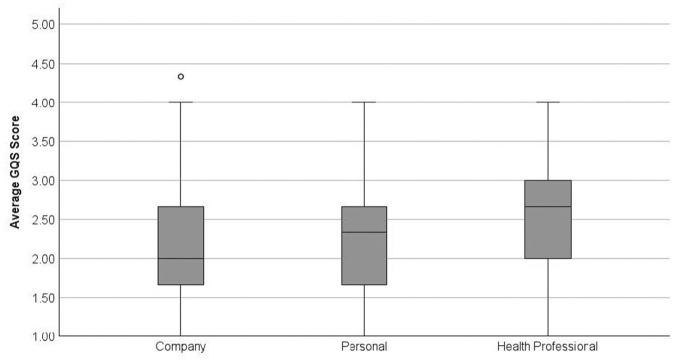
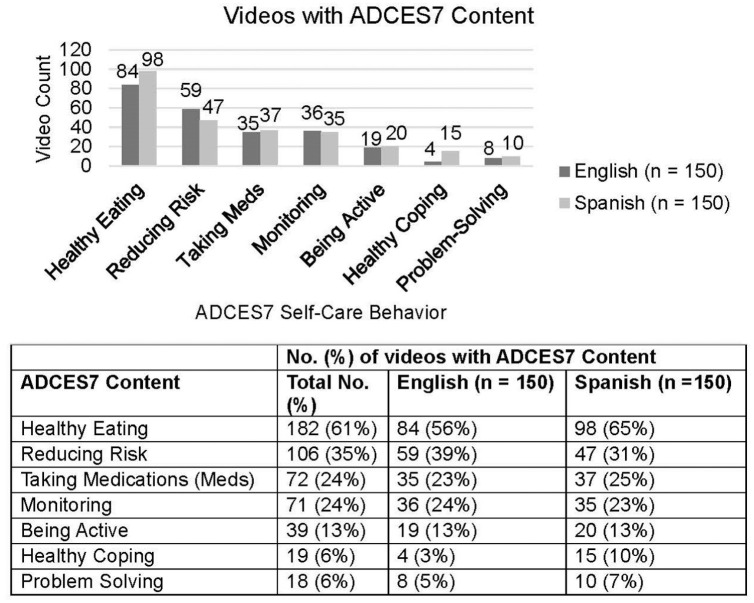
Results: The analysis of videos revealed that healthy eating was the most frequently addressed ADCES7 self-care behavior, followed by reducing risk. In contrast, problem-solving and healthy coping were the least represented. Spanish-language videos emphasized healthy coping more than English content. Health care professionals' videos had higher GQS scores than personal accounts and companies. However, overall GQS scores remained low-engagement varied by source, with personal creators generating the highest levels of likes and comments.
Conclusions: Traditional in-person diabetes education has limited accessibility, especially for various groups, including Hispanic communities. This study found that TikTok content often lacked high-quality and comprehensive coverage of ADCES7 self-care behaviors, with personal accounts generating the most engagement despite lower quality. Given TikTok's rapid growth, there is an urgent need to improve the quality of diabetes-management content to ensure users receive accurate and reliable information.


 求助内容:
求助内容: 应助结果提醒方式:

 京公网安备 11010802042870号


