Seroprevalence of Strongyloides stercoralis Infection and Its Risk Factors in Pregnant Women Referred to Al-Zahra Hospital in Guilan Province, North Part of Iran: A Cross-Sectional Study From 2024 to 2025.
{"title":"Seroprevalence of <i>Strongyloides stercoralis</i> Infection and Its Risk Factors in Pregnant Women Referred to Al-Zahra Hospital in Guilan Province, North Part of Iran: A Cross-Sectional Study From 2024 to 2025.","authors":"Mahdieh Sorouri Majd, Eshrat Beigom Kia, Seyedeh Hajar Sharami, Mehdi Mohebali, Azadeh Jafari, Roya Latifi, Zohreh Fakhrieh-Kashan","doi":"10.1155/japr/9933423","DOIUrl":null,"url":null,"abstract":"<p><strong>Background: </strong>In immunocompromised individuals, strongyloidiasis may progress to hyperinfection syndrome or disseminated disease. To date, the death of a pregnant woman infected with <i>Strongyloides stercoralis</i> has been reported. Chronic cases carry a risk of malnutrition, especially among vulnerable populations like pregnant women and children. Pregnancy-related immunosuppression increases susceptibility to severe strongyloidiasis. This study assesses strongyloidiasis seroprevalence in pregnant women at Al-Zahra Hospital, Guilan Province.</p><p><strong>Materials and methods: </strong>This cross-sectional study (September 2024 to February 2025) randomly selected 384 pregnant women referred to Al-Zahra Hospital, Rasht. After consent, blood (all) and permitted stool samples plus symptom questionnaires were collected. Serum was tested for anti-<i>S. stercoralis</i> IgG antibodies using ELISA (NovaLisa). Stool underwent parasitological examination (direct smear, formalin-ethyl acetate concentration method, and nutrient agar plate culture [APC]). SPSS v25 analyzed data using Fisher's exact test.</p><p><strong>Results: </strong>The study enrolled pregnant women (gestational age: 1-8 months) aged 15-48 years. The seroprevalence of strongyloidiasis (anti-<i>S. stercoralis</i> IgG antibodies) was 2.6%. Six of these individuals, who provided stool samples, also tested positive by parasitological examination. No significant associations (<i>p</i> > 0.05) were observed between infection and factors including vegetable washing practices, residential location (urban/rural), education level, occupational exposure, soil contact, clinical symptoms, animal contact, or hypereosinophilia. However, a significant association (<i>p</i> < 0.05) was identified between strongyloidiasis and underlying conditions, with gestational diabetes present in 30% of patients.</p><p><strong>Conclusion: </strong>The overlap of gastrointestinal, respiratory, and hematological symptoms with pregnancy contributes to the underdiagnosis of strongyloidiasis. Early respiratory symptoms are hormonally driven, whereas persistent later symptoms suggest infection (50% strongyloidiasis cases here). Preconception <i>S. stercoralis</i> serology and hygiene/animal-contact education are recommended.</p>","PeriodicalId":16662,"journal":{"name":"Journal of Parasitology Research","volume":"2026 ","pages":"9933423"},"PeriodicalIF":1.8000,"publicationDate":"2026-02-12","publicationTypes":"Journal Article","fieldsOfStudy":null,"isOpenAccess":false,"openAccessPdf":"https://www.ncbi.nlm.nih.gov/pmc/articles/PMC12897577/pdf/","citationCount":"0","resultStr":null,"platform":"Semanticscholar","paperid":null,"PeriodicalName":"Journal of Parasitology Research","FirstCategoryId":"1085","ListUrlMain":"https://doi.org/10.1155/japr/9933423","RegionNum":0,"RegionCategory":null,"ArticlePicture":[],"TitleCN":null,"AbstractTextCN":null,"PMCID":null,"EPubDate":"2026/1/1 0:00:00","PubModel":"eCollection","JCR":"Q3","JCRName":"PARASITOLOGY","Score":null,"Total":0}
引用次数: 0
Abstract
Background: In immunocompromised individuals, strongyloidiasis may progress to hyperinfection syndrome or disseminated disease. To date, the death of a pregnant woman infected with Strongyloides stercoralis has been reported. Chronic cases carry a risk of malnutrition, especially among vulnerable populations like pregnant women and children. Pregnancy-related immunosuppression increases susceptibility to severe strongyloidiasis. This study assesses strongyloidiasis seroprevalence in pregnant women at Al-Zahra Hospital, Guilan Province.
Materials and methods: This cross-sectional study (September 2024 to February 2025) randomly selected 384 pregnant women referred to Al-Zahra Hospital, Rasht. After consent, blood (all) and permitted stool samples plus symptom questionnaires were collected. Serum was tested for anti-S. stercoralis IgG antibodies using ELISA (NovaLisa). Stool underwent parasitological examination (direct smear, formalin-ethyl acetate concentration method, and nutrient agar plate culture [APC]). SPSS v25 analyzed data using Fisher's exact test.
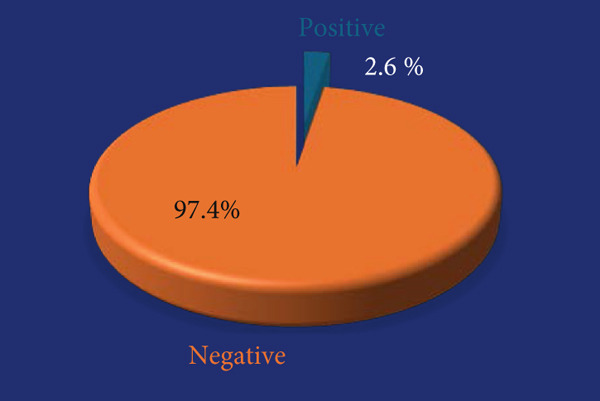
Results: The study enrolled pregnant women (gestational age: 1-8 months) aged 15-48 years. The seroprevalence of strongyloidiasis (anti-S. stercoralis IgG antibodies) was 2.6%. Six of these individuals, who provided stool samples, also tested positive by parasitological examination. No significant associations (p > 0.05) were observed between infection and factors including vegetable washing practices, residential location (urban/rural), education level, occupational exposure, soil contact, clinical symptoms, animal contact, or hypereosinophilia. However, a significant association (p < 0.05) was identified between strongyloidiasis and underlying conditions, with gestational diabetes present in 30% of patients.
Conclusion: The overlap of gastrointestinal, respiratory, and hematological symptoms with pregnancy contributes to the underdiagnosis of strongyloidiasis. Early respiratory symptoms are hormonally driven, whereas persistent later symptoms suggest infection (50% strongyloidiasis cases here). Preconception S. stercoralis serology and hygiene/animal-contact education are recommended.
期刊介绍:
Journal of Parasitology Research is a peer-reviewed, Open Access journal that publishes original research articles, review articles, and clinical studies in all areas of basic and applied parasitology. Articles covering host-parasite relationships and parasitic diseases will be considered, as well as studies on disease vectors. Articles highlighting social and economic issues around the impact of parasites are also encouraged. As an international, Open Access publication, Journal of Parasitology Research aims to foster learning and collaboration between countries and communities.


 求助内容:
求助内容: 应助结果提醒方式:

 京公网安备 11010802042870号


