
Dietary inulin mediates the molecular mechanism of intestinal metabolites to alleviate high salt diet-induced chronic kidney disease in mice

IF 5.2 2区 医学 Q1 BIOCHEMISTRY & MOLECULAR BIOLOGY
Journal of Nutritional Biochemistry Pub Date : 2026-05-01 Epub Date: 2026-01-15 DOI:10.1016/j.jnutbio.2026.110269
Qinglin Qu, Huajing Gao, Xue Gao, Peihua Li, Yanquan Mou, Xiangrui Kong, Xintong Tan
{"title":"Dietary inulin mediates the molecular mechanism of intestinal metabolites to alleviate high salt diet-induced chronic kidney disease in mice","authors":"Qinglin Qu,&nbsp;Huajing Gao,&nbsp;Xue Gao,&nbsp;Peihua Li,&nbsp;Yanquan Mou,&nbsp;Xiangrui Kong,&nbsp;Xintong Tan","doi":"10.1016/j.jnutbio.2026.110269","DOIUrl":null,"url":null,"abstract":"<div><div>It is recognized that excessive dietary salt intake is a critical factor contributing to chronic kidney disease (CKD). A high-salt diet (HSD) disrupts the balance of the gut microbiota, but the molecular mechanisms linking gut dysbiosis to target organ damage remain unclear. This study identified dietary prebiotic inulin (INU) as a potent regulator of the gut-short-chain fatty acid-kidney axis, capable of counteracting HSD-induced CKD. Sequencing analysis showed that INU selectively enriched <em>Bifidobacterium</em> and <em>Faecalibaculum</em> while downregulating <em>Desulfovibrio</em>. This microbiome shift restored intestinal tight junction proteins and reduced serum lipopolysaccharide (LPS) levels, thereby inhibiting TLR4/NF-κB-mediated renal inflammation. Notably, the effects of direct SCFA supplementation align with the renal protective effects of INU, confirming the critical role of the gut-kidney axis. Our study reveals INU as a dietary strategy that combats HSD-induced CKD via SCFAs produced by the microbiota, offering new insights into the gut-SCFAs-kidney axis as a therapeutic target.</div></div>","PeriodicalId":16618,"journal":{"name":"Journal of Nutritional Biochemistry","volume":"151 ","pages":"Article 110269"},"PeriodicalIF":5.2000,"publicationDate":"2026-05-01","publicationTypes":"Journal Article","fieldsOfStudy":null,"isOpenAccess":false,"openAccessPdf":"","citationCount":"0","resultStr":null,"platform":"Semanticscholar","paperid":null,"PeriodicalName":"Journal of Nutritional Biochemistry","FirstCategoryId":"3","ListUrlMain":"https://www.sciencedirect.com/science/article/pii/S0955286326000112","RegionNum":2,"RegionCategory":"医学","ArticlePicture":[],"TitleCN":null,"AbstractTextCN":null,"PMCID":null,"EPubDate":"2026/1/15 0:00:00","PubModel":"Epub","JCR":"Q1","JCRName":"BIOCHEMISTRY & MOLECULAR BIOLOGY","Score":null,"Total":0}
引用次数: 0

Abstract

It is recognized that excessive dietary salt intake is a critical factor contributing to chronic kidney disease (CKD). A high-salt diet (HSD) disrupts the balance of the gut microbiota, but the molecular mechanisms linking gut dysbiosis to target organ damage remain unclear. This study identified dietary prebiotic inulin (INU) as a potent regulator of the gut-short-chain fatty acid-kidney axis, capable of counteracting HSD-induced CKD. Sequencing analysis showed that INU selectively enriched Bifidobacterium and Faecalibaculum while downregulating Desulfovibrio. This microbiome shift restored intestinal tight junction proteins and reduced serum lipopolysaccharide (LPS) levels, thereby inhibiting TLR4/NF-κB-mediated renal inflammation. Notably, the effects of direct SCFA supplementation align with the renal protective effects of INU, confirming the critical role of the gut-kidney axis. Our study reveals INU as a dietary strategy that combats HSD-induced CKD via SCFAs produced by the microbiota, offering new insights into the gut-SCFAs-kidney axis as a therapeutic target.
饲粮菊糖介导肠道代谢物缓解高盐饮食诱导的小鼠慢性肾病的分子机制
人们认识到,过量的饮食盐摄入是导致慢性肾脏疾病(CKD)的关键因素。高盐饮食(HSD)会破坏肠道微生物群的平衡,但肠道生态失调与靶器官损伤之间的分子机制尚不清楚。本研究发现膳食益生元菊糖(INU)是肠-短链脂肪酸-肾轴的有效调节剂,能够对抗hsd诱导的CKD。测序分析显示,INU选择性富集双歧杆菌和粪杆菌,下调Desulfovibrio。这种微生物群的转移恢复了肠道紧密连接蛋白,降低了血清脂多糖(LPS)水平,从而抑制了TLR4/NF-κ b介导的肾脏炎症。值得注意的是,直接补充SCFA的效果与INU的肾脏保护作用一致,证实了肠肾轴的关键作用。我们的研究揭示了INU作为一种饮食策略,通过微生物群产生的SCFAs对抗hsd诱导的CKD,为肠道-SCFAs-肾脏轴作为治疗靶点提供了新的见解。
本文章由计算机程序翻译,如有差异,请以英文原文为准。
求助全文
约1分钟内获得全文 求助全文
来源期刊
Journal of Nutritional Biochemistry
Journal of Nutritional Biochemistry 医学-生化与分子生物学
CiteScore
9.50
自引率
3.60%
发文量
237
审稿时长
68 days
期刊介绍: Devoted to advancements in nutritional sciences, The Journal of Nutritional Biochemistry presents experimental nutrition research as it relates to: biochemistry, molecular biology, toxicology, or physiology. Rigorous reviews by an international editorial board of distinguished scientists ensure publication of the most current and key research being conducted in nutrition at the cellular, animal and human level. In addition to its monthly features of critical reviews and research articles, The Journal of Nutritional Biochemistry also periodically publishes emerging issues, experimental methods, and other types of articles.
文献相关原料
原料信息
原料厂家
1
Claudin-1
6
Occludin
7
p-NFκB
10
UQCRC2
12
β-actin
13
CFX96TM real-time fluorescence quantification system
14
Image Lab software
15
BioTrizol kit
16
AIN-93 M standard diet
17
high-salt diet (4% NaCl)
18
BUN Test kit
19
Scr Test kit
20
UA Test kit
21
light microscope
22
microscope
24
secondary antibodies
25
C57BL/6 mice
26
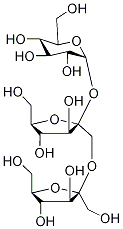
inulin
27
Isobutyric Acid
28
Sodium Acetate
29
Sodium Butyrate
30
22
inulin
9005-80-5
¥30.00-¥64777.33
×
引用
GB/T 7714-2015
复制
MLA
复制
APA
复制
导出至
BibTeX EndNote RefMan NoteFirst NoteExpress
×
提示
您的信息不完整,为了账户安全,请先补充。
现在去补充
×
提示
您因"违规操作"
具体请查看互助需知
我知道了
×
提示
确定
请完成安全验证×
copy
已复制链接
快去分享给好友吧!
我知道了
右上角分享
点击右上角分享
0
联系我们:info@booksci.cn Book学术提供免费学术资源搜索服务,方便国内外学者检索中英文文献。致力于提供最便捷和优质的服务体验。 Copyright © 2023 布克学术 All rights reserved.
京ICP备2023020795号-1
ghs 京公网安备 11010802042870号
Book学术文献互助
Book学术文献互助群
群 号:604180095
Book学术官方微信
小红书



