{"title":"Strength training in the gym versus specific strength training on the bike in young off-road cyclists.","authors":"Domenico Savio Salvatore Vicari, Luca Filipas, Valerio Giustino, Patrik Drid, Antonino Bianco","doi":"10.1093/bmb/ldaf024","DOIUrl":null,"url":null,"abstract":"<p><strong>Background: </strong>The benefits of strength training in cyclists are still a topic of debate. The aim of this study was to compare the effects of strength training performed in the gym with specific strength training performed on the bike in young off-road cyclists.</p><p><strong>Sources of data: </strong>Nineteen participants were divided into the following two groups: (i) the group A performed 12 weeks of endurance training combined with two sessions/week of strength training in the gym; (ii) the group B performed 12 weeks of endurance training combined with two sessions/week of specific strength training on the bike. Incremental test, 30 s Wingate test, and countermovement jump test were conducted at pre (T0) and post (T1) training programs.</p><p><strong>Areas of agreement: </strong>The findings are in line with previous research showing that heavy strength training in cyclists has significant improvements in some aerobic and anaerobic performance outcomes. Indeed, our results showed that in the group A, the Mean Power Output (MPO) of the 30 s Wingate test increased significantly between T0 and T1 (P = .002). In the group B, no significant differences were found in the MPO of the 30 s Wingate test between T0 and T1 (P = .276). In the group A, the Maximum Power Achieved (MPA) increased significantly between T0 and T1 (P < .001). In the group B, no significant differences were found in the MPA between T0 and T1 (P = .889).</p><p><strong>Areas of controversy: </strong>Strength training in the gym for cyclists has not been widely investigated, and, in fact, the literature shows conflicting results on the topic, with some research groups highlighting the importance of sport-specific strength training. In this way, in both groups, no significant differences in the vertical jump height between T0 and T1 (P = .331 and P = .184, for groups A and B, respectively) were detected. However, the small sample size and the numerical heterogeneity between males and females in the recruited sample do not allow to generalize findings.</p><p><strong>Growing points: </strong>As the group of cyclists who performed strength training in the gym showed significant improvements, this study suggests integrating heavy strength sessions in the gym into the usual endurance training program.</p><p><strong>Areas timely for developing research: </strong>Further studies should investigate the effectiveness of strength training in the gym both in all off-road cycling categories as well as in other cycling specialities.</p>","PeriodicalId":9280,"journal":{"name":"British medical bulletin","volume":"157 1","pages":""},"PeriodicalIF":5.2000,"publicationDate":"2026-01-02","publicationTypes":"Journal Article","fieldsOfStudy":null,"isOpenAccess":false,"openAccessPdf":"https://www.ncbi.nlm.nih.gov/pmc/articles/PMC12763815/pdf/","citationCount":"0","resultStr":null,"platform":"Semanticscholar","paperid":null,"PeriodicalName":"British medical bulletin","FirstCategoryId":"3","ListUrlMain":"https://doi.org/10.1093/bmb/ldaf024","RegionNum":2,"RegionCategory":"医学","ArticlePicture":[],"TitleCN":null,"AbstractTextCN":null,"PMCID":null,"EPubDate":"","PubModel":"","JCR":"Q1","JCRName":"Medicine","Score":null,"Total":0}
引用次数: 0
Abstract
Background: The benefits of strength training in cyclists are still a topic of debate. The aim of this study was to compare the effects of strength training performed in the gym with specific strength training performed on the bike in young off-road cyclists.
Sources of data: Nineteen participants were divided into the following two groups: (i) the group A performed 12 weeks of endurance training combined with two sessions/week of strength training in the gym; (ii) the group B performed 12 weeks of endurance training combined with two sessions/week of specific strength training on the bike. Incremental test, 30 s Wingate test, and countermovement jump test were conducted at pre (T0) and post (T1) training programs.
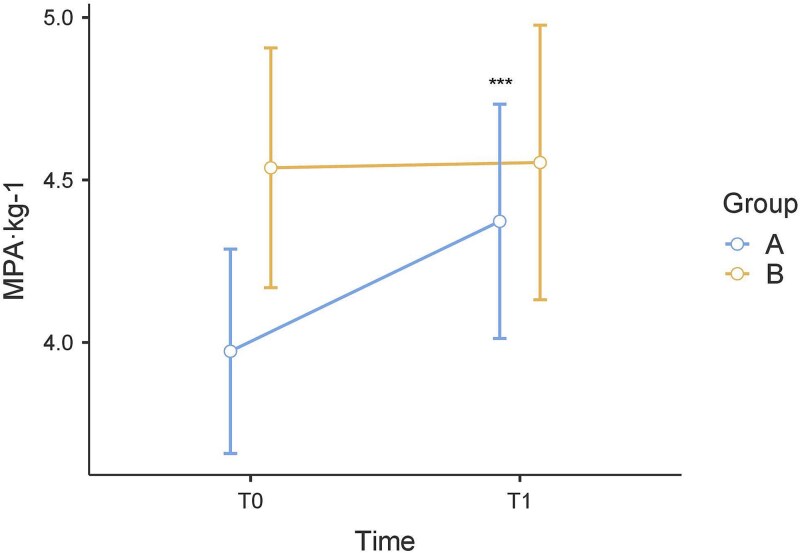
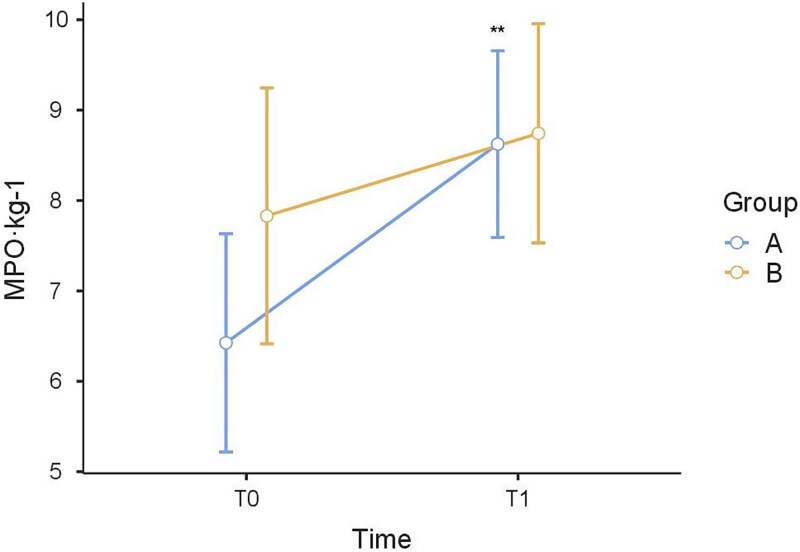
Areas of agreement: The findings are in line with previous research showing that heavy strength training in cyclists has significant improvements in some aerobic and anaerobic performance outcomes. Indeed, our results showed that in the group A, the Mean Power Output (MPO) of the 30 s Wingate test increased significantly between T0 and T1 (P = .002). In the group B, no significant differences were found in the MPO of the 30 s Wingate test between T0 and T1 (P = .276). In the group A, the Maximum Power Achieved (MPA) increased significantly between T0 and T1 (P < .001). In the group B, no significant differences were found in the MPA between T0 and T1 (P = .889).
Areas of controversy: Strength training in the gym for cyclists has not been widely investigated, and, in fact, the literature shows conflicting results on the topic, with some research groups highlighting the importance of sport-specific strength training. In this way, in both groups, no significant differences in the vertical jump height between T0 and T1 (P = .331 and P = .184, for groups A and B, respectively) were detected. However, the small sample size and the numerical heterogeneity between males and females in the recruited sample do not allow to generalize findings.
Growing points: As the group of cyclists who performed strength training in the gym showed significant improvements, this study suggests integrating heavy strength sessions in the gym into the usual endurance training program.
Areas timely for developing research: Further studies should investigate the effectiveness of strength training in the gym both in all off-road cycling categories as well as in other cycling specialities.
期刊介绍:
British Medical Bulletin is a multidisciplinary publication, which comprises high quality reviews aimed at generalist physicians, junior doctors, and medical students in both developed and developing countries.
Its key aims are to provide interpretations of growing points in medicine by trusted experts in the field, and to assist practitioners in incorporating not just evidence but new conceptual ways of thinking into their practice.


 求助内容:
求助内容: 应助结果提醒方式:

 京公网安备 11010802042870号


