Transcranial magnetic stimulation/electromyography biomarker for differential diagnosis of adult patients with psychogenic nonepileptic seizure from patients with epileptic seizure and healthy subjects: An experimental study.
{"title":"Transcranial magnetic stimulation/electromyography biomarker for differential diagnosis of adult patients with psychogenic nonepileptic seizure from patients with epileptic seizure and healthy subjects: An experimental study.","authors":"Alireza Hoomankia, Jamal Shams, Behnam Safarpour-Lima, Mohammadreza Abed","doi":"10.18502/cjn.v23i4.18765","DOIUrl":null,"url":null,"abstract":"<p><p><b>Background:</b> Epilepsy is a prevalent disease worldwide which affects 1% of the global population, making it the fourth most common disease. The primary category of epilepsy, psychogenic nonepileptic seizures (PNES), can lead to significant time and financial burdens if not promptly diagnosed. Diagnosing epileptic seizures (ES) can be complex, with video electroencephalography (VEEG) monitoring, history taking, and interviews being the most effective methods. However, VEEG is costly and not always accessible. This study aimed to develop a cost-effective diagnostic approach using transcranial magnetic stimulation (TMS)-derived indicators. The motor threshold (MT), a key brain and spinal cord excitability indicator, differentiated ES from PNES. <b>Methods:</b> The study compared 24 patients with ES, 24 patients with PNES, and 24 healthy individuals in the control group, all aged between 31-57 years. <b>Results:</b> The mean MT for individuals with ES and those with PNES was the same (73.5%), and there was no significant difference in the mean MT between the two groups of patients and individuals without any medical conditions (P > 0.05). The findings indicated that VEEG remained the preferred method for diagnosing various forms of epilepsy, particularly PNES. <b>Conclusion:</b> The MT derived from TMS and the general assessment of motor cortex excitability may not be a suitable diagnostic criterion for distinguishing ES from PNES.</p>","PeriodicalId":40077,"journal":{"name":"Current Journal of Neurology","volume":"23 4","pages":"226-232"},"PeriodicalIF":0.5000,"publicationDate":"2024-10-06","publicationTypes":"Journal Article","fieldsOfStudy":null,"isOpenAccess":false,"openAccessPdf":"https://www.ncbi.nlm.nih.gov/pmc/articles/PMC12630067/pdf/","citationCount":"0","resultStr":null,"platform":"Semanticscholar","paperid":null,"PeriodicalName":"Current Journal of Neurology","FirstCategoryId":"1085","ListUrlMain":"https://doi.org/10.18502/cjn.v23i4.18765","RegionNum":0,"RegionCategory":null,"ArticlePicture":[],"TitleCN":null,"AbstractTextCN":null,"PMCID":null,"EPubDate":"","PubModel":"","JCR":"Q4","JCRName":"CLINICAL NEUROLOGY","Score":null,"Total":0}
引用次数: 0
Abstract
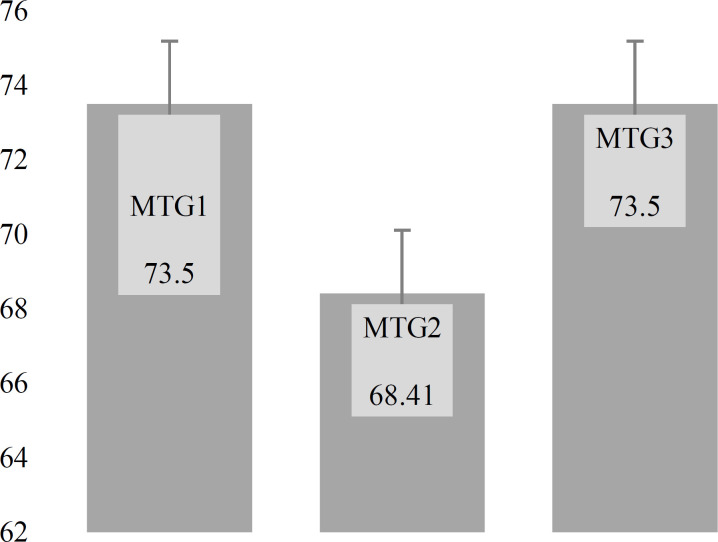
Background: Epilepsy is a prevalent disease worldwide which affects 1% of the global population, making it the fourth most common disease. The primary category of epilepsy, psychogenic nonepileptic seizures (PNES), can lead to significant time and financial burdens if not promptly diagnosed. Diagnosing epileptic seizures (ES) can be complex, with video electroencephalography (VEEG) monitoring, history taking, and interviews being the most effective methods. However, VEEG is costly and not always accessible. This study aimed to develop a cost-effective diagnostic approach using transcranial magnetic stimulation (TMS)-derived indicators. The motor threshold (MT), a key brain and spinal cord excitability indicator, differentiated ES from PNES. Methods: The study compared 24 patients with ES, 24 patients with PNES, and 24 healthy individuals in the control group, all aged between 31-57 years. Results: The mean MT for individuals with ES and those with PNES was the same (73.5%), and there was no significant difference in the mean MT between the two groups of patients and individuals without any medical conditions (P > 0.05). The findings indicated that VEEG remained the preferred method for diagnosing various forms of epilepsy, particularly PNES. Conclusion: The MT derived from TMS and the general assessment of motor cortex excitability may not be a suitable diagnostic criterion for distinguishing ES from PNES.


 求助内容:
求助内容: 应助结果提醒方式:

 京公网安备 11010802042870号


