Jialu Shi, , , Ran Zhang, , , Lili Zhang, , , Yuxin Wang, , , Yan Xu, , , Yue Wang, , , Vijaya Raghavan, , and , Jin Wang*,
{"title":"Urban Allergic Diseases Are Exacerbated by Adverse Environmental Factors","authors":"Jialu Shi, , , Ran Zhang, , , Lili Zhang, , , Yuxin Wang, , , Yan Xu, , , Yue Wang, , , Vijaya Raghavan, , and , Jin Wang*, ","doi":"10.1021/acs.est.5c09233","DOIUrl":null,"url":null,"abstract":"<p >Allergic disease prevalence differs between urban and rural populations. We aimed to evaluate the relationships between environmental and dietary factors and allergic diseases in both urban and rural settings. The results showed that the alarming increase in the incidence and severity of allergic diseases coincided with environmental and lifestyle changes, such as global warming, extreme weather and dietary modifications. Higher greenhouse gas emissions, consumption of fast food and fried meat, use of pesticides, and less exposure to pets, greenery, and environmental microbes are associated with increased rates of urban allergic diseases. The living environment influenced the microbiota of rural and urban children. Changes in environments and lifestyles influence the commensal gut, skin, respiratory, and nasal microbiomes and their human hosts, contributing to the rising incidence of allergic diseases.</p>","PeriodicalId":36,"journal":{"name":"环境科学与技术","volume":"59 44","pages":"23653–23672"},"PeriodicalIF":12.2000,"publicationDate":"2025-10-31","publicationTypes":"Journal Article","fieldsOfStudy":null,"isOpenAccess":false,"openAccessPdf":"","citationCount":"0","resultStr":null,"platform":"Semanticscholar","paperid":null,"PeriodicalName":"环境科学与技术","FirstCategoryId":"1","ListUrlMain":"https://pubs.acs.org/doi/10.1021/acs.est.5c09233","RegionNum":1,"RegionCategory":"环境科学与生态学","ArticlePicture":[],"TitleCN":null,"AbstractTextCN":null,"PMCID":null,"EPubDate":"","PubModel":"","JCR":"Q1","JCRName":"ENGINEERING, ENVIRONMENTAL","Score":null,"Total":0}
引用次数: 0
Abstract
Allergic disease prevalence differs between urban and rural populations. We aimed to evaluate the relationships between environmental and dietary factors and allergic diseases in both urban and rural settings. The results showed that the alarming increase in the incidence and severity of allergic diseases coincided with environmental and lifestyle changes, such as global warming, extreme weather and dietary modifications. Higher greenhouse gas emissions, consumption of fast food and fried meat, use of pesticides, and less exposure to pets, greenery, and environmental microbes are associated with increased rates of urban allergic diseases. The living environment influenced the microbiota of rural and urban children. Changes in environments and lifestyles influence the commensal gut, skin, respiratory, and nasal microbiomes and their human hosts, contributing to the rising incidence of allergic diseases.
期刊介绍:
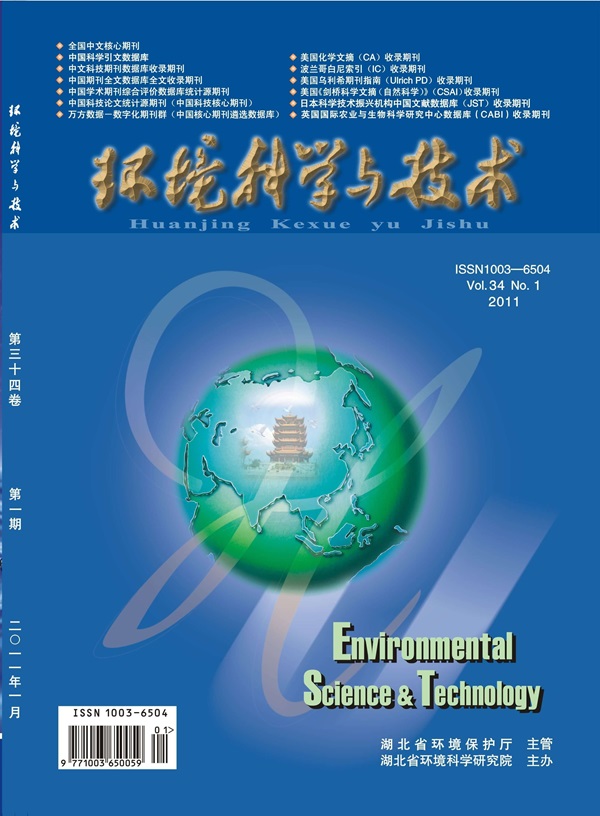
Environmental Science & Technology (ES&T) is a co-sponsored academic and technical magazine by the Hubei Provincial Environmental Protection Bureau and the Hubei Provincial Academy of Environmental Sciences.
Environmental Science & Technology (ES&T) holds the status of Chinese core journals, scientific papers source journals of China, Chinese Science Citation Database source journals, and Chinese Academic Journal Comprehensive Evaluation Database source journals. This publication focuses on the academic field of environmental protection, featuring articles related to environmental protection and technical advancements.



 求助内容:
 应助结果提醒方式:


 京公网安备 11010802042870号


