
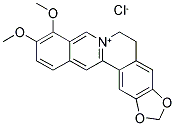
Inhibitory effects of berberine hydrochloride on porcine epidemic diarrhea virus in vitro and in vivo
IF 2.6
3区 医学
Q3 VIROLOGY
引用次数: 0
Abstract
Porcine epidemic diarrhea virus (PEDV) causes severe economic losses in swine, necessitating the development of novel antiviral strategies. In this study, we evaluated the inhibitory effects of berberine hydrochloride (BBH) on PEDV in vitro and in vivo. PEDV-infected Vero-E6 cells were treated with BBH, followed by assays for cell viability, viral RNA levels, and protein expression. PEDV-infected piglets were administered BBH, and clinical signs, intestinal morphology, and viral load were assessed. In vitro, BBH (≤120 μM) exhibited low cytotoxicity and inhibited PEDV replication in a dose-dependent manner, markedly reducing viral titers and nucleocapsid (N) protein expression. Time-of-addition assays showed inhibition across multiple stages of the viral life cycle, with pronounced effects on viral attachment and internalization. Mechanistically, BBH suppressed the autophagy marker LC3-II in a dose- and time-dependent manner, and its antiviral activity was partially reversed by the autophagy activator rapamycin, indicating that autophagy suppression contributes to its effect. In PEDV-challenged suckling piglets, oral BBH (40 mg/kg/day) notably improved survival (66.7 % vs. 0 % in controls), alleviated diarrhea, reduced viral shedding in anal swabs, lowered viral load in intestinal tissues (duodenum, jejunum, ileum), and mitigated histopathological damage. Collectively, these results demonstrate that BBH exerts potent anti-PEDV activity through inhibition of viral entry/replication and modulation of autophagy modulation, supporting its potential as an adjunctive therapy against PEDV.
盐酸小檗碱对猪流行性腹泻病毒的体内体外抑制作用。
猪流行性腹泻病毒(PEDV)给猪造成了严重的经济损失,需要开发新的抗病毒策略。在本研究中,我们评估了盐酸小檗碱(BBH)对PEDV的体外和体内抑制作用。用BBH处理pedv感染的Vero-E6细胞,然后检测细胞活力、病毒RNA水平和蛋白质表达。对感染pedv的仔猪进行BBH,并对其临床症状、肠道形态和病毒载量进行评估。在体外,BBH(≤120 μM)表现出较低的细胞毒性,并以剂量依赖的方式抑制PEDV的复制,显著降低病毒滴度和核衣壳(N)蛋白的表达。添加时间测试显示,在病毒生命周期的多个阶段抑制,对病毒的附着和内化有明显的影响。在机制上,BBH以剂量和时间依赖的方式抑制自噬标志物LC3-II,其抗病毒活性被自噬激活剂雷帕霉素部分逆转,表明自噬抑制有助于其作用。在pedv感染的哺乳仔猪中,口服BBH (40 mg/kg/天)显著提高了仔猪的存活率(66.7%,对照组为0%),减轻了腹泻,减少了肛门粘膜的病毒脱落,降低了肠道组织(十二指肠、空肠、回肠)的病毒载量,并减轻了组织病理学损伤。总的来说,这些结果表明,BBH通过抑制病毒进入/复制和调节自噬调节来发挥有效的抗PEDV活性,支持其作为抗PEDV辅助治疗的潜力。
本文章由计算机程序翻译,如有差异,请以英文原文为准。
求助全文
约1分钟内获得全文
求助全文
来源期刊
Virology
医学-病毒学
CiteScore
6.00
自引率
0.00%
发文量
157
审稿时长
50 days
期刊介绍:
Launched in 1955, Virology is a broad and inclusive journal that welcomes submissions on all aspects of virology including plant, animal, microbial and human viruses. The journal publishes basic research as well as pre-clinical and clinical studies of vaccines, anti-viral drugs and their development, anti-viral therapies, and computational studies of virus infections. Any submission that is of broad interest to the community of virologists/vaccinologists and reporting scientifically accurate and valuable research will be considered for publication, including negative findings and multidisciplinary work.Virology is open to reviews, research manuscripts, short communication, registered reports as well as follow-up manuscripts.
文献相关原料
原料信息
原料厂家
 求助内容:
 应助结果提醒方式:


 京公网安备 11010802042870号


