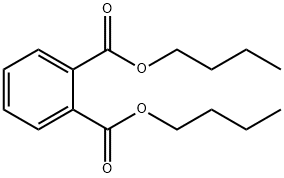
Astaxanthin mitigates dibutyl phthalate-induced thyroid hormone disruption in zebrafish larvae via multi-target regulation

IF 4.4 3区 环境科学与生态学 Q2 BIOCHEMISTRY & MOLECULAR BIOLOGY
Shunyan Yu , Jing Gao , Yongpan Wang , Hao Ji , Weiqiang Huang
{"title":"Astaxanthin mitigates dibutyl phthalate-induced thyroid hormone disruption in zebrafish larvae via multi-target regulation","authors":"Shunyan Yu ,&nbsp;Jing Gao ,&nbsp;Yongpan Wang ,&nbsp;Hao Ji ,&nbsp;Weiqiang Huang","doi":"10.1016/j.cbpc.2025.110371","DOIUrl":null,"url":null,"abstract":"<div><div>Dibutyl phthalate (DBP), a ubiquitous environmental contaminant, has been shown to induce developmental toxicity and thyroid hormone disruption in aquatic organisms. In this study, we evaluated the protective effects of the natural astaxanthin (AST) against DBP-induced toxicity in early-life stage zebrafish. Exposure to DBP (0.1–1 mg/L) significantly impaired embryonic development, reduced body length and weight, and disrupted thyroid hormone homeostasis by decreasing T4 and increasing T3 levels. These effects were accompanied by oxidative stress, inflammation, and dysregulated expression of key genes along the hypothalamic-pituitary-thyroid (HPT) axis, including <em>dio2</em>, <em>tg</em>, <em>crhβ</em>, and <em>tsh</em>. AST supplementation dose-dependently alleviated these developmental and thyroid hormone disruption, restored redox balance and anti-inflammatory responses, and normalized HPT axis gene expression. Molecular docking identified strong binding affinities between AST and core regulatory targets (HSP90AB1, HIF1A, MTOR, NFKB1), demonstrating its multi-target mechanism involving oxidative stress mitigation, metabolic regulation, and immune modulation. These findings provide new insight into AST's protective role against endocrine-disrupting pollutants and suggest its potential application in aquatic toxicology and human health.</div></div>","PeriodicalId":10602,"journal":{"name":"Comparative Biochemistry and Physiology C-toxicology & Pharmacology","volume":"299 ","pages":"Article 110371"},"PeriodicalIF":4.4000,"publicationDate":"2026-01-01","publicationTypes":"Journal Article","fieldsOfStudy":null,"isOpenAccess":false,"openAccessPdf":"","citationCount":"0","resultStr":null,"platform":"Semanticscholar","paperid":null,"PeriodicalName":"Comparative Biochemistry and Physiology C-toxicology & Pharmacology","FirstCategoryId":"93","ListUrlMain":"https://www.sciencedirect.com/science/article/pii/S1532045625002522","RegionNum":3,"RegionCategory":"环境科学与生态学","ArticlePicture":[],"TitleCN":null,"AbstractTextCN":null,"PMCID":null,"EPubDate":"2025/10/11 0:00:00","PubModel":"Epub","JCR":"Q2","JCRName":"BIOCHEMISTRY & MOLECULAR BIOLOGY","Score":null,"Total":0}
引用次数: 0

Abstract

Dibutyl phthalate (DBP), a ubiquitous environmental contaminant, has been shown to induce developmental toxicity and thyroid hormone disruption in aquatic organisms. In this study, we evaluated the protective effects of the natural astaxanthin (AST) against DBP-induced toxicity in early-life stage zebrafish. Exposure to DBP (0.1–1 mg/L) significantly impaired embryonic development, reduced body length and weight, and disrupted thyroid hormone homeostasis by decreasing T4 and increasing T3 levels. These effects were accompanied by oxidative stress, inflammation, and dysregulated expression of key genes along the hypothalamic-pituitary-thyroid (HPT) axis, including dio2, tg, crhβ, and tsh. AST supplementation dose-dependently alleviated these developmental and thyroid hormone disruption, restored redox balance and anti-inflammatory responses, and normalized HPT axis gene expression. Molecular docking identified strong binding affinities between AST and core regulatory targets (HSP90AB1, HIF1A, MTOR, NFKB1), demonstrating its multi-target mechanism involving oxidative stress mitigation, metabolic regulation, and immune modulation. These findings provide new insight into AST's protective role against endocrine-disrupting pollutants and suggest its potential application in aquatic toxicology and human health.

Abstract Image

虾青素通过多靶点调节减轻邻苯二甲酸二丁酯诱导的斑马鱼幼体甲状腺激素紊乱。
邻苯二甲酸二丁酯(DBP)是一种普遍存在的环境污染物,已被证明可引起水生生物的发育毒性和甲状腺激素紊乱。在这项研究中,我们评估了天然虾青素(AST)对dbp诱导的早期斑马鱼毒性的保护作用。暴露于DBP(0.1-1 mg/L)显著影响胚胎发育,降低体长和体重,并通过降低T4和增加T3水平扰乱甲状腺激素稳态。这些影响伴随着氧化应激、炎症和沿下丘脑-垂体-甲状腺(HPT)轴的关键基因表达失调,包括dio2、tg、crhβ和tsh。补充AST可以剂量依赖性地缓解这些发育和甲状腺激素紊乱,恢复氧化还原平衡和抗炎反应,并使HPT轴基因表达正常化。分子对接发现AST与核心调控靶点(HSP90AB1、HIF1A、MTOR、NFKB1)之间具有很强的结合亲和性,证明其多靶点机制涉及氧化应激缓解、代谢调节和免疫调节。这些发现为AST对内分泌干扰污染物的保护作用提供了新的认识,并提示其在水生毒理学和人类健康方面的潜在应用。
本文章由计算机程序翻译,如有差异,请以英文原文为准。
求助全文
约1分钟内获得全文 求助全文
来源期刊
CiteScore
7.50
自引率
5.10%
发文量
206
审稿时长
30 days
期刊介绍: Part C: Toxicology and Pharmacology. This journal is concerned with chemical and drug action at different levels of organization, biotransformation of xenobiotics, mechanisms of toxicity, including reactive oxygen species and carcinogenesis, endocrine disruptors, natural products chemistry, and signal transduction with a molecular approach to these fields.
文献相关原料
原料信息
原料厂家
1
ROS detection kit
2
primers
3
CAT ELISA kit
4
GSH ELISA kit
5
IL-1β ELISA kit
6
IL-6 ELISA kit
7
MDA ELISA kit
8
SOD ELISA kit
9
T3 ELISA kit
10
T4 ELISA kit
11
TNF-α ELISA kit
12
PrimeScript RT Master Mix
13
TB Green Premix Ex Taq II
14
22
Astaxanthin
472-61-7
¥41.00-¥41408.00
15
22
Dibutyl phthalate
84-74-2
¥20.00-¥5000.00
×
引用
GB/T 7714-2015
复制
MLA
复制
APA
复制
导出至
BibTeX EndNote RefMan NoteFirst NoteExpress
×
提示
您的信息不完整,为了账户安全,请先补充。
现在去补充
×
提示
您因"违规操作"
具体请查看互助需知
我知道了
×
提示
确定
请完成安全验证×
copy
已复制链接
快去分享给好友吧!
我知道了
右上角分享
点击右上角分享
0
联系我们:info@booksci.cn Book学术提供免费学术资源搜索服务,方便国内外学者检索中英文文献。致力于提供最便捷和优质的服务体验。 Copyright © 2023 布克学术 All rights reserved.
京ICP备2023020795号-1
ghs 京公网安备 11010802042870号
Book学术文献互助
Book学术文献互助群
群 号:604180095
Book学术官方微信
小红书