{"title":"【探索人体脏腑经络图的绘制与演变】。","authors":"S Y Cui, P Liu","doi":"10.3760/cma.j.cn112155-20250615-00094","DOIUrl":null,"url":null,"abstract":"<p><p>Human body diagrams of Zang-Fu organs and meridians are believed to be vehicles to visualise traditional Chinese medicine theories. Their drawing methods and content evolution indicate the interaction among anatomical knowledge, medical theories, and cultural cognition. This paper examined <i>Chan Jing</i>, <i>Tong Ren Shu Xue Zhen Jiu Tu Jing</i>, <i>Cun Zhen Huan Zhong Tu</i>, and <i>Shang Han Lun Da Fang Tu Jie</i> and explored their evolution process. It was found that the diagrams in <i>Chan Jing</i> focused on the \"theory of fetal nourishment\", influenced by the Five Elements theory and the concept of the interaction between heaven and humanity in the Han Dynasty. The diagrams in <i>Tong Ren Shu Xue Zhen Jiu Tu Jing</i> centered on the theory of meridians and explained acupuncture taboos with Zang-Fu organ metaphors. <i>Cun Zhen Huan Zhong Tu</i> was drawn based on execution of ground autopsies but revised according to classical texts. <i>Shang Han Lun Da Fang Tu Jie</i>, however, is oriented toward the application of formulas, with its illustrations rendered in a simplified and schematic manner. In the late Qing Dynasty, influenced by Western medical atlases, the illustrative style of traditional Chinese visceral diagrams shifted, and anatomical-style visceral diagrams became mainstream.. This study uncovered the characteristics of these diagrams. They preferred theoretical explication to morphological depiction, and constructed the underlying drawing rationale guided by interpreting classical traditional Chinese medicine texts and combining anatomical knowledge, providing new perspectives for understanding traditional Chinese medicine theories.</p>","PeriodicalId":35995,"journal":{"name":"中华医史杂志","volume":"56 5","pages":"278-284"},"PeriodicalIF":0.0000,"publicationDate":"2026-09-28","publicationTypes":"Journal Article","fieldsOfStudy":null,"isOpenAccess":false,"openAccessPdf":"","citationCount":"0","resultStr":"{\"title\":\"[Exploring the drawings and the evolution of human body diagrams about Zang-Fu organs and meridians].\",\"authors\":\"S Y Cui, P Liu\",\"doi\":\"10.3760/cma.j.cn112155-20250615-00094\",\"DOIUrl\":null,\"url\":null,\"abstract\":\"<p><p>Human body diagrams of Zang-Fu organs and meridians are believed to be vehicles to visualise traditional Chinese medicine theories. Their drawing methods and content evolution indicate the interaction among anatomical knowledge, medical theories, and cultural cognition. This paper examined <i>Chan Jing</i>, <i>Tong Ren Shu Xue Zhen Jiu Tu Jing</i>, <i>Cun Zhen Huan Zhong Tu</i>, and <i>Shang Han Lun Da Fang Tu Jie</i> and explored their evolution process. It was found that the diagrams in <i>Chan Jing</i> focused on the \\\"theory of fetal nourishment\\\", influenced by the Five Elements theory and the concept of the interaction between heaven and humanity in the Han Dynasty. The diagrams in <i>Tong Ren Shu Xue Zhen Jiu Tu Jing</i> centered on the theory of meridians and explained acupuncture taboos with Zang-Fu organ metaphors. <i>Cun Zhen Huan Zhong Tu</i> was drawn based on execution of ground autopsies but revised according to classical texts. <i>Shang Han Lun Da Fang Tu Jie</i>, however, is oriented toward the application of formulas, with its illustrations rendered in a simplified and schematic manner. In the late Qing Dynasty, influenced by Western medical atlases, the illustrative style of traditional Chinese visceral diagrams shifted, and anatomical-style visceral diagrams became mainstream.. This study uncovered the characteristics of these diagrams. They preferred theoretical explication to morphological depiction, and constructed the underlying drawing rationale guided by interpreting classical traditional Chinese medicine texts and combining anatomical knowledge, providing new perspectives for understanding traditional Chinese medicine theories.</p>\",\"PeriodicalId\":35995,\"journal\":{\"name\":\"中华医史杂志\",\"volume\":\"56 5\",\"pages\":\"278-284\"},\"PeriodicalIF\":0.0000,\"publicationDate\":\"2026-09-28\",\"publicationTypes\":\"Journal Article\",\"fieldsOfStudy\":null,\"isOpenAccess\":false,\"openAccessPdf\":\"\",\"citationCount\":\"0\",\"resultStr\":null,\"platform\":\"Semanticscholar\",\"paperid\":null,\"PeriodicalName\":\"中华医史杂志\",\"FirstCategoryId\":\"1090\",\"ListUrlMain\":\"https://doi.org/10.3760/cma.j.cn112155-20250615-00094\",\"RegionNum\":0,\"RegionCategory\":null,\"ArticlePicture\":[],\"TitleCN\":null,\"AbstractTextCN\":null,\"PMCID\":null,\"EPubDate\":\"\",\"PubModel\":\"\",\"JCR\":\"Q4\",\"JCRName\":\"Medicine\",\"Score\":null,\"Total\":0}","platform":"Semanticscholar","paperid":null,"PeriodicalName":"中华医史杂志","FirstCategoryId":"1090","ListUrlMain":"https://doi.org/10.3760/cma.j.cn112155-20250615-00094","RegionNum":0,"RegionCategory":null,"ArticlePicture":[],"TitleCN":null,"AbstractTextCN":null,"PMCID":null,"EPubDate":"","PubModel":"","JCR":"Q4","JCRName":"Medicine","Score":null,"Total":0}
[Exploring the drawings and the evolution of human body diagrams about Zang-Fu organs and meridians].
Human body diagrams of Zang-Fu organs and meridians are believed to be vehicles to visualise traditional Chinese medicine theories. Their drawing methods and content evolution indicate the interaction among anatomical knowledge, medical theories, and cultural cognition. This paper examined Chan Jing, Tong Ren Shu Xue Zhen Jiu Tu Jing, Cun Zhen Huan Zhong Tu, and Shang Han Lun Da Fang Tu Jie and explored their evolution process. It was found that the diagrams in Chan Jing focused on the "theory of fetal nourishment", influenced by the Five Elements theory and the concept of the interaction between heaven and humanity in the Han Dynasty. The diagrams in Tong Ren Shu Xue Zhen Jiu Tu Jing centered on the theory of meridians and explained acupuncture taboos with Zang-Fu organ metaphors. Cun Zhen Huan Zhong Tu was drawn based on execution of ground autopsies but revised according to classical texts. Shang Han Lun Da Fang Tu Jie, however, is oriented toward the application of formulas, with its illustrations rendered in a simplified and schematic manner. In the late Qing Dynasty, influenced by Western medical atlases, the illustrative style of traditional Chinese visceral diagrams shifted, and anatomical-style visceral diagrams became mainstream.. This study uncovered the characteristics of these diagrams. They preferred theoretical explication to morphological depiction, and constructed the underlying drawing rationale guided by interpreting classical traditional Chinese medicine texts and combining anatomical knowledge, providing new perspectives for understanding traditional Chinese medicine theories.
期刊介绍:
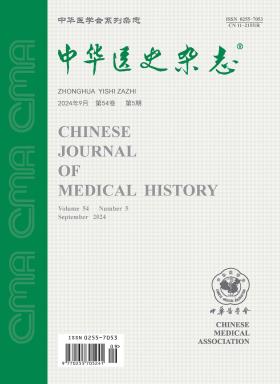
The Chinese Journal of Medical History is the only professional academic journal on medical history in the country. The first publication was named "Journal of Medical History" and was designated as a quarterly publication. In 2009, it was changed from quarterly to bimonthly.
The Chinese Journal of Medical History has columns such as special articles, reviews, expert talks, medical history treatises, literature research, forums and debates, historical accounts, figures, short essays, graduate forums, lectures, historical materials, medical history, and book reviews.
Chinese Journal of Medical History has been included in the US Medline online database.

 求助内容:
 应助结果提醒方式:


 京公网安备 11010802042870号


