{"title":"[中西医萎缩性鼻炎病名与中医概念渊源的比较]。","authors":"X Y Gao, M Hong","doi":"10.3760/cma.j.cn112155-20260326-00049","DOIUrl":null,"url":null,"abstract":"<p><p>Withered Nose (Bi Gao) is a modern name for dry nose drawn from classical traditional Chinese medicine texts, for the condition atrophic rhinitis. Based on these texts before the Tang Dynasty, dry nose and its relevant symptoms were not identified as a single disease. Withered Nose was recorded in <i>the Huangdi's Inner Canon (Huangdi Neijing)</i> and <i>Classic of Difficult Issues (Nan Jing),</i> but referred to external nasal desiccation due to acute heat illness, having nothing to do with atrophic rhinitis. The symptoms such as \"dry nose without nasal discharge\" and \"dry nose \" were reduced to independent conditions in the Song Dynasty. \"Foul-smelling nose\" (Bi Chou) also became a distinct ailment in the Ming and Qing Dynasties. Almost all of these conditions showed partly features of atrophic rhinitis, but not relatively full characteristics of the disease. Since modern times, atrophic rhinitis in traditional Chinese medicine was named with successive descriptions, such as \"blocked nose\" (Sai Bi), \"profuse turbid nasal discharge\" (Bi Yuan), and \"kong nao sha\". Until the 1970s, \"withered nose\" was confirmed as the definitive term. This article proposed that \"Bi Wei\" is a more appropriate term than \"withered nose\", based on terminology theory and clinical practice in both traditional Chinese medicine and Western medicine, clarifying the conceptual origins and nomenclature evolution of atrophic rhinitis in TCM. This provides theoretical support for establishing a comprehensive history of the disease and future scientific investigations.</p>","PeriodicalId":35995,"journal":{"name":"中华医史杂志","volume":"56 5","pages":"272-277"},"PeriodicalIF":0.0000,"publicationDate":"2026-09-28","publicationTypes":"Journal Article","fieldsOfStudy":null,"isOpenAccess":false,"openAccessPdf":"","citationCount":"0","resultStr":"{\"title\":\"[The Comparison of disease names of Atrophic Rhinitis between TCM and Western Medicine with TCM concept filiation].\",\"authors\":\"X Y Gao, M Hong\",\"doi\":\"10.3760/cma.j.cn112155-20260326-00049\",\"DOIUrl\":null,\"url\":null,\"abstract\":\"<p><p>Withered Nose (Bi Gao) is a modern name for dry nose drawn from classical traditional Chinese medicine texts, for the condition atrophic rhinitis. Based on these texts before the Tang Dynasty, dry nose and its relevant symptoms were not identified as a single disease. Withered Nose was recorded in <i>the Huangdi's Inner Canon (Huangdi Neijing)</i> and <i>Classic of Difficult Issues (Nan Jing),</i> but referred to external nasal desiccation due to acute heat illness, having nothing to do with atrophic rhinitis. The symptoms such as \\\"dry nose without nasal discharge\\\" and \\\"dry nose \\\" were reduced to independent conditions in the Song Dynasty. \\\"Foul-smelling nose\\\" (Bi Chou) also became a distinct ailment in the Ming and Qing Dynasties. Almost all of these conditions showed partly features of atrophic rhinitis, but not relatively full characteristics of the disease. Since modern times, atrophic rhinitis in traditional Chinese medicine was named with successive descriptions, such as \\\"blocked nose\\\" (Sai Bi), \\\"profuse turbid nasal discharge\\\" (Bi Yuan), and \\\"kong nao sha\\\". Until the 1970s, \\\"withered nose\\\" was confirmed as the definitive term. This article proposed that \\\"Bi Wei\\\" is a more appropriate term than \\\"withered nose\\\", based on terminology theory and clinical practice in both traditional Chinese medicine and Western medicine, clarifying the conceptual origins and nomenclature evolution of atrophic rhinitis in TCM. This provides theoretical support for establishing a comprehensive history of the disease and future scientific investigations.</p>\",\"PeriodicalId\":35995,\"journal\":{\"name\":\"中华医史杂志\",\"volume\":\"56 5\",\"pages\":\"272-277\"},\"PeriodicalIF\":0.0000,\"publicationDate\":\"2026-09-28\",\"publicationTypes\":\"Journal Article\",\"fieldsOfStudy\":null,\"isOpenAccess\":false,\"openAccessPdf\":\"\",\"citationCount\":\"0\",\"resultStr\":null,\"platform\":\"Semanticscholar\",\"paperid\":null,\"PeriodicalName\":\"中华医史杂志\",\"FirstCategoryId\":\"1090\",\"ListUrlMain\":\"https://doi.org/10.3760/cma.j.cn112155-20260326-00049\",\"RegionNum\":0,\"RegionCategory\":null,\"ArticlePicture\":[],\"TitleCN\":null,\"AbstractTextCN\":null,\"PMCID\":null,\"EPubDate\":\"\",\"PubModel\":\"\",\"JCR\":\"Q4\",\"JCRName\":\"Medicine\",\"Score\":null,\"Total\":0}","platform":"Semanticscholar","paperid":null,"PeriodicalName":"中华医史杂志","FirstCategoryId":"1090","ListUrlMain":"https://doi.org/10.3760/cma.j.cn112155-20260326-00049","RegionNum":0,"RegionCategory":null,"ArticlePicture":[],"TitleCN":null,"AbstractTextCN":null,"PMCID":null,"EPubDate":"","PubModel":"","JCR":"Q4","JCRName":"Medicine","Score":null,"Total":0}
[The Comparison of disease names of Atrophic Rhinitis between TCM and Western Medicine with TCM concept filiation].
Withered Nose (Bi Gao) is a modern name for dry nose drawn from classical traditional Chinese medicine texts, for the condition atrophic rhinitis. Based on these texts before the Tang Dynasty, dry nose and its relevant symptoms were not identified as a single disease. Withered Nose was recorded in the Huangdi's Inner Canon (Huangdi Neijing) and Classic of Difficult Issues (Nan Jing), but referred to external nasal desiccation due to acute heat illness, having nothing to do with atrophic rhinitis. The symptoms such as "dry nose without nasal discharge" and "dry nose " were reduced to independent conditions in the Song Dynasty. "Foul-smelling nose" (Bi Chou) also became a distinct ailment in the Ming and Qing Dynasties. Almost all of these conditions showed partly features of atrophic rhinitis, but not relatively full characteristics of the disease. Since modern times, atrophic rhinitis in traditional Chinese medicine was named with successive descriptions, such as "blocked nose" (Sai Bi), "profuse turbid nasal discharge" (Bi Yuan), and "kong nao sha". Until the 1970s, "withered nose" was confirmed as the definitive term. This article proposed that "Bi Wei" is a more appropriate term than "withered nose", based on terminology theory and clinical practice in both traditional Chinese medicine and Western medicine, clarifying the conceptual origins and nomenclature evolution of atrophic rhinitis in TCM. This provides theoretical support for establishing a comprehensive history of the disease and future scientific investigations.
期刊介绍:
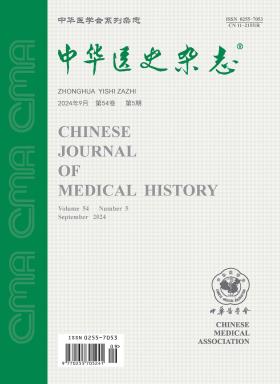
The Chinese Journal of Medical History is the only professional academic journal on medical history in the country. The first publication was named "Journal of Medical History" and was designated as a quarterly publication. In 2009, it was changed from quarterly to bimonthly.
The Chinese Journal of Medical History has columns such as special articles, reviews, expert talks, medical history treatises, literature research, forums and debates, historical accounts, figures, short essays, graduate forums, lectures, historical materials, medical history, and book reviews.
Chinese Journal of Medical History has been included in the US Medline online database.

 求助内容:
 应助结果提醒方式:


 京公网安备 11010802042870号


