{"title":"[1920 ~ 1983年上海市饮用水漂白粉消毒技术]。","authors":"Y Yang, S M Song","doi":"10.3760/cma.j.cn112155-20240619-00085","DOIUrl":null,"url":null,"abstract":"<p><p>Bleaching powder served as the primary disinfectant for drinking water in both urban and rural areas in Shanghai from 1920 to 1983, particularly in rural regions. The liquid chlorine disinfection was introduced by the Yangshupu Water Plant in 1920, marking the inception of chlorination disinfection practice in China. The measures for a drinking water sanitation management framework, taken by the Shanghai health administrative authorities in the late 1920s, laid the foundation for the widespread adoption of bleaching powder. Bleaching powder was extensively applied to public water sources including wells and riverbanks against cholera during the 1930s. In terms of technological practice, bleaching powder was used directly as powder, then gradually improved as liquid, followed by chlorine bleach tablets. After that, two chlorination methods were developed: single-dose chlorination and continuous chlorination in order to solve problems such as poor stability, excessive residue and inaccurate dosing. The driving force for the use of bleaching powder and epidemic prevention was technology dissemination to support public health led by the government. Bleaching powder disinfection represented a pivotal shift from traditional empirical approaches to modern chemical treatment of decentralized drinking water systems in Shanghai, meeting the practical demands for stability, convenience and safety.</p>","PeriodicalId":35995,"journal":{"name":"中华医史杂志","volume":"56 4","pages":"236-240"},"PeriodicalIF":0.0000,"publicationDate":"2026-07-28","publicationTypes":"Journal Article","fieldsOfStudy":null,"isOpenAccess":false,"openAccessPdf":"","citationCount":"0","resultStr":"{\"title\":\"[The disinfection technology with bleaching powder for drinking water in Shanghai from 1920 to 1983].\",\"authors\":\"Y Yang, S M Song\",\"doi\":\"10.3760/cma.j.cn112155-20240619-00085\",\"DOIUrl\":null,\"url\":null,\"abstract\":\"<p><p>Bleaching powder served as the primary disinfectant for drinking water in both urban and rural areas in Shanghai from 1920 to 1983, particularly in rural regions. The liquid chlorine disinfection was introduced by the Yangshupu Water Plant in 1920, marking the inception of chlorination disinfection practice in China. The measures for a drinking water sanitation management framework, taken by the Shanghai health administrative authorities in the late 1920s, laid the foundation for the widespread adoption of bleaching powder. Bleaching powder was extensively applied to public water sources including wells and riverbanks against cholera during the 1930s. In terms of technological practice, bleaching powder was used directly as powder, then gradually improved as liquid, followed by chlorine bleach tablets. After that, two chlorination methods were developed: single-dose chlorination and continuous chlorination in order to solve problems such as poor stability, excessive residue and inaccurate dosing. The driving force for the use of bleaching powder and epidemic prevention was technology dissemination to support public health led by the government. Bleaching powder disinfection represented a pivotal shift from traditional empirical approaches to modern chemical treatment of decentralized drinking water systems in Shanghai, meeting the practical demands for stability, convenience and safety.</p>\",\"PeriodicalId\":35995,\"journal\":{\"name\":\"中华医史杂志\",\"volume\":\"56 4\",\"pages\":\"236-240\"},\"PeriodicalIF\":0.0000,\"publicationDate\":\"2026-07-28\",\"publicationTypes\":\"Journal Article\",\"fieldsOfStudy\":null,\"isOpenAccess\":false,\"openAccessPdf\":\"\",\"citationCount\":\"0\",\"resultStr\":null,\"platform\":\"Semanticscholar\",\"paperid\":null,\"PeriodicalName\":\"中华医史杂志\",\"FirstCategoryId\":\"1090\",\"ListUrlMain\":\"https://doi.org/10.3760/cma.j.cn112155-20240619-00085\",\"RegionNum\":0,\"RegionCategory\":null,\"ArticlePicture\":[],\"TitleCN\":null,\"AbstractTextCN\":null,\"PMCID\":null,\"EPubDate\":\"\",\"PubModel\":\"\",\"JCR\":\"Q4\",\"JCRName\":\"Medicine\",\"Score\":null,\"Total\":0}","platform":"Semanticscholar","paperid":null,"PeriodicalName":"中华医史杂志","FirstCategoryId":"1090","ListUrlMain":"https://doi.org/10.3760/cma.j.cn112155-20240619-00085","RegionNum":0,"RegionCategory":null,"ArticlePicture":[],"TitleCN":null,"AbstractTextCN":null,"PMCID":null,"EPubDate":"","PubModel":"","JCR":"Q4","JCRName":"Medicine","Score":null,"Total":0}
[The disinfection technology with bleaching powder for drinking water in Shanghai from 1920 to 1983].
Bleaching powder served as the primary disinfectant for drinking water in both urban and rural areas in Shanghai from 1920 to 1983, particularly in rural regions. The liquid chlorine disinfection was introduced by the Yangshupu Water Plant in 1920, marking the inception of chlorination disinfection practice in China. The measures for a drinking water sanitation management framework, taken by the Shanghai health administrative authorities in the late 1920s, laid the foundation for the widespread adoption of bleaching powder. Bleaching powder was extensively applied to public water sources including wells and riverbanks against cholera during the 1930s. In terms of technological practice, bleaching powder was used directly as powder, then gradually improved as liquid, followed by chlorine bleach tablets. After that, two chlorination methods were developed: single-dose chlorination and continuous chlorination in order to solve problems such as poor stability, excessive residue and inaccurate dosing. The driving force for the use of bleaching powder and epidemic prevention was technology dissemination to support public health led by the government. Bleaching powder disinfection represented a pivotal shift from traditional empirical approaches to modern chemical treatment of decentralized drinking water systems in Shanghai, meeting the practical demands for stability, convenience and safety.
期刊介绍:
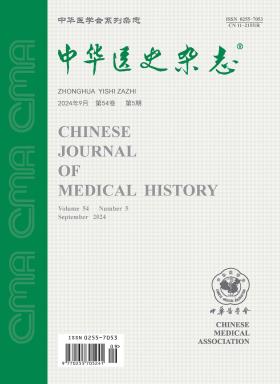
The Chinese Journal of Medical History is the only professional academic journal on medical history in the country. The first publication was named "Journal of Medical History" and was designated as a quarterly publication. In 2009, it was changed from quarterly to bimonthly.
The Chinese Journal of Medical History has columns such as special articles, reviews, expert talks, medical history treatises, literature research, forums and debates, historical accounts, figures, short essays, graduate forums, lectures, historical materials, medical history, and book reviews.
Chinese Journal of Medical History has been included in the US Medline online database.

 求助内容:
 应助结果提醒方式:


 京公网安备 11010802042870号


