{"title":"挑战面对面的沟通在临床伦理学:自闭症作为一个说明性的案例。","authors":"Junguo Zhang","doi":"10.1080/15265161.2026.2710272","DOIUrl":null,"url":null,"abstract":"<p><p>This paper examines the ethical status of face-to-face communication in clinical practice, using autism as an illustrative case. Drawing on phenomenological accounts of embodiment and first-person descriptions of autistic experience, it argues that face-to-face interaction-characterized by immediacy, multimodality, and unpredictability-can impose significant perceptual and cognitive burdens on autistic patients. Digitally mediated communication, by contrast, provides greater temporal flexibility, semiotic stability, and user control, thereby reducing communicative pressure and supporting more accessible participation. Reframing communication through the principles of autonomy, non-maleficence, and relational care, the paper argues that communicative practices should be understood as context-sensitive and responsive to patients' perceptual conditions rather than governed by a default preference for face-to-face interaction. It concludes that presence should be reconceptualized as a relational achievement grounded in responsiveness rather than physical co-presence alone, with implications for how ethical communication in clinical care is understood.</p>","PeriodicalId":50962,"journal":{"name":"American Journal of Bioethics","volume":" ","pages":"1-12"},"PeriodicalIF":17.6000,"publicationDate":"2026-08-11","publicationTypes":"Journal Article","fieldsOfStudy":null,"isOpenAccess":false,"openAccessPdf":"","citationCount":"0","resultStr":"{\"title\":\"Challenging Face-to-Face Communication in Clinical Ethics: Autism as an Illustrative Case.\",\"authors\":\"Junguo Zhang\",\"doi\":\"10.1080/15265161.2026.2710272\",\"DOIUrl\":null,\"url\":null,\"abstract\":\"<p><p>This paper examines the ethical status of face-to-face communication in clinical practice, using autism as an illustrative case. Drawing on phenomenological accounts of embodiment and first-person descriptions of autistic experience, it argues that face-to-face interaction-characterized by immediacy, multimodality, and unpredictability-can impose significant perceptual and cognitive burdens on autistic patients. Digitally mediated communication, by contrast, provides greater temporal flexibility, semiotic stability, and user control, thereby reducing communicative pressure and supporting more accessible participation. Reframing communication through the principles of autonomy, non-maleficence, and relational care, the paper argues that communicative practices should be understood as context-sensitive and responsive to patients' perceptual conditions rather than governed by a default preference for face-to-face interaction. It concludes that presence should be reconceptualized as a relational achievement grounded in responsiveness rather than physical co-presence alone, with implications for how ethical communication in clinical care is understood.</p>\",\"PeriodicalId\":50962,\"journal\":{\"name\":\"American Journal of Bioethics\",\"volume\":\" \",\"pages\":\"1-12\"},\"PeriodicalIF\":17.6000,\"publicationDate\":\"2026-08-11\",\"publicationTypes\":\"Journal Article\",\"fieldsOfStudy\":null,\"isOpenAccess\":false,\"openAccessPdf\":\"\",\"citationCount\":\"0\",\"resultStr\":null,\"platform\":\"Semanticscholar\",\"paperid\":null,\"PeriodicalName\":\"American Journal of Bioethics\",\"FirstCategoryId\":\"98\",\"ListUrlMain\":\"https://doi.org/10.1080/15265161.2026.2710272\",\"RegionNum\":1,\"RegionCategory\":\"哲学\",\"ArticlePicture\":[],\"TitleCN\":null,\"AbstractTextCN\":null,\"PMCID\":null,\"EPubDate\":\"\",\"PubModel\":\"\",\"JCR\":\"Q1\",\"JCRName\":\"ETHICS\",\"Score\":null,\"Total\":0}","platform":"Semanticscholar","paperid":null,"PeriodicalName":"American Journal of Bioethics","FirstCategoryId":"98","ListUrlMain":"https://doi.org/10.1080/15265161.2026.2710272","RegionNum":1,"RegionCategory":"哲学","ArticlePicture":[],"TitleCN":null,"AbstractTextCN":null,"PMCID":null,"EPubDate":"","PubModel":"","JCR":"Q1","JCRName":"ETHICS","Score":null,"Total":0}
Challenging Face-to-Face Communication in Clinical Ethics: Autism as an Illustrative Case.
This paper examines the ethical status of face-to-face communication in clinical practice, using autism as an illustrative case. Drawing on phenomenological accounts of embodiment and first-person descriptions of autistic experience, it argues that face-to-face interaction-characterized by immediacy, multimodality, and unpredictability-can impose significant perceptual and cognitive burdens on autistic patients. Digitally mediated communication, by contrast, provides greater temporal flexibility, semiotic stability, and user control, thereby reducing communicative pressure and supporting more accessible participation. Reframing communication through the principles of autonomy, non-maleficence, and relational care, the paper argues that communicative practices should be understood as context-sensitive and responsive to patients' perceptual conditions rather than governed by a default preference for face-to-face interaction. It concludes that presence should be reconceptualized as a relational achievement grounded in responsiveness rather than physical co-presence alone, with implications for how ethical communication in clinical care is understood.
期刊介绍:
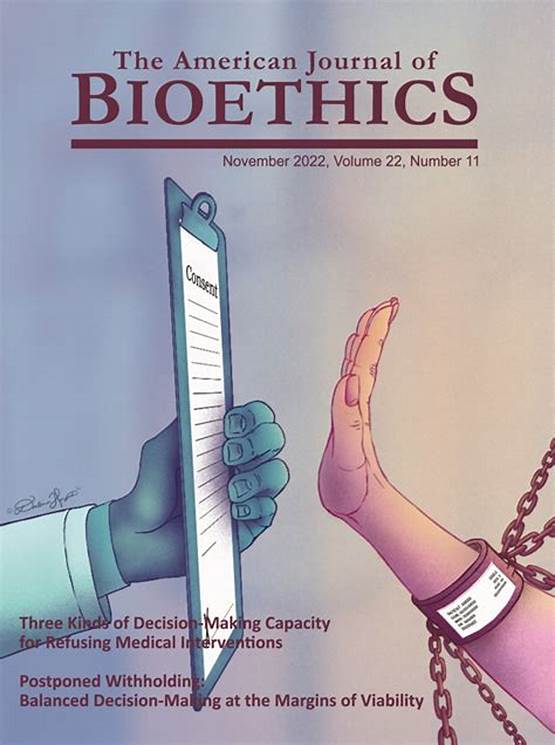
The American Journal of Bioethics (AJOB) is a renowned global publication focused on bioethics. It tackles pressing ethical challenges in the realm of health sciences.
With a commitment to the original vision of bioethics, AJOB explores the social consequences of advancements in biomedicine. It sparks meaningful discussions that have proved invaluable to a wide range of professionals, including judges, senators, journalists, scholars, and educators.
AJOB covers various areas of interest, such as the ethical implications of clinical research, ensuring access to healthcare services, and the responsible handling of medical records and data.
The journal welcomes contributions in the form of target articles presenting original research, open peer commentaries facilitating a dialogue, book reviews, and responses to open peer commentaries.
By presenting insightful and authoritative content, AJOB continues to shape the field of bioethics and engage diverse stakeholders in crucial conversations about the intersection of medicine, ethics, and society.

 求助内容:
 应助结果提醒方式:


 京公网安备 11010802042870号


