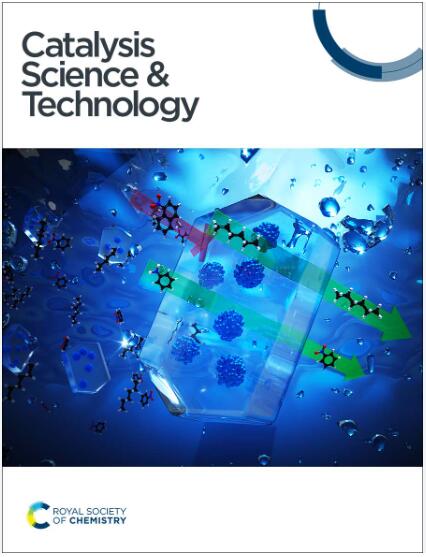
Ju Young Kim , Seung Gun Kim , Jisong Kang , Jae-Wook Choi , Chun-Jae Yoo , Chang Soo Kim , Kyeongsu Kim , Seongmin Jin , Hyunjoo Lee , Kwang Ho Song , Jungkyu Choi , Dalsu Choi , Jeong-Myeong Ha
{"title":"热处理聚氯乙烯(PVC)衍生的高微孔碳载体:在加氢处理催化中的应用","authors":"Ju Young Kim , Seung Gun Kim , Jisong Kang , Jae-Wook Choi , Chun-Jae Yoo , Chang Soo Kim , Kyeongsu Kim , Seongmin Jin , Hyunjoo Lee , Kwang Ho Song , Jungkyu Choi , Dalsu Choi , Jeong-Myeong Ha","doi":"10.1039/d5cy01613d","DOIUrl":null,"url":null,"abstract":"<div><div>Chemical recycling of polyvinyl chloride (PVC) <em>via</em> depolymerization is more challenging than that of polyolefins because hydrogen chloride forms during thermal degradation. The thermal degradation of PVC yields a solid residue after dehydrochlorination, which, upon KOH treatment at 800 °C, produces a highly microporous carbon material with a maximum BET surface area of 3273 m<sup>2</sup> g<sup>−1</sup>. A ruthenium catalyst supported on this PVC-derived carbon exhibits high catalytic activity for the hydrodeoxygenation of guaiacol. The highly microporous carbon support prepared in this study serves as a valuable upcycled product for various applications.</div></div>","PeriodicalId":66,"journal":{"name":"Catalysis Science & Technology","volume":"16 9","pages":"Pages 3280-3287"},"PeriodicalIF":4.0000,"publicationDate":"2026-05-19","publicationTypes":"Journal Article","fieldsOfStudy":null,"isOpenAccess":false,"openAccessPdf":"","citationCount":"0","resultStr":"{\"title\":\"Thermally treated polyvinyl chloride (PVC)-derived highly microporous carbon support: applications in hydrotreating catalysis\",\"authors\":\"Ju Young Kim , Seung Gun Kim , Jisong Kang , Jae-Wook Choi , Chun-Jae Yoo , Chang Soo Kim , Kyeongsu Kim , Seongmin Jin , Hyunjoo Lee , Kwang Ho Song , Jungkyu Choi , Dalsu Choi , Jeong-Myeong Ha\",\"doi\":\"10.1039/d5cy01613d\",\"DOIUrl\":null,\"url\":null,\"abstract\":\"<div><div>Chemical recycling of polyvinyl chloride (PVC) <em>via</em> depolymerization is more challenging than that of polyolefins because hydrogen chloride forms during thermal degradation. The thermal degradation of PVC yields a solid residue after dehydrochlorination, which, upon KOH treatment at 800 °C, produces a highly microporous carbon material with a maximum BET surface area of 3273 m<sup>2</sup> g<sup>−1</sup>. A ruthenium catalyst supported on this PVC-derived carbon exhibits high catalytic activity for the hydrodeoxygenation of guaiacol. The highly microporous carbon support prepared in this study serves as a valuable upcycled product for various applications.</div></div>\",\"PeriodicalId\":66,\"journal\":{\"name\":\"Catalysis Science & Technology\",\"volume\":\"16 9\",\"pages\":\"Pages 3280-3287\"},\"PeriodicalIF\":4.0000,\"publicationDate\":\"2026-05-19\",\"publicationTypes\":\"Journal Article\",\"fieldsOfStudy\":null,\"isOpenAccess\":false,\"openAccessPdf\":\"\",\"citationCount\":\"0\",\"resultStr\":null,\"platform\":\"Semanticscholar\",\"paperid\":null,\"PeriodicalName\":\"Catalysis Science & Technology\",\"FirstCategoryId\":\"92\",\"ListUrlMain\":\"https://www.sciencedirect.com/org/science/article/pii/S2044475326001632\",\"RegionNum\":3,\"RegionCategory\":\"化学\",\"ArticlePicture\":[],\"TitleCN\":null,\"AbstractTextCN\":null,\"PMCID\":null,\"EPubDate\":\"2026/4/21 0:00:00\",\"PubModel\":\"Epub\",\"JCR\":\"Q2\",\"JCRName\":\"CHEMISTRY, PHYSICAL\",\"Score\":null,\"Total\":0}","platform":"Semanticscholar","paperid":null,"PeriodicalName":"Catalysis Science & Technology","FirstCategoryId":"92","ListUrlMain":"https://www.sciencedirect.com/org/science/article/pii/S2044475326001632","RegionNum":3,"RegionCategory":"化学","ArticlePicture":[],"TitleCN":null,"AbstractTextCN":null,"PMCID":null,"EPubDate":"2026/4/21 0:00:00","PubModel":"Epub","JCR":"Q2","JCRName":"CHEMISTRY, PHYSICAL","Score":null,"Total":0}
Chemical recycling of polyvinyl chloride (PVC) via depolymerization is more challenging than that of polyolefins because hydrogen chloride forms during thermal degradation. The thermal degradation of PVC yields a solid residue after dehydrochlorination, which, upon KOH treatment at 800 °C, produces a highly microporous carbon material with a maximum BET surface area of 3273 m2 g−1. A ruthenium catalyst supported on this PVC-derived carbon exhibits high catalytic activity for the hydrodeoxygenation of guaiacol. The highly microporous carbon support prepared in this study serves as a valuable upcycled product for various applications.
期刊介绍:
A multidisciplinary journal focusing on cutting edge research across all fundamental science and technological aspects of catalysis.
Editor-in-chief: Bert Weckhuysen
Impact factor: 5.0
Time to first decision (peer reviewed only): 31 days