Golazin Shahbodagh Khan, Shiva Bayat, Reza Azizimalamiri, Mohammad Nikoohemmat, Narges Mashayekhi, Sahar Nabilou, Ali Reza Tavasoli, Mahmoud Reza Ashrafi, Morteza Heidari
{"title":"扩大lyrm7相关线粒体复合物III缺乏症的临床谱:来自新病例和文献综述的见解","authors":"Golazin Shahbodagh Khan, Shiva Bayat, Reza Azizimalamiri, Mohammad Nikoohemmat, Narges Mashayekhi, Sahar Nabilou, Ali Reza Tavasoli, Mahmoud Reza Ashrafi, Morteza Heidari","doi":"10.1007/s12031-026-02527-8","DOIUrl":null,"url":null,"abstract":"<div><p>Mitochondrial complex III (CIII) deficiency, resulting from abnormalities in its subunits or assembly factors, presents with diverse clinical manifestations. LYRM7-associated CIII deficiency is rare and typically presents with progressive neurodegeneration. We report a case series of <i>LYRM7</i>-associated CIII deficiency in two brothers, highlighting inflammatory demyelinating-like presentations, intrafamilial variability, and atypical disease progression. We present an investigational case series highlighting continuing challenges in diagnosing and managing <i>LYRM7</i>-associated mitochondrial complex III deficiency. Whole-exome sequencing (WES) was performed for diagnostic evaluation, followed by confirmatory Sanger sequencing and literature review of previously reported cases. Two brothers from a consanguineous family presented with ataxia, visual impairment, and progressive neurological deterioration including spasticity, seizures, cognitive decline, and motor weakness. Patient 1 (P1) experienced recurrent ataxic episodes beginning at 7 years of age, initially suspected to represent an inflammatory demyelinating disorder, while patient 2 (P2) demonstrated a more aggressive disease course with rapid neurological deterioration and early mortality at 8 years of age. Neuroimaging revealed cystic white matter changes suggestive of mitochondrial leukodystrophy and longitudinally extensive transverse myelitis (LETM) in both patients, differing from typical inflammatory demyelinating patterns. Genetic testing confirmed a pathogenic <i>LYRM7</i> variant. Notably, intrafamilial clinical variability and the inflammatory-like presentation in P1- including LETM and optic neuritis mimicking neuromyelitis optica spectrum disorder (NMOSD)- distinguished our cases from previously reported patients. These findings expand the phenotypic spectrum of <i>LYRM7</i>-associated CIII deficiency and highlight diagnostic challenges. This case series expand the clinical spectrum of <i>LYRM7</i>-associated complex III deficiency and highlights relapsing inflammatory-like presentations as a potential diagnostic pitfall. Our findings emphasize the importance of considering mitochondrial disorders in children presenting with recurrent demyelinating-like episodes, atypical progression, or familial patterns. Early genetic diagnosis is essential for accurate diagnosis, counseling, and management of mitochondrial disorders. </p></div>","PeriodicalId":652,"journal":{"name":"Journal of Molecular Neuroscience","volume":"76 2","pages":""},"PeriodicalIF":2.7000,"publicationDate":"2026-04-30","publicationTypes":"Journal Article","fieldsOfStudy":null,"isOpenAccess":false,"openAccessPdf":"","citationCount":"0","resultStr":"{\"title\":\"Expanding the Clinical Spectrum of LYRM7-Associated Mitochondrial Complex III Deficiency: Insights from New Cases and Literature Review\",\"authors\":\"Golazin Shahbodagh Khan, Shiva Bayat, Reza Azizimalamiri, Mohammad Nikoohemmat, Narges Mashayekhi, Sahar Nabilou, Ali Reza Tavasoli, Mahmoud Reza Ashrafi, Morteza Heidari\",\"doi\":\"10.1007/s12031-026-02527-8\",\"DOIUrl\":null,\"url\":null,\"abstract\":\"<div><p>Mitochondrial complex III (CIII) deficiency, resulting from abnormalities in its subunits or assembly factors, presents with diverse clinical manifestations. LYRM7-associated CIII deficiency is rare and typically presents with progressive neurodegeneration. We report a case series of <i>LYRM7</i>-associated CIII deficiency in two brothers, highlighting inflammatory demyelinating-like presentations, intrafamilial variability, and atypical disease progression. We present an investigational case series highlighting continuing challenges in diagnosing and managing <i>LYRM7</i>-associated mitochondrial complex III deficiency. Whole-exome sequencing (WES) was performed for diagnostic evaluation, followed by confirmatory Sanger sequencing and literature review of previously reported cases. Two brothers from a consanguineous family presented with ataxia, visual impairment, and progressive neurological deterioration including spasticity, seizures, cognitive decline, and motor weakness. Patient 1 (P1) experienced recurrent ataxic episodes beginning at 7 years of age, initially suspected to represent an inflammatory demyelinating disorder, while patient 2 (P2) demonstrated a more aggressive disease course with rapid neurological deterioration and early mortality at 8 years of age. Neuroimaging revealed cystic white matter changes suggestive of mitochondrial leukodystrophy and longitudinally extensive transverse myelitis (LETM) in both patients, differing from typical inflammatory demyelinating patterns. Genetic testing confirmed a pathogenic <i>LYRM7</i> variant. Notably, intrafamilial clinical variability and the inflammatory-like presentation in P1- including LETM and optic neuritis mimicking neuromyelitis optica spectrum disorder (NMOSD)- distinguished our cases from previously reported patients. These findings expand the phenotypic spectrum of <i>LYRM7</i>-associated CIII deficiency and highlight diagnostic challenges. This case series expand the clinical spectrum of <i>LYRM7</i>-associated complex III deficiency and highlights relapsing inflammatory-like presentations as a potential diagnostic pitfall. Our findings emphasize the importance of considering mitochondrial disorders in children presenting with recurrent demyelinating-like episodes, atypical progression, or familial patterns. Early genetic diagnosis is essential for accurate diagnosis, counseling, and management of mitochondrial disorders. </p></div>\",\"PeriodicalId\":652,\"journal\":{\"name\":\"Journal of Molecular Neuroscience\",\"volume\":\"76 2\",\"pages\":\"\"},\"PeriodicalIF\":2.7000,\"publicationDate\":\"2026-04-30\",\"publicationTypes\":\"Journal Article\",\"fieldsOfStudy\":null,\"isOpenAccess\":false,\"openAccessPdf\":\"\",\"citationCount\":\"0\",\"resultStr\":null,\"platform\":\"Semanticscholar\",\"paperid\":null,\"PeriodicalName\":\"Journal of Molecular Neuroscience\",\"FirstCategoryId\":\"3\",\"ListUrlMain\":\"https://link.springer.com/article/10.1007/s12031-026-02527-8\",\"RegionNum\":4,\"RegionCategory\":\"医学\",\"ArticlePicture\":[],\"TitleCN\":null,\"AbstractTextCN\":null,\"PMCID\":null,\"EPubDate\":\"\",\"PubModel\":\"\",\"JCR\":\"Q3\",\"JCRName\":\"BIOCHEMISTRY & MOLECULAR BIOLOGY\",\"Score\":null,\"Total\":0}","platform":"Semanticscholar","paperid":null,"PeriodicalName":"Journal of Molecular Neuroscience","FirstCategoryId":"3","ListUrlMain":"https://link.springer.com/article/10.1007/s12031-026-02527-8","RegionNum":4,"RegionCategory":"医学","ArticlePicture":[],"TitleCN":null,"AbstractTextCN":null,"PMCID":null,"EPubDate":"","PubModel":"","JCR":"Q3","JCRName":"BIOCHEMISTRY & MOLECULAR BIOLOGY","Score":null,"Total":0}
Expanding the Clinical Spectrum of LYRM7-Associated Mitochondrial Complex III Deficiency: Insights from New Cases and Literature Review
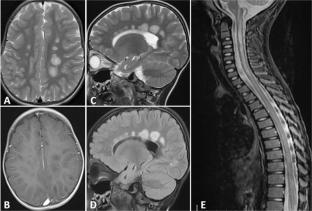
Mitochondrial complex III (CIII) deficiency, resulting from abnormalities in its subunits or assembly factors, presents with diverse clinical manifestations. LYRM7-associated CIII deficiency is rare and typically presents with progressive neurodegeneration. We report a case series of LYRM7-associated CIII deficiency in two brothers, highlighting inflammatory demyelinating-like presentations, intrafamilial variability, and atypical disease progression. We present an investigational case series highlighting continuing challenges in diagnosing and managing LYRM7-associated mitochondrial complex III deficiency. Whole-exome sequencing (WES) was performed for diagnostic evaluation, followed by confirmatory Sanger sequencing and literature review of previously reported cases. Two brothers from a consanguineous family presented with ataxia, visual impairment, and progressive neurological deterioration including spasticity, seizures, cognitive decline, and motor weakness. Patient 1 (P1) experienced recurrent ataxic episodes beginning at 7 years of age, initially suspected to represent an inflammatory demyelinating disorder, while patient 2 (P2) demonstrated a more aggressive disease course with rapid neurological deterioration and early mortality at 8 years of age. Neuroimaging revealed cystic white matter changes suggestive of mitochondrial leukodystrophy and longitudinally extensive transverse myelitis (LETM) in both patients, differing from typical inflammatory demyelinating patterns. Genetic testing confirmed a pathogenic LYRM7 variant. Notably, intrafamilial clinical variability and the inflammatory-like presentation in P1- including LETM and optic neuritis mimicking neuromyelitis optica spectrum disorder (NMOSD)- distinguished our cases from previously reported patients. These findings expand the phenotypic spectrum of LYRM7-associated CIII deficiency and highlight diagnostic challenges. This case series expand the clinical spectrum of LYRM7-associated complex III deficiency and highlights relapsing inflammatory-like presentations as a potential diagnostic pitfall. Our findings emphasize the importance of considering mitochondrial disorders in children presenting with recurrent demyelinating-like episodes, atypical progression, or familial patterns. Early genetic diagnosis is essential for accurate diagnosis, counseling, and management of mitochondrial disorders.
期刊介绍:
The Journal of Molecular Neuroscience is committed to the rapid publication of original findings that increase our understanding of the molecular structure, function, and development of the nervous system. The criteria for acceptance of manuscripts will be scientific excellence, originality, and relevance to the field of molecular neuroscience. Manuscripts with clinical relevance are especially encouraged since the journal seeks to provide a means for accelerating the progression of basic research findings toward clinical utilization. All experiments described in the Journal of Molecular Neuroscience that involve the use of animal or human subjects must have been approved by the appropriate institutional review committee and conform to accepted ethical standards.

 求助内容:
求助内容: 应助结果提醒方式:

 京公网安备 11010802042870号


