{"title":"硅酸盐催化合成聚二甲基硅氧烷的产物分布。","authors":"Yuqing Lu , Lu Shin Wong","doi":"10.1039/d6cy00067c","DOIUrl":null,"url":null,"abstract":"<div><div>Biocatalytic polymerisations of monomeric siloxane precursors to polysiloxane “silicone” polymers were recently reported. This study further investigates the polymerisation and depolymerisation of poly(dimethylsiloxane) from the monomeric precursor dimethyldimethoxysilane, catalysed by recombinant enzyme silicatein-α. Here, product distributions were systematically examined to assess the reaction outcome over time, and to deduce the pathways by which both linear polymers and small cyclic oligomers were produced. The results showed that short-chain oligomers were the predominant products at the early stage of the reaction, which subsequently polymerised into longer linear chains within 48 hours, reaching <em>Z</em>-averaged molecular weights of approximately 2000 Da. As the reaction progressed, the long-chain polymers underwent partial degradation into small amounts of cyclic oligomers under enzyme-catalysed conditions. However, the cyclic species did not undergo ring-opening polymerisation to linear chains under the same conditions. The system appeared to reach an equilibrium between polymer growth and degradation after 96 hours. These findings provide a foundation for further exploration of silicatein-catalysed polymerisation and highlight its potential for developing strategies for the sustainable synthetic manipulation of silicone polymers.</div></div>","PeriodicalId":66,"journal":{"name":"Catalysis Science & Technology","volume":"16 9","pages":"Pages 3183-3189"},"PeriodicalIF":4.0000,"publicationDate":"2026-05-19","publicationTypes":"Journal Article","fieldsOfStudy":null,"isOpenAccess":false,"openAccessPdf":"","citationCount":"0","resultStr":"{\"title\":\"Product distribution in the silicatein-catalysed synthesis of polydimethylsiloxane\",\"authors\":\"Yuqing Lu , Lu Shin Wong\",\"doi\":\"10.1039/d6cy00067c\",\"DOIUrl\":null,\"url\":null,\"abstract\":\"<div><div>Biocatalytic polymerisations of monomeric siloxane precursors to polysiloxane “silicone” polymers were recently reported. This study further investigates the polymerisation and depolymerisation of poly(dimethylsiloxane) from the monomeric precursor dimethyldimethoxysilane, catalysed by recombinant enzyme silicatein-α. Here, product distributions were systematically examined to assess the reaction outcome over time, and to deduce the pathways by which both linear polymers and small cyclic oligomers were produced. The results showed that short-chain oligomers were the predominant products at the early stage of the reaction, which subsequently polymerised into longer linear chains within 48 hours, reaching <em>Z</em>-averaged molecular weights of approximately 2000 Da. As the reaction progressed, the long-chain polymers underwent partial degradation into small amounts of cyclic oligomers under enzyme-catalysed conditions. However, the cyclic species did not undergo ring-opening polymerisation to linear chains under the same conditions. The system appeared to reach an equilibrium between polymer growth and degradation after 96 hours. These findings provide a foundation for further exploration of silicatein-catalysed polymerisation and highlight its potential for developing strategies for the sustainable synthetic manipulation of silicone polymers.</div></div>\",\"PeriodicalId\":66,\"journal\":{\"name\":\"Catalysis Science & Technology\",\"volume\":\"16 9\",\"pages\":\"Pages 3183-3189\"},\"PeriodicalIF\":4.0000,\"publicationDate\":\"2026-05-19\",\"publicationTypes\":\"Journal Article\",\"fieldsOfStudy\":null,\"isOpenAccess\":false,\"openAccessPdf\":\"\",\"citationCount\":\"0\",\"resultStr\":null,\"platform\":\"Semanticscholar\",\"paperid\":null,\"PeriodicalName\":\"Catalysis Science & Technology\",\"FirstCategoryId\":\"92\",\"ListUrlMain\":\"https://www.sciencedirect.com/org/science/article/pii/S2044475326001528\",\"RegionNum\":3,\"RegionCategory\":\"化学\",\"ArticlePicture\":[],\"TitleCN\":null,\"AbstractTextCN\":null,\"PMCID\":null,\"EPubDate\":\"2026/4/2 0:00:00\",\"PubModel\":\"Epub\",\"JCR\":\"Q2\",\"JCRName\":\"CHEMISTRY, PHYSICAL\",\"Score\":null,\"Total\":0}","platform":"Semanticscholar","paperid":null,"PeriodicalName":"Catalysis Science & Technology","FirstCategoryId":"92","ListUrlMain":"https://www.sciencedirect.com/org/science/article/pii/S2044475326001528","RegionNum":3,"RegionCategory":"化学","ArticlePicture":[],"TitleCN":null,"AbstractTextCN":null,"PMCID":null,"EPubDate":"2026/4/2 0:00:00","PubModel":"Epub","JCR":"Q2","JCRName":"CHEMISTRY, PHYSICAL","Score":null,"Total":0}
Product distribution in the silicatein-catalysed synthesis of polydimethylsiloxane
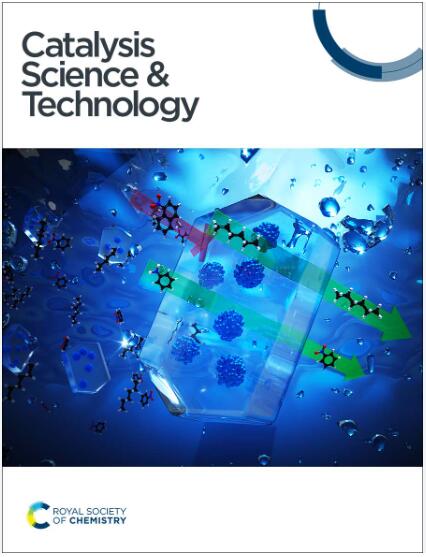
Biocatalytic polymerisations of monomeric siloxane precursors to polysiloxane “silicone” polymers were recently reported. This study further investigates the polymerisation and depolymerisation of poly(dimethylsiloxane) from the monomeric precursor dimethyldimethoxysilane, catalysed by recombinant enzyme silicatein-α. Here, product distributions were systematically examined to assess the reaction outcome over time, and to deduce the pathways by which both linear polymers and small cyclic oligomers were produced. The results showed that short-chain oligomers were the predominant products at the early stage of the reaction, which subsequently polymerised into longer linear chains within 48 hours, reaching Z-averaged molecular weights of approximately 2000 Da. As the reaction progressed, the long-chain polymers underwent partial degradation into small amounts of cyclic oligomers under enzyme-catalysed conditions. However, the cyclic species did not undergo ring-opening polymerisation to linear chains under the same conditions. The system appeared to reach an equilibrium between polymer growth and degradation after 96 hours. These findings provide a foundation for further exploration of silicatein-catalysed polymerisation and highlight its potential for developing strategies for the sustainable synthetic manipulation of silicone polymers.
期刊介绍:
A multidisciplinary journal focusing on cutting edge research across all fundamental science and technological aspects of catalysis.
Editor-in-chief: Bert Weckhuysen
Impact factor: 5.0
Time to first decision (peer reviewed only): 31 days