Molecular VisionPub Date : 2025-12-31eCollection Date: 2025-01-01
Hirohiko Kakizaki, Heebae Ahn, Muhammad Abumanhal, Derrick Lian, Kan Ishijima, Hidenori Mito, Naoyuki Morishige
{"title":"巩膜网状纤维分布:了解病理性近视和后葡萄肿的关键。","authors":"Hirohiko Kakizaki, Heebae Ahn, Muhammad Abumanhal, Derrick Lian, Kan Ishijima, Hidenori Mito, Naoyuki Morishige","doi":"","DOIUrl":null,"url":null,"abstract":"<p><strong>Purpose: </strong>To characterize the distribution of reticular fibers in the human sclera and explore their potential role in the pathogenesis of pathologic myopia and posterior staphyloma.</p><p><strong>Methods: </strong>Central sagittal sections of 13 globes (6 right eyes and 7 left eyes) were obtained from 12 East Asian cadavers aged 38-94 years (mean age: 74.9 years). Three scleral regions were examined: the pars plana, 3:00-3:30 clock-hour position, and 5:00-5:30 clock-hour position. Specimens were fixed in 10% formalin and stained with silver nitrate. ImageJ software was used for image processing and quantification of fiber density.</p><p><strong>Results: </strong>Reticular fiber density exhibited considerable inter- and intraindividual variability. The average densities at the pars plana, 3:00-3:30, and 5:00-5:30 were 31.07%, 26.10%, and 22.70%, respectively. Density ranges were 23.46%-58.51% (pars plana), 19.18%-43.07% (3:00-3:30), and 13.48%-50.95% (5:00-5:30). In 10 eyes, the pars plana showed the highest density, followed by 3:00-3:30 and then 5:00-5:30. Two eyes had the lowest density at 3:00-3:30, while one eye exhibited the highest density in this region.</p><p><strong>Conclusions: </strong>Reticular fiber density in the sclera exhibits considerable interindividual variability. Our findings suggest that regions of structural vulnerability within the sclera may extend beyond the posterior pole, potentially offering new insights into the pathogenesis of posterior staphyloma. A reduction in reticular fiber density may be implicated in the progression of pathologic myopia and the development of posterior staphylomas, although further investigation is warranted to substantiate this association.</p>","PeriodicalId":18866,"journal":{"name":"Molecular Vision","volume":"31 ","pages":"584-595"},"PeriodicalIF":1.4000,"publicationDate":"2025-12-31","publicationTypes":"Journal Article","fieldsOfStudy":null,"isOpenAccess":false,"openAccessPdf":"https://www.ncbi.nlm.nih.gov/pmc/articles/PMC13002934/pdf/","citationCount":"0","resultStr":"{\"title\":\"Reticular fiber distribution in sclera: Key to understanding pathologic myopia and posterior staphylomas.\",\"authors\":\"Hirohiko Kakizaki, Heebae Ahn, Muhammad Abumanhal, Derrick Lian, Kan Ishijima, Hidenori Mito, Naoyuki Morishige\",\"doi\":\"\",\"DOIUrl\":null,\"url\":null,\"abstract\":\"<p><strong>Purpose: </strong>To characterize the distribution of reticular fibers in the human sclera and explore their potential role in the pathogenesis of pathologic myopia and posterior staphyloma.</p><p><strong>Methods: </strong>Central sagittal sections of 13 globes (6 right eyes and 7 left eyes) were obtained from 12 East Asian cadavers aged 38-94 years (mean age: 74.9 years). Three scleral regions were examined: the pars plana, 3:00-3:30 clock-hour position, and 5:00-5:30 clock-hour position. Specimens were fixed in 10% formalin and stained with silver nitrate. ImageJ software was used for image processing and quantification of fiber density.</p><p><strong>Results: </strong>Reticular fiber density exhibited considerable inter- and intraindividual variability. The average densities at the pars plana, 3:00-3:30, and 5:00-5:30 were 31.07%, 26.10%, and 22.70%, respectively. Density ranges were 23.46%-58.51% (pars plana), 19.18%-43.07% (3:00-3:30), and 13.48%-50.95% (5:00-5:30). In 10 eyes, the pars plana showed the highest density, followed by 3:00-3:30 and then 5:00-5:30. Two eyes had the lowest density at 3:00-3:30, while one eye exhibited the highest density in this region.</p><p><strong>Conclusions: </strong>Reticular fiber density in the sclera exhibits considerable interindividual variability. Our findings suggest that regions of structural vulnerability within the sclera may extend beyond the posterior pole, potentially offering new insights into the pathogenesis of posterior staphyloma. A reduction in reticular fiber density may be implicated in the progression of pathologic myopia and the development of posterior staphylomas, although further investigation is warranted to substantiate this association.</p>\",\"PeriodicalId\":18866,\"journal\":{\"name\":\"Molecular Vision\",\"volume\":\"31 \",\"pages\":\"584-595\"},\"PeriodicalIF\":1.4000,\"publicationDate\":\"2025-12-31\",\"publicationTypes\":\"Journal Article\",\"fieldsOfStudy\":null,\"isOpenAccess\":false,\"openAccessPdf\":\"https://www.ncbi.nlm.nih.gov/pmc/articles/PMC13002934/pdf/\",\"citationCount\":\"0\",\"resultStr\":null,\"platform\":\"Semanticscholar\",\"paperid\":null,\"PeriodicalName\":\"Molecular Vision\",\"FirstCategoryId\":\"3\",\"ListUrlMain\":\"\",\"RegionNum\":3,\"RegionCategory\":\"医学\",\"ArticlePicture\":[],\"TitleCN\":null,\"AbstractTextCN\":null,\"PMCID\":null,\"EPubDate\":\"2025/1/1 0:00:00\",\"PubModel\":\"eCollection\",\"JCR\":\"Q4\",\"JCRName\":\"BIOCHEMISTRY & MOLECULAR BIOLOGY\",\"Score\":null,\"Total\":0}","platform":"Semanticscholar","paperid":null,"PeriodicalName":"Molecular Vision","FirstCategoryId":"3","ListUrlMain":"","RegionNum":3,"RegionCategory":"医学","ArticlePicture":[],"TitleCN":null,"AbstractTextCN":null,"PMCID":null,"EPubDate":"2025/1/1 0:00:00","PubModel":"eCollection","JCR":"Q4","JCRName":"BIOCHEMISTRY & MOLECULAR BIOLOGY","Score":null,"Total":0}
Reticular fiber distribution in sclera: Key to understanding pathologic myopia and posterior staphylomas.
Purpose: To characterize the distribution of reticular fibers in the human sclera and explore their potential role in the pathogenesis of pathologic myopia and posterior staphyloma.
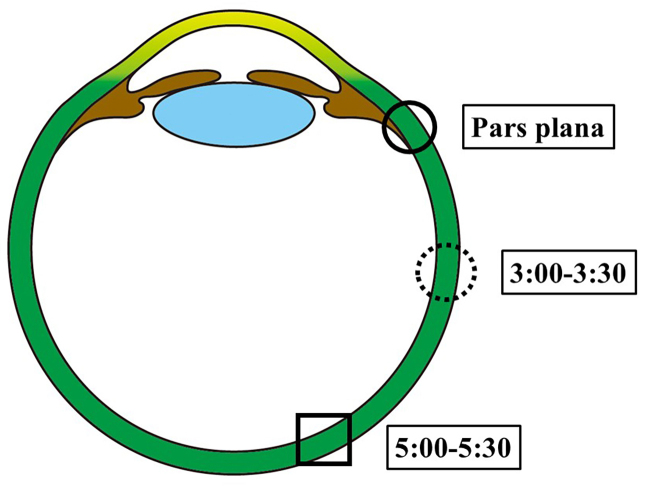
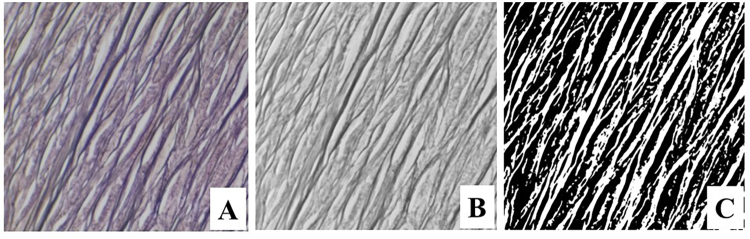
Methods: Central sagittal sections of 13 globes (6 right eyes and 7 left eyes) were obtained from 12 East Asian cadavers aged 38-94 years (mean age: 74.9 years). Three scleral regions were examined: the pars plana, 3:00-3:30 clock-hour position, and 5:00-5:30 clock-hour position. Specimens were fixed in 10% formalin and stained with silver nitrate. ImageJ software was used for image processing and quantification of fiber density.
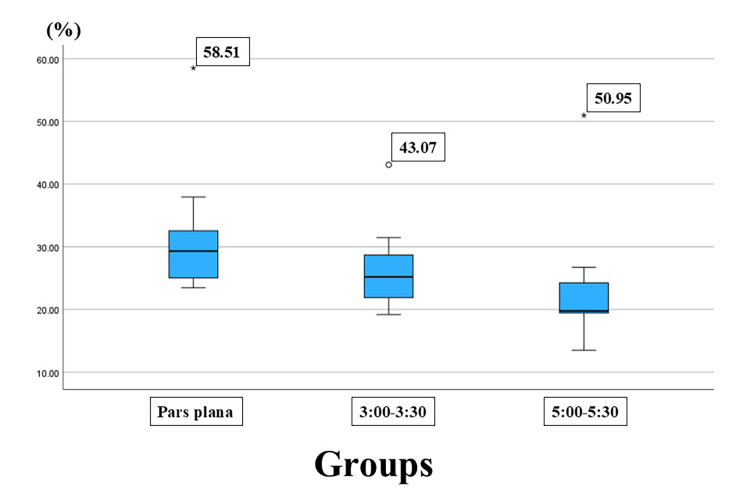
Results: Reticular fiber density exhibited considerable inter- and intraindividual variability. The average densities at the pars plana, 3:00-3:30, and 5:00-5:30 were 31.07%, 26.10%, and 22.70%, respectively. Density ranges were 23.46%-58.51% (pars plana), 19.18%-43.07% (3:00-3:30), and 13.48%-50.95% (5:00-5:30). In 10 eyes, the pars plana showed the highest density, followed by 3:00-3:30 and then 5:00-5:30. Two eyes had the lowest density at 3:00-3:30, while one eye exhibited the highest density in this region.
Conclusions: Reticular fiber density in the sclera exhibits considerable interindividual variability. Our findings suggest that regions of structural vulnerability within the sclera may extend beyond the posterior pole, potentially offering new insights into the pathogenesis of posterior staphyloma. A reduction in reticular fiber density may be implicated in the progression of pathologic myopia and the development of posterior staphylomas, although further investigation is warranted to substantiate this association.
期刊介绍:
Molecular Vision is a peer-reviewed journal dedicated to the dissemination of research results in molecular biology, cell biology, and the genetics of the visual system (ocular and cortical).
Molecular Vision publishes articles presenting original research that has not previously been published and comprehensive articles reviewing the current status of a particular field or topic. Submissions to Molecular Vision are subjected to rigorous peer review. Molecular Vision does NOT publish preprints.
For authors, Molecular Vision provides a rapid means of communicating important results. Access to Molecular Vision is free and unrestricted, allowing the widest possible audience for your article. Digital publishing allows you to use color images freely (and without fees). Additionally, you may publish animations, sounds, or other supplementary information that clarifies or supports your article. Each of the authors of an article may also list an electronic mail address (which will be updated upon request) to give interested readers easy access to authors.

 求助内容:
求助内容: 应助结果提醒方式:

 京公网安备 11010802042870号


