Marius R van Ooijen, Sezai Özkan, Koen van Boxem, Kris C P Vissers, Sandra A S van den Heuvel
{"title":"选择性神经根阻滞先于脉冲射频治疗慢性神经根痛患者的预后价值:一项系统综述。","authors":"Marius R van Ooijen, Sezai Özkan, Koen van Boxem, Kris C P Vissers, Sandra A S van den Heuvel","doi":"10.1111/papr.70132","DOIUrl":null,"url":null,"abstract":"<p><strong>Background/importance: </strong>Selective nerve root blocks (SNRBs) are frequently used in clinical algorithms for managing chronic radicular pain. However, their prognostic value in identifying patients likely to benefit from pulsed radiofrequency (PRF) treatment remains uncertain.</p><p><strong>Objective: </strong>This systematic review evaluates whether a positive response to an SNRB predicts improved clinical outcomes following PRF in patients with chronic radicular pain.</p><p><strong>Evidence review: </strong>A systematic search was conducted in PubMed, Embase, and Cochrane databases, along with reference lists of relevant articles. Eligible studies included patients with chronic radicular pain and assessed the prognostic role of SNRBs administered prior to PRF. Risk of bias was assessed using the ROBINS-I V2 tool.</p><p><strong>Results: </strong>Only one prospective observational study met inclusion criteria. In patients with chronic lumbosacral radicular pain, a positive SNRB response was associated with a higher likelihood of treatment success at 6-week follow-up (odds ratio: 3.26; 95% CI: 0.97-11.00; p = 0.06). Multivariate analysis identified limited baseline disability, age > 55 years, and a positive SNRB response as predictors of success at 6 months, with an area under the receiver operating characteristic curve of 0.73.</p><p><strong>Conclusions: </strong>This review identified a lack of published studies-aside from one prospective observational study-examining the prognostic value of SNRBs in the context of PRF for chronic radicular pain. The findings underscore not only a lack of high-quality evidence but a broader gap in the literature. Further robust research is warranted to clarify the clinical utility of SNRBs in guiding PRF treatment decisions.</p>","PeriodicalId":19974,"journal":{"name":"Pain Practice","volume":"26 3","pages":"e70132"},"PeriodicalIF":2.7000,"publicationDate":"2026-03-01","publicationTypes":"Journal Article","fieldsOfStudy":null,"isOpenAccess":false,"openAccessPdf":"https://www.ncbi.nlm.nih.gov/pmc/articles/PMC12963952/pdf/","citationCount":"0","resultStr":"{\"title\":\"Prognostic Value of Selective Nerve Root Blocks Prior to Pulsed Radiofrequency in the Treatment of Patients With Chronic Radicular Pain: A Systematic Review.\",\"authors\":\"Marius R van Ooijen, Sezai Özkan, Koen van Boxem, Kris C P Vissers, Sandra A S van den Heuvel\",\"doi\":\"10.1111/papr.70132\",\"DOIUrl\":null,\"url\":null,\"abstract\":\"<p><strong>Background/importance: </strong>Selective nerve root blocks (SNRBs) are frequently used in clinical algorithms for managing chronic radicular pain. However, their prognostic value in identifying patients likely to benefit from pulsed radiofrequency (PRF) treatment remains uncertain.</p><p><strong>Objective: </strong>This systematic review evaluates whether a positive response to an SNRB predicts improved clinical outcomes following PRF in patients with chronic radicular pain.</p><p><strong>Evidence review: </strong>A systematic search was conducted in PubMed, Embase, and Cochrane databases, along with reference lists of relevant articles. Eligible studies included patients with chronic radicular pain and assessed the prognostic role of SNRBs administered prior to PRF. Risk of bias was assessed using the ROBINS-I V2 tool.</p><p><strong>Results: </strong>Only one prospective observational study met inclusion criteria. In patients with chronic lumbosacral radicular pain, a positive SNRB response was associated with a higher likelihood of treatment success at 6-week follow-up (odds ratio: 3.26; 95% CI: 0.97-11.00; p = 0.06). Multivariate analysis identified limited baseline disability, age > 55 years, and a positive SNRB response as predictors of success at 6 months, with an area under the receiver operating characteristic curve of 0.73.</p><p><strong>Conclusions: </strong>This review identified a lack of published studies-aside from one prospective observational study-examining the prognostic value of SNRBs in the context of PRF for chronic radicular pain. The findings underscore not only a lack of high-quality evidence but a broader gap in the literature. Further robust research is warranted to clarify the clinical utility of SNRBs in guiding PRF treatment decisions.</p>\",\"PeriodicalId\":19974,\"journal\":{\"name\":\"Pain Practice\",\"volume\":\"26 3\",\"pages\":\"e70132\"},\"PeriodicalIF\":2.7000,\"publicationDate\":\"2026-03-01\",\"publicationTypes\":\"Journal Article\",\"fieldsOfStudy\":null,\"isOpenAccess\":false,\"openAccessPdf\":\"https://www.ncbi.nlm.nih.gov/pmc/articles/PMC12963952/pdf/\",\"citationCount\":\"0\",\"resultStr\":null,\"platform\":\"Semanticscholar\",\"paperid\":null,\"PeriodicalName\":\"Pain Practice\",\"FirstCategoryId\":\"3\",\"ListUrlMain\":\"https://doi.org/10.1111/papr.70132\",\"RegionNum\":3,\"RegionCategory\":\"医学\",\"ArticlePicture\":[],\"TitleCN\":null,\"AbstractTextCN\":null,\"PMCID\":null,\"EPubDate\":\"\",\"PubModel\":\"\",\"JCR\":\"Q2\",\"JCRName\":\"ANESTHESIOLOGY\",\"Score\":null,\"Total\":0}","platform":"Semanticscholar","paperid":null,"PeriodicalName":"Pain Practice","FirstCategoryId":"3","ListUrlMain":"https://doi.org/10.1111/papr.70132","RegionNum":3,"RegionCategory":"医学","ArticlePicture":[],"TitleCN":null,"AbstractTextCN":null,"PMCID":null,"EPubDate":"","PubModel":"","JCR":"Q2","JCRName":"ANESTHESIOLOGY","Score":null,"Total":0}
引用次数: 0
摘要
背景/重要性:选择性神经根阻滞(SNRBs)经常用于治疗慢性神经根痛的临床算法。然而,它们在识别可能受益于脉冲射频(PRF)治疗的患者中的预后价值仍不确定。目的:本系统综述评估SNRB阳性反应是否能预测慢性神经根痛患者PRF后临床结果的改善。证据回顾:在PubMed, Embase和Cochrane数据库中进行了系统检索,以及相关文章的参考文献列表。符合条件的研究包括慢性神经根痛患者,并评估在PRF之前给予SNRBs的预后作用。使用ROBINS-I V2工具评估偏倚风险。结果:只有一项前瞻性观察性研究符合纳入标准。在慢性腰骶神经根性疼痛患者中,在6周的随访中,SNRB阳性反应与更高的治疗成功率相关(优势比:3.26;95% CI: 0.97-11.00; p = 0.06)。多变量分析发现,有限的基线残疾、年龄在55岁以下和SNRB阳性反应是6个月成功的预测因素,受试者工作特征曲线下的面积为0.73。结论:本综述发现,除了一项前瞻性观察性研究外,缺乏已发表的研究来检验SNRBs在慢性神经根性疼痛PRF中的预后价值。这些发现不仅表明缺乏高质量的证据,而且表明文献中存在更大的差距。需要进一步的研究来阐明SNRBs在指导PRF治疗决策中的临床应用。
Prognostic Value of Selective Nerve Root Blocks Prior to Pulsed Radiofrequency in the Treatment of Patients With Chronic Radicular Pain: A Systematic Review.
Background/importance: Selective nerve root blocks (SNRBs) are frequently used in clinical algorithms for managing chronic radicular pain. However, their prognostic value in identifying patients likely to benefit from pulsed radiofrequency (PRF) treatment remains uncertain.
Objective: This systematic review evaluates whether a positive response to an SNRB predicts improved clinical outcomes following PRF in patients with chronic radicular pain.
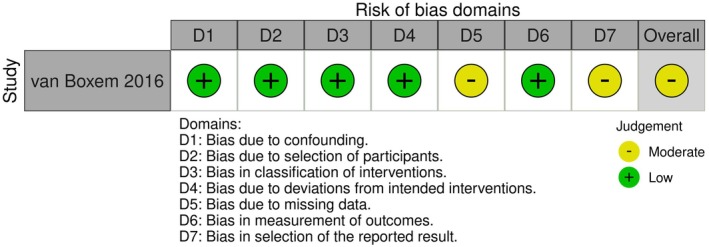
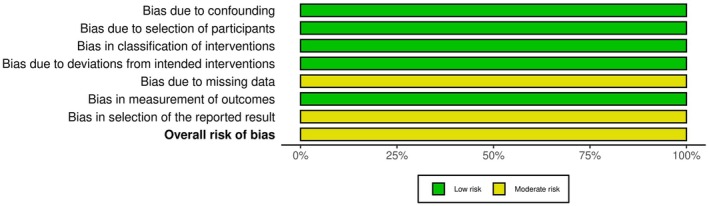
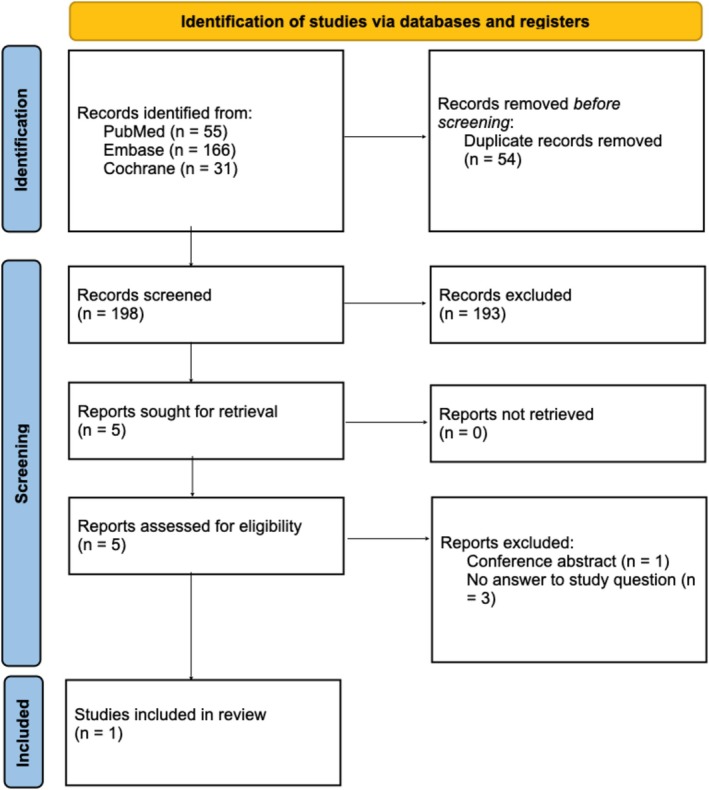
Evidence review: A systematic search was conducted in PubMed, Embase, and Cochrane databases, along with reference lists of relevant articles. Eligible studies included patients with chronic radicular pain and assessed the prognostic role of SNRBs administered prior to PRF. Risk of bias was assessed using the ROBINS-I V2 tool.
Results: Only one prospective observational study met inclusion criteria. In patients with chronic lumbosacral radicular pain, a positive SNRB response was associated with a higher likelihood of treatment success at 6-week follow-up (odds ratio: 3.26; 95% CI: 0.97-11.00; p = 0.06). Multivariate analysis identified limited baseline disability, age > 55 years, and a positive SNRB response as predictors of success at 6 months, with an area under the receiver operating characteristic curve of 0.73.
Conclusions: This review identified a lack of published studies-aside from one prospective observational study-examining the prognostic value of SNRBs in the context of PRF for chronic radicular pain. The findings underscore not only a lack of high-quality evidence but a broader gap in the literature. Further robust research is warranted to clarify the clinical utility of SNRBs in guiding PRF treatment decisions.
期刊介绍:
Pain Practice, the official journal of the World Institute of Pain, publishes international multidisciplinary articles on pain and analgesia that provide its readership with up-to-date research, evaluation methods, and techniques for pain management. Special sections including the Consultant’s Corner, Images in Pain Practice, Case Studies from Mayo, Tutorials, and the Evidence-Based Medicine combine to give pain researchers, pain clinicians and pain fellows in training a systematic approach to continuing education in pain medicine. Prior to publication, all articles and reviews undergo peer review by at least two experts in the field.

 求助内容:
求助内容: 应助结果提醒方式:

 京公网安备 11010802042870号


