{"title":"在胎盘增生频谱麻醉和输血管理:从资源有限的设置和小型回顾的教训。","authors":"Alma Soxhuku Isufi, Genci Hyska, Kastriot Dallaku, Vjollca Shpata, Xhensila Frasheri Prendushi, Albana Shahini, Asead Abdyli, Krenar Lilaj, Hektor Sula, Rudin Domi, Fatos Sada","doi":"10.14740/jmc5204","DOIUrl":null,"url":null,"abstract":"<p><p>Placenta accreta spectrum (PAS) is a severe obstetric condition characterized by abnormal placental invasion of the myometrium, often resulting in massive hemorrhage and high maternal morbidity and mortality. Optimal management requires early recognition, multidisciplinary coordination, and prompt activation of massive transfusion protocols (MTPs). We report the case of a 41-year-old gravida 3 woman at 36 - 37 weeks of gestation, with two prior cesarean deliveries and a transverse fetal lie, who developed life-threatening hemorrhage during cesarean section for PAS. Spinal anesthesia was promptly converted to general anesthesia to allow safe surgical intervention, which included hysterectomy, hemostatic and vaginal sutures, bladder repair, and massive transfusion. Postoperatively, the patient was stabilized in the intensive care unit and discharged in good condition after 10 days. This case demonstrates that early MTP activation, rapid anesthetic adaptation, and coordinated multidisciplinary care can result in favorable outcomes even in resource-limited settings. It underscores the importance of preparedness, flexible intraoperative decision-making, and collaboration across obstetric, anesthetic, surgical, and critical care teams in the management of high-risk PAS cases.</p>","PeriodicalId":101328,"journal":{"name":"Journal of medical cases","volume":"17 1","pages":"21-27"},"PeriodicalIF":0.9000,"publicationDate":"2025-12-24","publicationTypes":"Journal Article","fieldsOfStudy":null,"isOpenAccess":false,"openAccessPdf":"https://www.ncbi.nlm.nih.gov/pmc/articles/PMC12758073/pdf/","citationCount":"0","resultStr":"{\"title\":\"Anesthetic and Transfusion Management in Placenta Accreta Spectrum: Lessons From a Resource-Limited Setting and Mini-Review.\",\"authors\":\"Alma Soxhuku Isufi, Genci Hyska, Kastriot Dallaku, Vjollca Shpata, Xhensila Frasheri Prendushi, Albana Shahini, Asead Abdyli, Krenar Lilaj, Hektor Sula, Rudin Domi, Fatos Sada\",\"doi\":\"10.14740/jmc5204\",\"DOIUrl\":null,\"url\":null,\"abstract\":\"<p><p>Placenta accreta spectrum (PAS) is a severe obstetric condition characterized by abnormal placental invasion of the myometrium, often resulting in massive hemorrhage and high maternal morbidity and mortality. Optimal management requires early recognition, multidisciplinary coordination, and prompt activation of massive transfusion protocols (MTPs). We report the case of a 41-year-old gravida 3 woman at 36 - 37 weeks of gestation, with two prior cesarean deliveries and a transverse fetal lie, who developed life-threatening hemorrhage during cesarean section for PAS. Spinal anesthesia was promptly converted to general anesthesia to allow safe surgical intervention, which included hysterectomy, hemostatic and vaginal sutures, bladder repair, and massive transfusion. Postoperatively, the patient was stabilized in the intensive care unit and discharged in good condition after 10 days. This case demonstrates that early MTP activation, rapid anesthetic adaptation, and coordinated multidisciplinary care can result in favorable outcomes even in resource-limited settings. It underscores the importance of preparedness, flexible intraoperative decision-making, and collaboration across obstetric, anesthetic, surgical, and critical care teams in the management of high-risk PAS cases.</p>\",\"PeriodicalId\":101328,\"journal\":{\"name\":\"Journal of medical cases\",\"volume\":\"17 1\",\"pages\":\"21-27\"},\"PeriodicalIF\":0.9000,\"publicationDate\":\"2025-12-24\",\"publicationTypes\":\"Journal Article\",\"fieldsOfStudy\":null,\"isOpenAccess\":false,\"openAccessPdf\":\"https://www.ncbi.nlm.nih.gov/pmc/articles/PMC12758073/pdf/\",\"citationCount\":\"0\",\"resultStr\":null,\"platform\":\"Semanticscholar\",\"paperid\":null,\"PeriodicalName\":\"Journal of medical cases\",\"FirstCategoryId\":\"1085\",\"ListUrlMain\":\"https://doi.org/10.14740/jmc5204\",\"RegionNum\":0,\"RegionCategory\":null,\"ArticlePicture\":[],\"TitleCN\":null,\"AbstractTextCN\":null,\"PMCID\":null,\"EPubDate\":\"2026/1/1 0:00:00\",\"PubModel\":\"eCollection\",\"JCR\":\"\",\"JCRName\":\"\",\"Score\":null,\"Total\":0}","platform":"Semanticscholar","paperid":null,"PeriodicalName":"Journal of medical cases","FirstCategoryId":"1085","ListUrlMain":"https://doi.org/10.14740/jmc5204","RegionNum":0,"RegionCategory":null,"ArticlePicture":[],"TitleCN":null,"AbstractTextCN":null,"PMCID":null,"EPubDate":"2026/1/1 0:00:00","PubModel":"eCollection","JCR":"","JCRName":"","Score":null,"Total":0}
Anesthetic and Transfusion Management in Placenta Accreta Spectrum: Lessons From a Resource-Limited Setting and Mini-Review.
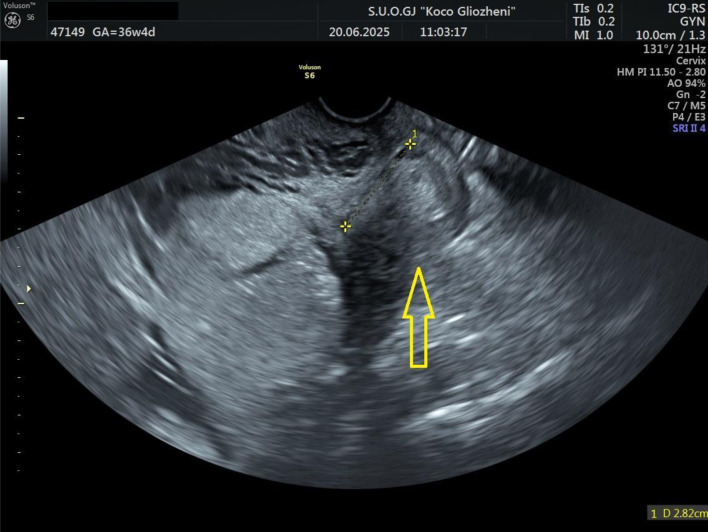
Placenta accreta spectrum (PAS) is a severe obstetric condition characterized by abnormal placental invasion of the myometrium, often resulting in massive hemorrhage and high maternal morbidity and mortality. Optimal management requires early recognition, multidisciplinary coordination, and prompt activation of massive transfusion protocols (MTPs). We report the case of a 41-year-old gravida 3 woman at 36 - 37 weeks of gestation, with two prior cesarean deliveries and a transverse fetal lie, who developed life-threatening hemorrhage during cesarean section for PAS. Spinal anesthesia was promptly converted to general anesthesia to allow safe surgical intervention, which included hysterectomy, hemostatic and vaginal sutures, bladder repair, and massive transfusion. Postoperatively, the patient was stabilized in the intensive care unit and discharged in good condition after 10 days. This case demonstrates that early MTP activation, rapid anesthetic adaptation, and coordinated multidisciplinary care can result in favorable outcomes even in resource-limited settings. It underscores the importance of preparedness, flexible intraoperative decision-making, and collaboration across obstetric, anesthetic, surgical, and critical care teams in the management of high-risk PAS cases.




 求助内容:
求助内容: 应助结果提醒方式:

 京公网安备 11010802042870号


