N. V. Ivanov, P. A. Konkin, M. A. Kozlov, E. O. Pentsak
{"title":"天然和石油化工原料生产高级脂肪醇工艺的发展历程与展望(综述)","authors":"N. V. Ivanov, P. A. Konkin, M. A. Kozlov, E. O. Pentsak","doi":"10.3103/S0361521925600890","DOIUrl":null,"url":null,"abstract":"<p>Beginning in the 1930s, a number of technological processes were developed to saturate the market with affordable detergents; these processes are still used today, almost a century later. While various fractions of hydrogenated vegetable oils and spermaceti from cetaceans were initially used as raw materials for soap production, the use of petrochemical raw materials began in the mid-20th century largely due to the efforts of the scientific community and the development of chemical technologies and organic synthesis. To date, a number of methods have been introduced or are close to being introduced into industry: hydrogenation, the Bouveault–Blanc method, the Bashkirov method, the SHOP process, and the Ziegler process, and technologies for the biosynthesis of higher fatty alcohols from gas-chemical feedstocks. This paper aimed to summarize the accumulated experience of science and industry, observe currently available methodological approaches to the synthesis of higher fatty alcohols from various raw materials, demonstrate the advantages and disadvantages of these approaches, and outline the prospects for the use of higher fatty alcohols and by-products of their synthesis in the Russian Federation.</p>","PeriodicalId":779,"journal":{"name":"Solid Fuel Chemistry","volume":"59 6","pages":"427 - 443"},"PeriodicalIF":0.9000,"publicationDate":"2025-12-23","publicationTypes":"Journal Article","fieldsOfStudy":null,"isOpenAccess":false,"openAccessPdf":"","citationCount":"0","resultStr":"{\"title\":\"Evolution of Technological Processes for the Production of Higher Fatty Alcohols from Natural and Petrochemical Raw Materials: History and Prospects (A Review)\",\"authors\":\"N. V. Ivanov, P. A. Konkin, M. A. Kozlov, E. O. Pentsak\",\"doi\":\"10.3103/S0361521925600890\",\"DOIUrl\":null,\"url\":null,\"abstract\":\"<p>Beginning in the 1930s, a number of technological processes were developed to saturate the market with affordable detergents; these processes are still used today, almost a century later. While various fractions of hydrogenated vegetable oils and spermaceti from cetaceans were initially used as raw materials for soap production, the use of petrochemical raw materials began in the mid-20th century largely due to the efforts of the scientific community and the development of chemical technologies and organic synthesis. To date, a number of methods have been introduced or are close to being introduced into industry: hydrogenation, the Bouveault–Blanc method, the Bashkirov method, the SHOP process, and the Ziegler process, and technologies for the biosynthesis of higher fatty alcohols from gas-chemical feedstocks. This paper aimed to summarize the accumulated experience of science and industry, observe currently available methodological approaches to the synthesis of higher fatty alcohols from various raw materials, demonstrate the advantages and disadvantages of these approaches, and outline the prospects for the use of higher fatty alcohols and by-products of their synthesis in the Russian Federation.</p>\",\"PeriodicalId\":779,\"journal\":{\"name\":\"Solid Fuel Chemistry\",\"volume\":\"59 6\",\"pages\":\"427 - 443\"},\"PeriodicalIF\":0.9000,\"publicationDate\":\"2025-12-23\",\"publicationTypes\":\"Journal Article\",\"fieldsOfStudy\":null,\"isOpenAccess\":false,\"openAccessPdf\":\"\",\"citationCount\":\"0\",\"resultStr\":null,\"platform\":\"Semanticscholar\",\"paperid\":null,\"PeriodicalName\":\"Solid Fuel Chemistry\",\"FirstCategoryId\":\"5\",\"ListUrlMain\":\"https://link.springer.com/article/10.3103/S0361521925600890\",\"RegionNum\":4,\"RegionCategory\":\"工程技术\",\"ArticlePicture\":[],\"TitleCN\":null,\"AbstractTextCN\":null,\"PMCID\":null,\"EPubDate\":\"\",\"PubModel\":\"\",\"JCR\":\"Q4\",\"JCRName\":\"CHEMISTRY, MULTIDISCIPLINARY\",\"Score\":null,\"Total\":0}","platform":"Semanticscholar","paperid":null,"PeriodicalName":"Solid Fuel Chemistry","FirstCategoryId":"5","ListUrlMain":"https://link.springer.com/article/10.3103/S0361521925600890","RegionNum":4,"RegionCategory":"工程技术","ArticlePicture":[],"TitleCN":null,"AbstractTextCN":null,"PMCID":null,"EPubDate":"","PubModel":"","JCR":"Q4","JCRName":"CHEMISTRY, MULTIDISCIPLINARY","Score":null,"Total":0}
Evolution of Technological Processes for the Production of Higher Fatty Alcohols from Natural and Petrochemical Raw Materials: History and Prospects (A Review)
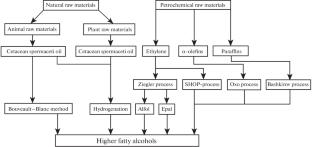
Beginning in the 1930s, a number of technological processes were developed to saturate the market with affordable detergents; these processes are still used today, almost a century later. While various fractions of hydrogenated vegetable oils and spermaceti from cetaceans were initially used as raw materials for soap production, the use of petrochemical raw materials began in the mid-20th century largely due to the efforts of the scientific community and the development of chemical technologies and organic synthesis. To date, a number of methods have been introduced or are close to being introduced into industry: hydrogenation, the Bouveault–Blanc method, the Bashkirov method, the SHOP process, and the Ziegler process, and technologies for the biosynthesis of higher fatty alcohols from gas-chemical feedstocks. This paper aimed to summarize the accumulated experience of science and industry, observe currently available methodological approaches to the synthesis of higher fatty alcohols from various raw materials, demonstrate the advantages and disadvantages of these approaches, and outline the prospects for the use of higher fatty alcohols and by-products of their synthesis in the Russian Federation.
期刊介绍:
The journal publishes theoretical and applied articles on the chemistry and physics of solid fuels and carbonaceous materials. It addresses the composition, structure, and properties of solid fuels. The aim of the published articles is to demonstrate how novel discoveries, developments, and theories may be used in improved analysis and design of new types of fuels, chemicals, and by-products. The journal is particularly concerned with technological aspects of various chemical conversion processes and includes papers related to geochemistry, petrology and systematization of fossil fuels, their beneficiation and preparation for processing, the processes themselves, and the ultimate recovery of the liquid or gaseous end products.


 求助内容:
求助内容: 应助结果提醒方式:

 京公网安备 11010802042870号


