Fernando Claros Pizarro, Simon W Young, Jorge H Blacutt, Rolando Mojica, Juan C Cruz
{"title":"Total hip arthroplasty with bulk femoral head autograft for acetabular reconstruction in developmental dysplasia of the hip.","authors":"Fernando Claros Pizarro, Simon W Young, Jorge H Blacutt, Rolando Mojica, Juan C Cruz","doi":"10.1155/2013/794218","DOIUrl":null,"url":null,"abstract":"<p><p>Developmental hip dysplasia (DDH) presents considerable technical challenges to the primary arthroplasty surgeon. Autogenous bulk grafting using the femoral head has been utilised to achieve anatomic cup placement and superolateral bone coverage in these patients, but reported outcomes on this technique have been mixed with the lack of graft integration and subsequent collapse, an early cause of failures. We describe a novel technique combining the use of bulk autograft with an iliac osteotomy, which provides primary stability and direct cancellous-cancellous bone contact, optimising the environment for early osseointegration. Twenty-one hips in 21 patients with DDH underwent this technique and were followed for a mean of 8.1 years. The preoperative radiographic classification was Crowe type I in 12 hips (57%), type II in 4 hips, and type III in 5 hips, and the mean Sharp angle was 49.6° (range 42°-60°). All grafts united by year. At time of followup, there was no radiographic evidence of graft collapse or loosening. There were no reoperations. Our study has shown that this technique variation combining an iliac osteotomy with bulk autograft in cases of developmental hip dysplasia provides early stability and reliable graft incorporation, together with satisfactory clinical and radiological outcomes in the medium term. Longer term study is necessary to confirm the clinical success of this procedure. </p>","PeriodicalId":89787,"journal":{"name":"ISRN orthopedics","volume":"2013 ","pages":"794218"},"PeriodicalIF":0.0000,"publicationDate":"2013-09-18","publicationTypes":"Journal Article","fieldsOfStudy":null,"isOpenAccess":false,"openAccessPdf":"https://sci-hub-pdf.com/10.1155/2013/794218","citationCount":"25","resultStr":null,"platform":"Semanticscholar","paperid":null,"PeriodicalName":"ISRN orthopedics","FirstCategoryId":"1085","ListUrlMain":"https://doi.org/10.1155/2013/794218","RegionNum":0,"RegionCategory":null,"ArticlePicture":[],"TitleCN":null,"AbstractTextCN":null,"PMCID":null,"EPubDate":"2013/1/1 0:00:00","PubModel":"eCollection","JCR":"","JCRName":"","Score":null,"Total":0}
引用次数: 25
Abstract
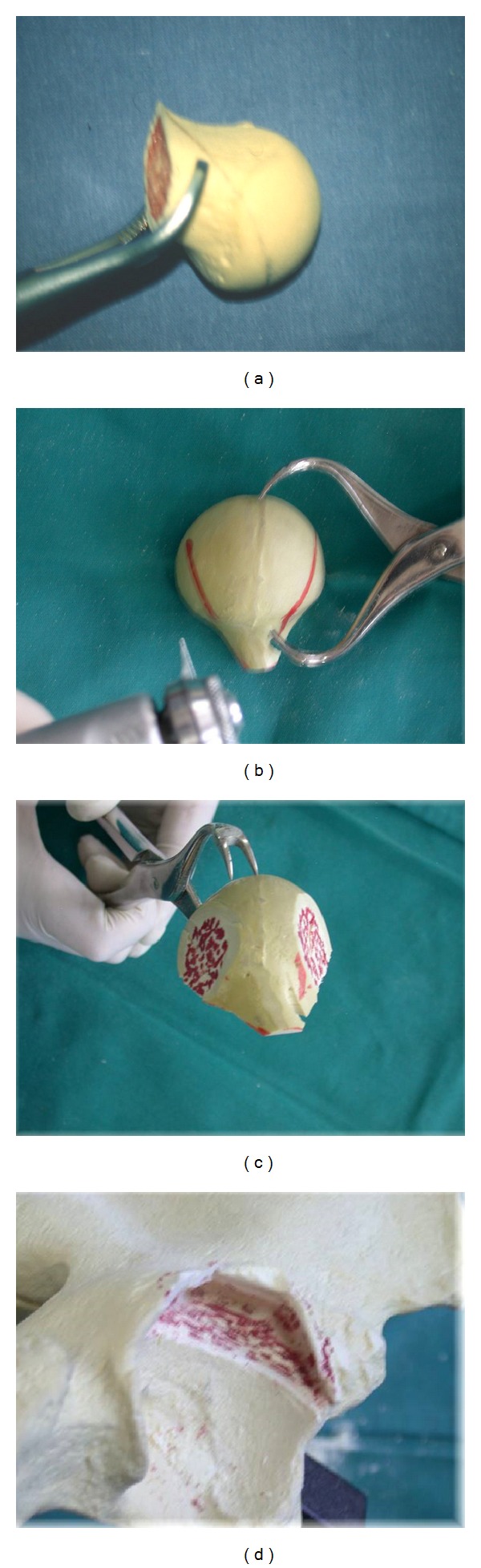
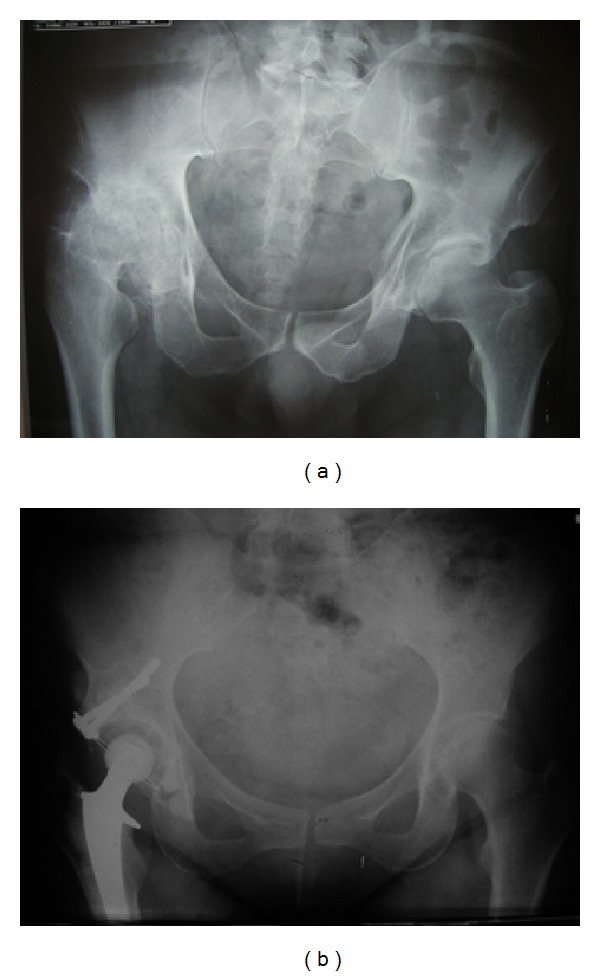
Developmental hip dysplasia (DDH) presents considerable technical challenges to the primary arthroplasty surgeon. Autogenous bulk grafting using the femoral head has been utilised to achieve anatomic cup placement and superolateral bone coverage in these patients, but reported outcomes on this technique have been mixed with the lack of graft integration and subsequent collapse, an early cause of failures. We describe a novel technique combining the use of bulk autograft with an iliac osteotomy, which provides primary stability and direct cancellous-cancellous bone contact, optimising the environment for early osseointegration. Twenty-one hips in 21 patients with DDH underwent this technique and were followed for a mean of 8.1 years. The preoperative radiographic classification was Crowe type I in 12 hips (57%), type II in 4 hips, and type III in 5 hips, and the mean Sharp angle was 49.6° (range 42°-60°). All grafts united by year. At time of followup, there was no radiographic evidence of graft collapse or loosening. There were no reoperations. Our study has shown that this technique variation combining an iliac osteotomy with bulk autograft in cases of developmental hip dysplasia provides early stability and reliable graft incorporation, together with satisfactory clinical and radiological outcomes in the medium term. Longer term study is necessary to confirm the clinical success of this procedure.



 求助内容:
求助内容: 应助结果提醒方式:

 京公网安备 11010802042870号


