{"title":"Microorganisms and their sensitivity pattern in septic arthritis of north Indian children: a prospective study from tertiary care level hospital.","authors":"Sanjay Yadav, Mandeep Singh Dhillon, Sameer Aggrawal, Sujit Kumar Tripathy","doi":"10.1155/2013/583013","DOIUrl":null,"url":null,"abstract":"<p><p>Background. Septic arthritis is a true orthopaedic emergency. Important factors determining outcome are rapid diagnosis and timely intervention. Changing trends in microbiological spectrum and emerging drug resistance poses big challenge. Present study evaluates bacterial strains and their sensitivity pattern in septic arthritis of North Indian children. Methods. Fifty children with septic arthritis of any joint were evaluated. Joint was aspirated and 2 cc of aspirated fluid was sent for gram stain and culture. Blood cultures were also sent for bacteriological evaluation. Results. Fifty percent cases had definite radiological evidence of septic arthritis whereas ultrasound revealed fluid in 98% cases. Aspirated fluid showed isolates in 72% cases. The most common organism was Staphylococcus aureus (62%) followed by Streptococcus pneumoniae and Gr. B Streptococcus. Blood culture could grow the organism in 34% cases only. The bacterial strain showed significant resistance to common antibiotic cocktail in routine practice. Resistance to cloxacillin and ceftriaxone was 62% and 14% respectively. No organisms were resistant to vancomycin and linezolid. Conclusion. S. aureus is still the most common organism in septic arthritis. Though a significant resistance to common antibiotic cocktail is noticed, the strain is susceptible to higher antibiotics. We recommend using these antibiotics as an empirical therapy till culture and sensitivity report is available. </p>","PeriodicalId":89787,"journal":{"name":"ISRN orthopedics","volume":"2013 ","pages":"583013"},"PeriodicalIF":0.0000,"publicationDate":"2013-10-22","publicationTypes":"Journal Article","fieldsOfStudy":null,"isOpenAccess":false,"openAccessPdf":"https://sci-hub-pdf.com/10.1155/2013/583013","citationCount":"5","resultStr":null,"platform":"Semanticscholar","paperid":null,"PeriodicalName":"ISRN orthopedics","FirstCategoryId":"1085","ListUrlMain":"https://doi.org/10.1155/2013/583013","RegionNum":0,"RegionCategory":null,"ArticlePicture":[],"TitleCN":null,"AbstractTextCN":null,"PMCID":null,"EPubDate":"2013/1/1 0:00:00","PubModel":"eCollection","JCR":"","JCRName":"","Score":null,"Total":0}
引用次数: 5
Abstract
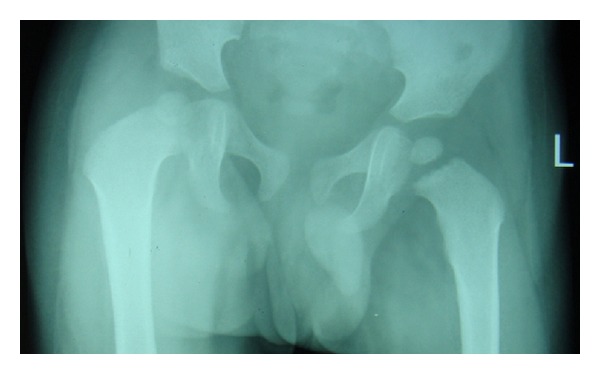
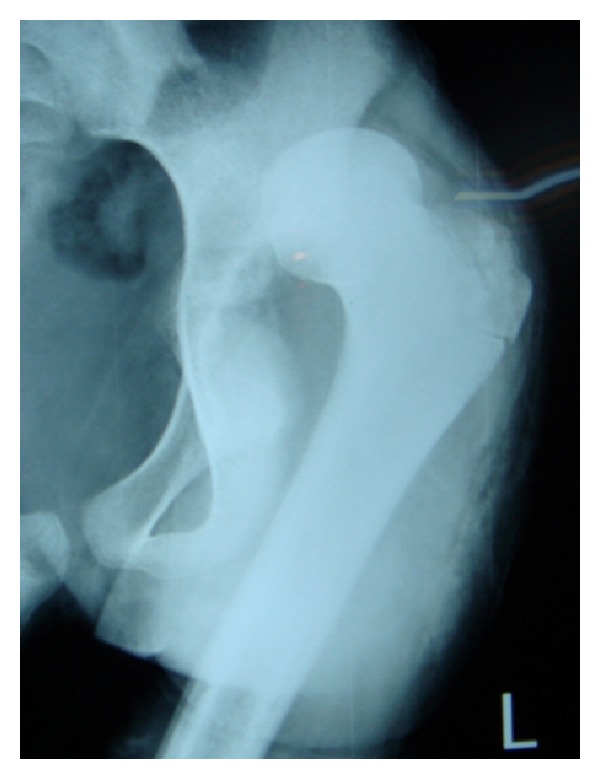
Background. Septic arthritis is a true orthopaedic emergency. Important factors determining outcome are rapid diagnosis and timely intervention. Changing trends in microbiological spectrum and emerging drug resistance poses big challenge. Present study evaluates bacterial strains and their sensitivity pattern in septic arthritis of North Indian children. Methods. Fifty children with septic arthritis of any joint were evaluated. Joint was aspirated and 2 cc of aspirated fluid was sent for gram stain and culture. Blood cultures were also sent for bacteriological evaluation. Results. Fifty percent cases had definite radiological evidence of septic arthritis whereas ultrasound revealed fluid in 98% cases. Aspirated fluid showed isolates in 72% cases. The most common organism was Staphylococcus aureus (62%) followed by Streptococcus pneumoniae and Gr. B Streptococcus. Blood culture could grow the organism in 34% cases only. The bacterial strain showed significant resistance to common antibiotic cocktail in routine practice. Resistance to cloxacillin and ceftriaxone was 62% and 14% respectively. No organisms were resistant to vancomycin and linezolid. Conclusion. S. aureus is still the most common organism in septic arthritis. Though a significant resistance to common antibiotic cocktail is noticed, the strain is susceptible to higher antibiotics. We recommend using these antibiotics as an empirical therapy till culture and sensitivity report is available.


 求助内容:
求助内容: 应助结果提醒方式:

 京公网安备 11010802042870号


