
Comparison of the anatomic structure of the wood and flavonoid composition of the extracts of Jiangzhenxiang and Dalbergia odorifera
IF 2.5
3区 农林科学
Q2 FORESTRY
引用次数: 0
Abstract
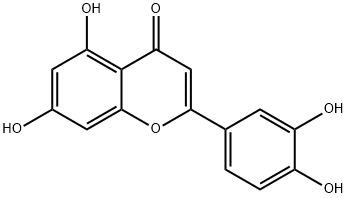
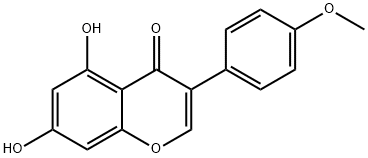
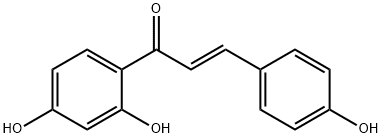
Abstract Jiangzhenxiang—the resinous material formed in Dalbergia pinnata — exhibits dense texture, attractive grain patterns, and abundant inclusions, frequently being substituted for or combined with Dalbergia odorifera as the traditional Chinese medicine “Jiangxiang.” Investigating their physicochemical characteristics and clarifying their distinctions will facilitate optimized material utilization. Comparative anatomical analysis through sectioning revealed three key differences: (1) Jiangzhenxiang exhibits more densely distributed vessels, frequently occluded with reddish-brown gum deposits, whereas such deposits are rarely observed in D. odorifera ; (2) its wood rays in Jiangzhenxiang are predominantly uniseriate and non-storied, while D. odorifera possesses predominantly multiseriate rays accompanied by a distinctly storied arrangement of all axial elements; (3) axial parenchyma in Jiangzhenxiang is primarily vasicentric and paratracheal banded (2–5 cells wide), whereas D. odorifera displays aliform, confluent, paratracheal banded, and apotracheal banded configurations. Ultra-high-performance liquid chromatography quadrupole time-of-flight mass spectrometry analysis of wood extracts identified 18 flavonoid compounds and the suggestion of 17 flavonoids in Jiangzhenxiang for the first time, primarily comprising flavonoids, dihydroflavonoids, isoflavones, and chalcones showing compositional congruence with D. odorifera . Both species shared dominant constituents including liquiritigenin, formononetin, calycosin, and isoliquiritigenin. Quantitative variations emerged notably in calycosin and isorhamnetin levels (significantly higher in Jiangzhenxiang, contrasted with fisetin, butin, medicarpin, and dalbergin concentrations [markedly lower than D. odorifera ]). This study delineates microstructural distinctions in vessel pores, wood rays, and axial parenchyma while pioneering the identification of principal flavonoids in Jiangzhenxiang. These findings establish a scientific foundation for its rational application in wood utilization and herbal medicine, particularly regarding its substitutive potential for D. odorifera .姜镇香与降香黄檀木材解剖结构及提取物类黄酮成分比较
摘要姜镇香是黄檀中形成的一种树脂物质,其质地致密,纹路诱人,内含物丰富,常被用来代替或与降香黄檀合用,称为中药“姜镇香”。研究它们的理化特性,澄清它们之间的区别,有助于优化材料的利用。通过切片对比解剖分析,揭示了三个关键差异:(1)姜镇香血管分布更密集,经常被红褐色胶质沉积物堵塞,而臭椿中很少有这种沉积物;(2)其在江镇乡的木射线以单列、无层状排列为主,而臭臭木射线以多列为主,轴向元素呈明显层状排列;(3)江镇香的轴向实质主要为血管中心型和气管旁带状(2-5个细胞宽),而臭椿则表现为翼形、合流型、气管旁带状和气管旁带状。超高效液相色谱-四极杆飞行时间质谱分析首次从姜镇香中鉴定出18种黄酮类化合物和17种黄酮类化合物,主要包括黄酮类化合物、二氢黄酮类化合物、异黄酮类化合物和查尔酮类化合物。两种植物的优势成分包括甘草素、刺芒柄花素、毛蕊花素和异甘草素。毛蕊异黄酮和异鼠李素的含量出现了明显的数量变化(姜镇香的含量明显高于非瑟酮、丁丁、麦地黄素和黄檀素的含量[明显低于降香草])。在初步鉴定姜镇香主要黄酮类化合物的同时,揭示了姜镇香血管气孔、木射线和轴向薄壁的微观结构特征。这些发现为其在木材利用和中草药领域的合理应用提供了科学依据,特别是其对臭草的替代潜力。
本文章由计算机程序翻译,如有差异,请以英文原文为准。
求助全文
约1分钟内获得全文
求助全文
来源期刊
Journal of Wood Science
工程技术-材料科学:纸与木材
CiteScore
5.40
自引率
10.30%
发文量
57
审稿时长
6 months
期刊介绍:
The Journal of Wood Science is the official journal of the Japan Wood Research Society. This journal provides an international forum for the exchange of knowledge and the discussion of current issues in wood and its utilization. The journal publishes original articles on basic and applied research dealing with the science, technology, and engineering of wood, wood components, wood and wood-based products, and wood constructions. Articles concerned with pulp and paper, fiber resources from non-woody plants, wood-inhabiting insects and fungi, wood biomass, and environmental and ecological issues in forest products are also included. In addition to original articles, the journal publishes review articles on selected topics concerning wood science and related fields. The editors welcome the submission of manuscripts from any country.
文献相关原料
原料信息
原料厂家




 求助内容:
 应助结果提醒方式:


 京公网安备 11010802042870号


