Getulio Pereira de Oliveira, Alan Zimmerman, Cintia C Palu, Vivian Tran, Gabrielle Bogut, Stephanie Chidester, John Tigges, Rafael A Vega, Elena Aikawa, Jennifer Jones, Ionita C Ghiran, Alexander R Ivanov
{"title":"Extracellular Vesicles From Glioblastoma Cells Reflect 2D vs. 3D Culture Adaptation and Resistance to Temozolomide.","authors":"Getulio Pereira de Oliveira, Alan Zimmerman, Cintia C Palu, Vivian Tran, Gabrielle Bogut, Stephanie Chidester, John Tigges, Rafael A Vega, Elena Aikawa, Jennifer Jones, Ionita C Ghiran, Alexander R Ivanov","doi":"10.1016/j.mcpro.2026.101610","DOIUrl":null,"url":null,"abstract":"<p><p>Glioblastoma (GBM) is an aggressive brain tumor marked by extensive heterogeneity, resistance to therapy, and dismal prognosis. Extracellular vesicles (EVs) have emerged as key players in GBM biology, mediating intercellular communication and therapy adaptation. However, the exact functions and molecular impact of EVs in GBM remain incompletely understood. In this study, we performed a comparative proteomic analysis of U87MG GBM cells grown in two-dimensional (2D) monolayers and three-dimensional (3D) spheroids following temozolomide (TMZ) treatment, alongside characterization of EVs derived from both culture systems. 3D-spheroids secreted more EVs of smaller size and exhibited a more TMZ-resistant, stem-like proteome under TMZ-induced genotoxic stress. In contrast, 2D cell cultures demonstrated greater proteome remodeling, with EVs enriched in protein families involved in DNA repair, oxidative stress adaptation, and methylation processes. Notably, several methyltransferases were decreased intracellularly but selectively retained in EVs, suggesting active sorting to influence the tumor microenvironment or modulate epigenetic states in recipient cells. EVs also carried adhesion molecules and signaling proteins linked to migration, invasion, and Wnt pathway activation, as well as metabolic enzymes connecting serine metabolism and redox control to TMZ resistance. Mapping EV and cellular proteomes onto The Cancer Genome Atlas (TCGA) dataset identified prognostic protein families associated with either poor or favorable patient outcomes. Our data demonstrate that EV cargo composition mirrors TMZ-induced phenotypic adaptation and reveals molecular mechanisms underlying therapeutic resistance. These EV-associated signatures may serve as clinically actionable biomarkers for patient stratification and offer potential targets to overcome chemoresistance in GBM.</p>","PeriodicalId":18712,"journal":{"name":"Molecular & Cellular Proteomics","volume":" ","pages":"101610"},"PeriodicalIF":6.3000,"publicationDate":"2026-07-01","publicationTypes":"Journal Article","fieldsOfStudy":null,"isOpenAccess":false,"openAccessPdf":"https://www.ncbi.nlm.nih.gov/pmc/articles/PMC13393710/pdf/","citationCount":"0","resultStr":null,"platform":"Semanticscholar","paperid":null,"PeriodicalName":"Molecular & Cellular Proteomics","FirstCategoryId":"1085","ListUrlMain":"https://doi.org/10.1016/j.mcpro.2026.101610","RegionNum":2,"RegionCategory":"生物学","ArticlePicture":[],"TitleCN":null,"AbstractTextCN":null,"PMCID":null,"EPubDate":"2026/6/24 0:00:00","PubModel":"Epub","JCR":"Q1","JCRName":"BIOCHEMICAL RESEARCH METHODS","Score":null,"Total":0}
引用次数: 0
Abstract
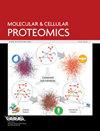
Glioblastoma (GBM) is an aggressive brain tumor marked by extensive heterogeneity, resistance to therapy, and dismal prognosis. Extracellular vesicles (EVs) have emerged as key players in GBM biology, mediating intercellular communication and therapy adaptation. However, the exact functions and molecular impact of EVs in GBM remain incompletely understood. In this study, we performed a comparative proteomic analysis of U87MG GBM cells grown in two-dimensional (2D) monolayers and three-dimensional (3D) spheroids following temozolomide (TMZ) treatment, alongside characterization of EVs derived from both culture systems. 3D-spheroids secreted more EVs of smaller size and exhibited a more TMZ-resistant, stem-like proteome under TMZ-induced genotoxic stress. In contrast, 2D cell cultures demonstrated greater proteome remodeling, with EVs enriched in protein families involved in DNA repair, oxidative stress adaptation, and methylation processes. Notably, several methyltransferases were decreased intracellularly but selectively retained in EVs, suggesting active sorting to influence the tumor microenvironment or modulate epigenetic states in recipient cells. EVs also carried adhesion molecules and signaling proteins linked to migration, invasion, and Wnt pathway activation, as well as metabolic enzymes connecting serine metabolism and redox control to TMZ resistance. Mapping EV and cellular proteomes onto The Cancer Genome Atlas (TCGA) dataset identified prognostic protein families associated with either poor or favorable patient outcomes. Our data demonstrate that EV cargo composition mirrors TMZ-induced phenotypic adaptation and reveals molecular mechanisms underlying therapeutic resistance. These EV-associated signatures may serve as clinically actionable biomarkers for patient stratification and offer potential targets to overcome chemoresistance in GBM.
期刊介绍:
The mission of MCP is to foster the development and applications of proteomics in both basic and translational research. MCP will publish manuscripts that report significant new biological or clinical discoveries underpinned by proteomic observations across all kingdoms of life. Manuscripts must define the biological roles played by the proteins investigated or their mechanisms of action.
The journal also emphasizes articles that describe innovative new computational methods and technological advancements that will enable future discoveries. Manuscripts describing such approaches do not have to include a solution to a biological problem, but must demonstrate that the technology works as described, is reproducible and is appropriate to uncover yet unknown protein/proteome function or properties using relevant model systems or publicly available data.
Scope:
-Fundamental studies in biology, including integrative "omics" studies, that provide mechanistic insights
-Novel experimental and computational technologies
-Proteogenomic data integration and analysis that enable greater understanding of physiology and disease processes
-Pathway and network analyses of signaling that focus on the roles of post-translational modifications
-Studies of proteome dynamics and quality controls, and their roles in disease
-Studies of evolutionary processes effecting proteome dynamics, quality and regulation
-Chemical proteomics, including mechanisms of drug action
-Proteomics of the immune system and antigen presentation/recognition
-Microbiome proteomics, host-microbe and host-pathogen interactions, and their roles in health and disease
-Clinical and translational studies of human diseases
-Metabolomics to understand functional connections between genes, proteins and phenotypes

 求助内容:
 应助结果提醒方式:


 京公网安备 11010802042870号


