A novel methodology using direct patient contact and UK national registries to collect long-term data from randomised trials: TARGIT-X - an extended follow-up study of the TARGIT-A trial of targeted intraoperative radiotherapy for breast cancer.
Jayant S Vaidya, Norman R Williams, Max Bulsara, Chris Brew-Graves, Ingrid Potyka, Nicholas Roberts, Julie Lindsay, Siobhan Laws, Sanjay Raj, Michael Douek, Mary Falzon, Gloria Petralia, Sarah Needleman, Anu Malhotra, Marcelle Bernstein, Jeffrey S Tobias
{"title":"A novel methodology using direct patient contact and UK national registries to collect long-term data from randomised trials: TARGIT-X - an extended follow-up study of the TARGIT-A trial of targeted intraoperative radiotherapy for breast cancer.","authors":"Jayant S Vaidya, Norman R Williams, Max Bulsara, Chris Brew-Graves, Ingrid Potyka, Nicholas Roberts, Julie Lindsay, Siobhan Laws, Sanjay Raj, Michael Douek, Mary Falzon, Gloria Petralia, Sarah Needleman, Anu Malhotra, Marcelle Bernstein, Jeffrey S Tobias","doi":"10.3310/GJJV2820","DOIUrl":null,"url":null,"abstract":"<p><strong>Background: </strong>Many diseases, including breast cancer, have a long natural history; therefore, longer-term effects of treatments are important for patients and for their full evaluation. However, trial follow-up data are collected by specific staff and are funded for a relatively short duration.</p><p><strong>Objective: </strong>We evaluated whether we could collect follow-up information for patients in a breast cancer randomised clinical trial by direct patient contact and data from national registries.</p><p><strong>Setting: </strong>The TARGIT-A randomised clinical trials of targeted intraoperative radiotherapy during lumpectomy versus whole-breast external beam radiotherapy (n=2298), and delayed TARGIT-IORT vs. external beam radiotherapy (<i>n</i> = 1153), recruited women with early breast cancer diagnosed in 33 centres in 12 countries, between March 2000 and June 2012. We planned to recruit all United Kingdom patients from the TARGIT-A trials for extended follow-up. These were the first randomised trials of intraoperative radiotherapy for breast cancer.</p><p><strong>Methods: </strong>We assessed the feasibility of recording whether patients are alive and their current health status, including events related to breast cancer, and effects of radiotherapy such as lung cancer diagnoses, by direct patient contact and data from NHS Digital (health episodes, diagnoses and death). Patients were consented in collaboration with the recruiting site and were then contacted annually, if appropriate, directly by the trial centre. We calculated the proportion of eligible patients whose status could be ascertained, contacted, consented and provided follow-up information via direct patient contact and/or NHS Digital data. We estimated the additional years of follow-up and its cost.</p><p><strong>Results: </strong>Six hundred and seven of 714 United Kingdom patients originally recruited in the TARGIT-A trials were initially eligible. We ascertained the current status or reason for non-participation of 574 (94.5%); 87% (502/574) of these patients' health status could be determined. Of these, 73% (366/502) or 60.3% of the total (366/607) were found to be in good health, provided valid consent for TARGIT-X and their health status. One hundred and thirty-six patients did not participate in TARGIT-X because: 105/136 (77%) were too unwell or had died, and for 6 patients, the consent was either incomplete or the physical form could not be traced. Less than 5% (25/502) of patients were unwilling to participate: 23 declined and 2 withdrew. We recorded an additional 103 deaths, more than doubling the initial number to 203. The quality of data returned by patients was very good [e.g. mismatch rate for recording date < 0.1% (1/1470 forms)]. Patients who participated increased their follow-up by a median 6 years [to 14 years (interquartile range 13-16)]. We found a much lower incidence of lung cancer diagnoses with TARGIT-IORT compared with EBRT (16-year incidence 1.8% vs 7.2%). The cost, including research funds, was < £60/patient/year of follow-up. Limitations included difficulties in receiving data from NHS Digital due to their repeated organisational changes, plus unexpected price rises in the costing of data download.</p><p><strong>Strengths and limitations: </strong>We were able to establish direct contact with the patient while they are alive, as well as gathered data from the national registries about their hospital episodes/new diagnoses and checked if they had died. Another strength is that despite the study management being considerably disrupted due to the COVID-19 pandemic (2020-present), which erupted in the midst of the study (2017-24), we believe we have shown that the approach is an effective means of continuing follow-up in the United Kingdom. A limitation of our approach is that the initial consent from the patient requires the site principal investigators to contact the patient, but this is just once. If consenting for direct patient contact and data collection from national registries is included in the initial trial set up, then our approach will enable very long-term follow-up of clinical trials.</p><p><strong>Future work: </strong>We recommend a study of using electronic secure systems for direct patient contact from the outset of a clinical trial to investigate the organisational and systemic bottlenecks in NHS Digital services, with a view to reduce bureaucracy and cost, and to investigate why results of large international well-conducted randomised trials that have been shown to be beneficial to patients and cost-effective to the health system are not widely adopted in the United Kingdom, while they are included in almost every other country's clinical practice guideline and get widely adopted worldwide to assess the influence of preconceived notions, conflicts of interest, that could prompt improvements in the National Institute for Health and Care Excellence processes.</p><p><strong>Conclusion: </strong>In the United Kingdom, 95% of patients are willing to be followed up in the long term. It is feasible to collect follow-up data for long-term health conditions accurately from patients with direct patient contact together with NHS Digital. It leads to a substantial increase in the length of follow-up and number of relevant events, at a low cost. Our new approach could be adopted as an efficient method of obtaining long-term follow-up data from patients in randomised clinical trials.</p><p><strong>Trial registration: </strong>This trial is registered as Current Controlled Trials ISRCTN (ISRCTN86287193) and ClinicalTrials.gov (NCT03501121) in April 2018, UK R&D ID Number: 17/0774, Ethics - REC reference: 18/LO/0181.</p><p><strong>Funding: </strong>This award was funded by the National Institute for Health and Care Research (NIHR) Health Technology Assessment programme (NIHR award ref: 14/49/13) and is published in full in <i>Health Technology Assessment</i>; Vol. 30, No. 29. See the NIHR Funding and Awards website for further award information.</p>","PeriodicalId":12898,"journal":{"name":"Health technology assessment","volume":"30 29","pages":"1-32"},"PeriodicalIF":4.0000,"publicationDate":"2026-04-01","publicationTypes":"Journal Article","fieldsOfStudy":null,"isOpenAccess":false,"openAccessPdf":"https://www.ncbi.nlm.nih.gov/pmc/articles/PMC13112128/pdf/","citationCount":"0","resultStr":null,"platform":"Semanticscholar","paperid":null,"PeriodicalName":"Health technology assessment","FirstCategoryId":"3","ListUrlMain":"https://doi.org/10.3310/GJJV2820","RegionNum":2,"RegionCategory":"医学","ArticlePicture":[],"TitleCN":null,"AbstractTextCN":null,"PMCID":null,"EPubDate":"","PubModel":"","JCR":"Q1","JCRName":"HEALTH CARE SCIENCES & SERVICES","Score":null,"Total":0}
引用次数: 0
Abstract
Background: Many diseases, including breast cancer, have a long natural history; therefore, longer-term effects of treatments are important for patients and for their full evaluation. However, trial follow-up data are collected by specific staff and are funded for a relatively short duration.
Objective: We evaluated whether we could collect follow-up information for patients in a breast cancer randomised clinical trial by direct patient contact and data from national registries.
Setting: The TARGIT-A randomised clinical trials of targeted intraoperative radiotherapy during lumpectomy versus whole-breast external beam radiotherapy (n=2298), and delayed TARGIT-IORT vs. external beam radiotherapy (n = 1153), recruited women with early breast cancer diagnosed in 33 centres in 12 countries, between March 2000 and June 2012. We planned to recruit all United Kingdom patients from the TARGIT-A trials for extended follow-up. These were the first randomised trials of intraoperative radiotherapy for breast cancer.
Methods: We assessed the feasibility of recording whether patients are alive and their current health status, including events related to breast cancer, and effects of radiotherapy such as lung cancer diagnoses, by direct patient contact and data from NHS Digital (health episodes, diagnoses and death). Patients were consented in collaboration with the recruiting site and were then contacted annually, if appropriate, directly by the trial centre. We calculated the proportion of eligible patients whose status could be ascertained, contacted, consented and provided follow-up information via direct patient contact and/or NHS Digital data. We estimated the additional years of follow-up and its cost.
Results: Six hundred and seven of 714 United Kingdom patients originally recruited in the TARGIT-A trials were initially eligible. We ascertained the current status or reason for non-participation of 574 (94.5%); 87% (502/574) of these patients' health status could be determined. Of these, 73% (366/502) or 60.3% of the total (366/607) were found to be in good health, provided valid consent for TARGIT-X and their health status. One hundred and thirty-six patients did not participate in TARGIT-X because: 105/136 (77%) were too unwell or had died, and for 6 patients, the consent was either incomplete or the physical form could not be traced. Less than 5% (25/502) of patients were unwilling to participate: 23 declined and 2 withdrew. We recorded an additional 103 deaths, more than doubling the initial number to 203. The quality of data returned by patients was very good [e.g. mismatch rate for recording date < 0.1% (1/1470 forms)]. Patients who participated increased their follow-up by a median 6 years [to 14 years (interquartile range 13-16)]. We found a much lower incidence of lung cancer diagnoses with TARGIT-IORT compared with EBRT (16-year incidence 1.8% vs 7.2%). The cost, including research funds, was < £60/patient/year of follow-up. Limitations included difficulties in receiving data from NHS Digital due to their repeated organisational changes, plus unexpected price rises in the costing of data download.
Strengths and limitations: We were able to establish direct contact with the patient while they are alive, as well as gathered data from the national registries about their hospital episodes/new diagnoses and checked if they had died. Another strength is that despite the study management being considerably disrupted due to the COVID-19 pandemic (2020-present), which erupted in the midst of the study (2017-24), we believe we have shown that the approach is an effective means of continuing follow-up in the United Kingdom. A limitation of our approach is that the initial consent from the patient requires the site principal investigators to contact the patient, but this is just once. If consenting for direct patient contact and data collection from national registries is included in the initial trial set up, then our approach will enable very long-term follow-up of clinical trials.
Future work: We recommend a study of using electronic secure systems for direct patient contact from the outset of a clinical trial to investigate the organisational and systemic bottlenecks in NHS Digital services, with a view to reduce bureaucracy and cost, and to investigate why results of large international well-conducted randomised trials that have been shown to be beneficial to patients and cost-effective to the health system are not widely adopted in the United Kingdom, while they are included in almost every other country's clinical practice guideline and get widely adopted worldwide to assess the influence of preconceived notions, conflicts of interest, that could prompt improvements in the National Institute for Health and Care Excellence processes.
Conclusion: In the United Kingdom, 95% of patients are willing to be followed up in the long term. It is feasible to collect follow-up data for long-term health conditions accurately from patients with direct patient contact together with NHS Digital. It leads to a substantial increase in the length of follow-up and number of relevant events, at a low cost. Our new approach could be adopted as an efficient method of obtaining long-term follow-up data from patients in randomised clinical trials.
Trial registration: This trial is registered as Current Controlled Trials ISRCTN (ISRCTN86287193) and ClinicalTrials.gov (NCT03501121) in April 2018, UK R&D ID Number: 17/0774, Ethics - REC reference: 18/LO/0181.
Funding: This award was funded by the National Institute for Health and Care Research (NIHR) Health Technology Assessment programme (NIHR award ref: 14/49/13) and is published in full in Health Technology Assessment; Vol. 30, No. 29. See the NIHR Funding and Awards website for further award information.
期刊介绍:
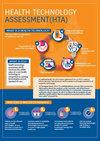
Health Technology Assessment (HTA) publishes research information on the effectiveness, costs and broader impact of health technologies for those who use, manage and provide care in the NHS.

 求助内容:
求助内容: 应助结果提醒方式:

 京公网安备 11010802042870号


