
Artificial Intelligence in Personalized Breast Cancer Drug Safety: From Preclinical Toxicology to Clinical Risk Management
IF 3.6
4区 医学
Q2 PHARMACOLOGY & PHARMACY
Clinical therapeutics
Pub Date : 2026-05-01
Epub Date: 2026-04-08
DOI:10.1016/j.clinthera.2026.03.002
引用次数: 0
Abstract
Purpose
The artificial intelligence (AI) implementation in personalized medicine has transformed drug safety, especially in breast cancer treatment. The importance of the need to treat breast cancer individually is acute as the disorder is heterogeneous and reacts differently to the use of chemotherapeutic agents.
Methods
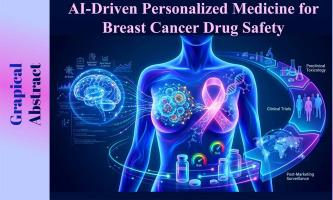
Use of AI technologies including machine learning algorithms, deep learning, and predictive analytics can be used to acknowledge the presence of any possible toxicological risks in the early drug development stages to enhance efficacy and safety of therapies.
Findings
The strategies can be used to tailor treatment according to the genetic, molecular, and clinical features of a patient and minimize adverse drug reactions and maximize outcomes. The promise in the application of AI to predict treatment responses, optimize drug dosages, and ensure long-term safety through the combination of clinical trials, patient records, and real-world evidence has been high.
Implications
Throughout this review, it has been shown that AI can transform preclinical toxicology, clinical trial design, and postmarketing surveillance and overcome challenges and opportunities in the expanding area of drug development in breast cancer https://clinicaltrials.gov/.
人工智能在个性化乳腺癌药物安全中的应用:从临床前毒理学到临床风险管理。
目的:人工智能(AI)在个性化医疗中的应用改变了药物安全,特别是乳腺癌治疗。单独治疗乳腺癌的重要性是迫切的,因为这种疾病是异质性的,对化疗药物的反应也不同。方法:利用人工智能技术,包括机器学习算法、深度学习和预测分析,可以在药物开发的早期阶段识别任何可能存在的毒理学风险,以提高治疗的有效性和安全性。研究结果:该策略可用于根据患者的遗传、分子和临床特征定制治疗,最大限度地减少药物不良反应并最大化结果。应用人工智能预测治疗反应、优化药物剂量,并通过结合临床试验、患者记录和现实证据确保长期安全性的前景一直很高。在这篇综述中,已经表明人工智能可以改变临床前毒理学、临床试验设计和上市后监测,并克服乳腺癌药物开发不断扩大的领域中的挑战和机遇https://clinicaltrials.gov/。
本文章由计算机程序翻译,如有差异,请以英文原文为准。
求助全文
约1分钟内获得全文
求助全文
来源期刊
Clinical therapeutics
医学-药学
CiteScore
6.00
自引率
3.10%
发文量
154
审稿时长
9 weeks
期刊介绍:
Clinical Therapeutics provides peer-reviewed, rapid publication of recent developments in drug and other therapies as well as in diagnostics, pharmacoeconomics, health policy, treatment outcomes, and innovations in drug and biologics research. In addition Clinical Therapeutics features updates on specific topics collated by expert Topic Editors. Clinical Therapeutics is read by a large international audience of scientists and clinicians in a variety of research, academic, and clinical practice settings. Articles are indexed by all major biomedical abstracting databases.
 求助内容:
求助内容: 应助结果提醒方式:

 京公网安备 11010802042870号


