D. Yu. Yuriev, I. V. Barabanshchikov, V. A. Strukova, S. V. Tkachenko, A. A. Pakhomov, S. M. Deev, M. G. Akimov, N. D. Ternovaya, G. D. Sherstyanykh, V. A. Sazonova, V. A. Kalinkina, S. A. Ulasevich, M. S. Oshchepkov
{"title":"1,8-Naphthalimide-Based Fluorescent Bisphosphonates: Molecular Design, Spectral-Luminescent Properties, and Osteotropic Targeted Delivery Systems","authors":"D. Yu. Yuriev, I. V. Barabanshchikov, V. A. Strukova, S. V. Tkachenko, A. A. Pakhomov, S. M. Deev, M. G. Akimov, N. D. Ternovaya, G. D. Sherstyanykh, V. A. Sazonova, V. A. Kalinkina, S. A. Ulasevich, M. S. Oshchepkov","doi":"10.1134/S1068162025605105","DOIUrl":null,"url":null,"abstract":"<p><b>Objective:</b> Pathological calcification and bone-metastatic cancers represent significant diagnostic and therapeutic challenges. This study aims to develop a novel theranostic platform based on 1,8-naphthalimide-derived fluorescent bisphosphonates for the selective detection of hydroxyapatite deposits and the creation of effective osteotropic drug delivery systems for bone cancer treatment. <b>Methods:</b> A series of new fluorescent bisphosphonates with systematically varied substituents were synthesized. Their photophysical properties were thoroughly characterized using spectrophotometric and spectrofluorimetric analysis in aqueous and viscous media. The lead compound, a 4-(2-hydroxyethylthio)-substituted derivative, was covalently conjugated to PLGA copolymer <i>via</i> Steglich esterification. PLGA nanoparticles were subsequently fabricated from the conjugate using an ultrasonic method. Internalization and distribution were visualized using fluorescence microscopy on Saos-2 and C2C12 cell lines. <b>Results and Discussion:</b> The synthesized bisphosphonates demonstrated excellent spectral-luminescent characteristics in water, with high quantum yields and viscosity-sensitive emission, confirming their suitability as microenvironment sensors. Cytotoxicity analysis confirmed the low toxicity of the lead compounds and of the nanoparticles on the Saos-2 cell line. The possibility of fluorescence imaging combined with the therapeutic effect of drug loading will further allow these nanoparticles to be considered a promising platform for simultaneous visualization and targeted therapy of bone cancer. <b>Conclusions:</b> We have developed and validated a versatile platform comprising novel fluorescent bisphosphonates and their functionalized PLGA nanocarriers. This study provides a robust foundation for the next generation of targeted theranostic agents for bone pathologies.</p>","PeriodicalId":758,"journal":{"name":"Russian Journal of Bioorganic Chemistry","volume":"52 2","pages":""},"PeriodicalIF":1.7000,"publicationDate":"2026-03-26","publicationTypes":"Journal Article","fieldsOfStudy":null,"isOpenAccess":false,"openAccessPdf":"","citationCount":"0","resultStr":null,"platform":"Semanticscholar","paperid":null,"PeriodicalName":"Russian Journal of Bioorganic Chemistry","FirstCategoryId":"92","ListUrlMain":"https://link.springer.com/article/10.1134/S1068162025605105","RegionNum":4,"RegionCategory":"化学","ArticlePicture":[],"TitleCN":null,"AbstractTextCN":null,"PMCID":null,"EPubDate":"","PubModel":"","JCR":"Q4","JCRName":"BIOCHEMISTRY & MOLECULAR BIOLOGY","Score":null,"Total":0}
引用次数: 0
Abstract
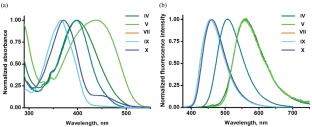
Objective: Pathological calcification and bone-metastatic cancers represent significant diagnostic and therapeutic challenges. This study aims to develop a novel theranostic platform based on 1,8-naphthalimide-derived fluorescent bisphosphonates for the selective detection of hydroxyapatite deposits and the creation of effective osteotropic drug delivery systems for bone cancer treatment. Methods: A series of new fluorescent bisphosphonates with systematically varied substituents were synthesized. Their photophysical properties were thoroughly characterized using spectrophotometric and spectrofluorimetric analysis in aqueous and viscous media. The lead compound, a 4-(2-hydroxyethylthio)-substituted derivative, was covalently conjugated to PLGA copolymer via Steglich esterification. PLGA nanoparticles were subsequently fabricated from the conjugate using an ultrasonic method. Internalization and distribution were visualized using fluorescence microscopy on Saos-2 and C2C12 cell lines. Results and Discussion: The synthesized bisphosphonates demonstrated excellent spectral-luminescent characteristics in water, with high quantum yields and viscosity-sensitive emission, confirming their suitability as microenvironment sensors. Cytotoxicity analysis confirmed the low toxicity of the lead compounds and of the nanoparticles on the Saos-2 cell line. The possibility of fluorescence imaging combined with the therapeutic effect of drug loading will further allow these nanoparticles to be considered a promising platform for simultaneous visualization and targeted therapy of bone cancer. Conclusions: We have developed and validated a versatile platform comprising novel fluorescent bisphosphonates and their functionalized PLGA nanocarriers. This study provides a robust foundation for the next generation of targeted theranostic agents for bone pathologies.
期刊介绍:
Russian Journal of Bioorganic Chemistry publishes reviews and original experimental and theoretical studies on the structure, function, structure–activity relationships, and synthesis of biopolymers, such as proteins, nucleic acids, polysaccharides, mixed biopolymers, and their complexes, and low-molecular-weight biologically active compounds (peptides, sugars, lipids, antibiotics, etc.). The journal also covers selected aspects of neuro- and immunochemistry, biotechnology, and ecology.

 求助内容:
求助内容: 应助结果提醒方式:

 京公网安备 11010802042870号


