{"title":"Bringing Cervical Cancer Screening Closer to Women: Feasibility of Artificial Intelligence and Remote Assessment in Primary Health Care.","authors":"Saritha Shamsunder, Leela Digumarti, Bhagyalaxmi Nayak, Vasantha Dasari, Archana Mishra, Anita Kumar, Sony Nanda, Jugal Kishore, Nishi Choudhary","doi":"10.3389/ijph.2026.1609094","DOIUrl":null,"url":null,"abstract":"<p><strong>Objective: </strong>The objective was to assess the feasibility of image-based methods for screening and triaging women in a single visit by: (i) a trained but inexperienced nurse, (ii) remote expert review via a web system, (iii) an artificial intelligence (AI) model.</p><p><strong>Methods: </strong>Sexually active, non-pregnant women (25-65 years) were screened using visual inspection method Cervical images captured with Smart Scope® CX were assessed independently by nurses, remote experts, and AI, with assessors blinded to each other. Referrals for colposcopy were based on remote expert evaluations followed by colposcopy/biopsy.</p><p><strong>Results: </strong>Among 871 women screened, AI identified 205 positives; experts identified 201. Colposcopy was performed on 69 women, 40 of them had a biopsy. Compared to histopathology, AI achieved 86.7% sensitivity, 92.0% specificity, and 90.0% accuracy (AUC = 0.894). Remote experts showed high sensitivity (86.7%) but low specificity (32%) and accuracy (52.5%).</p><p><strong>Conclusion: </strong>This study provides proof of concept for the feasibility of the AI-driven Smart Scope® CX test as a single-visit \"screen-and-triage\" tool in primary healthcare settings. Additionally, remote expert assessment demonstrating performance comparable to colposcopy indicates its potential as an alternative triage method in low-resource settings.</p>","PeriodicalId":14322,"journal":{"name":"International Journal of Public Health","volume":"71 ","pages":"1609094"},"PeriodicalIF":2.4000,"publicationDate":"2026-03-05","publicationTypes":"Journal Article","fieldsOfStudy":null,"isOpenAccess":false,"openAccessPdf":"https://www.ncbi.nlm.nih.gov/pmc/articles/PMC12999539/pdf/","citationCount":"0","resultStr":null,"platform":"Semanticscholar","paperid":null,"PeriodicalName":"International Journal of Public Health","FirstCategoryId":"3","ListUrlMain":"https://doi.org/10.3389/ijph.2026.1609094","RegionNum":3,"RegionCategory":"医学","ArticlePicture":[],"TitleCN":null,"AbstractTextCN":null,"PMCID":null,"EPubDate":"2026/1/1 0:00:00","PubModel":"eCollection","JCR":"Q2","JCRName":"PUBLIC, ENVIRONMENTAL & OCCUPATIONAL HEALTH","Score":null,"Total":0}
引用次数: 0
Abstract
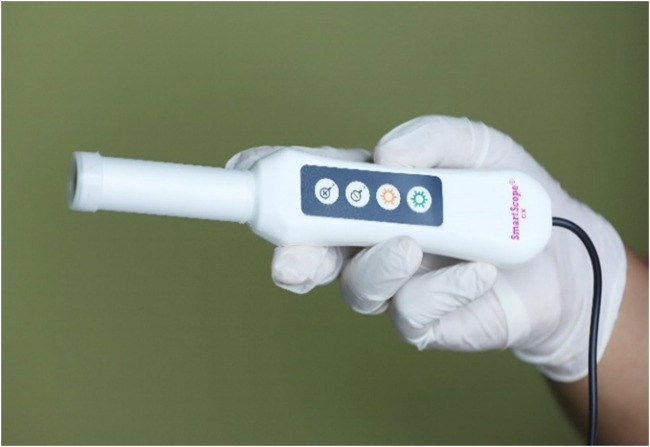
Objective: The objective was to assess the feasibility of image-based methods for screening and triaging women in a single visit by: (i) a trained but inexperienced nurse, (ii) remote expert review via a web system, (iii) an artificial intelligence (AI) model.
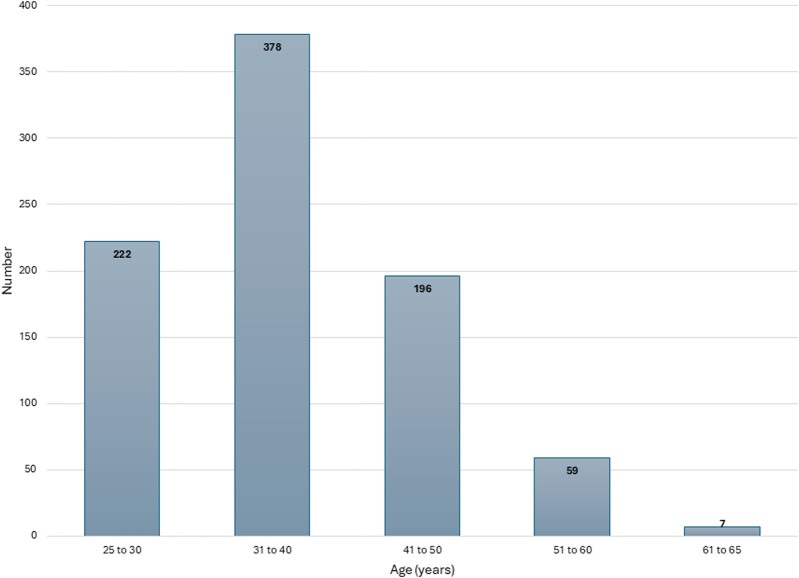
Methods: Sexually active, non-pregnant women (25-65 years) were screened using visual inspection method Cervical images captured with Smart Scope® CX were assessed independently by nurses, remote experts, and AI, with assessors blinded to each other. Referrals for colposcopy were based on remote expert evaluations followed by colposcopy/biopsy.
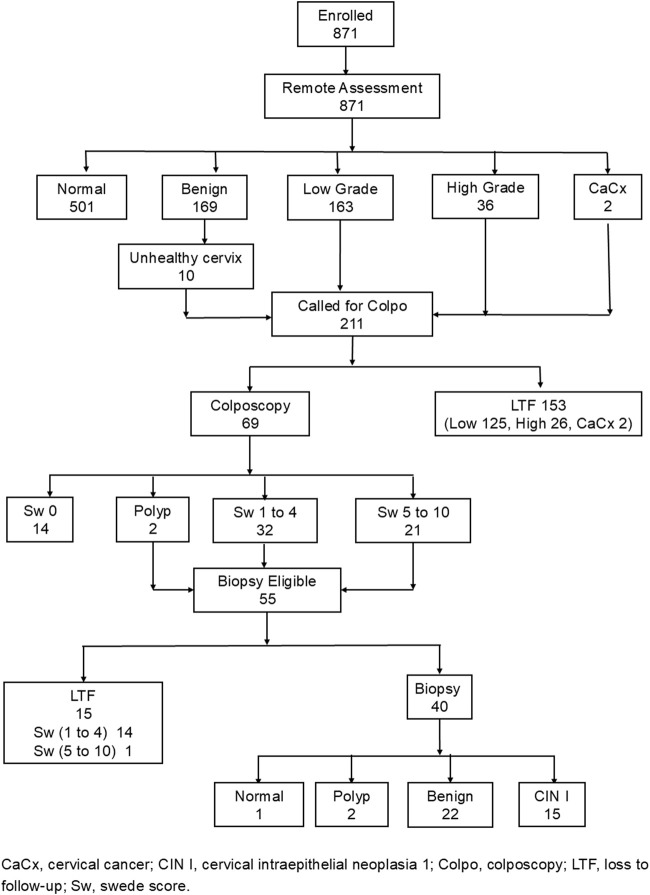
Results: Among 871 women screened, AI identified 205 positives; experts identified 201. Colposcopy was performed on 69 women, 40 of them had a biopsy. Compared to histopathology, AI achieved 86.7% sensitivity, 92.0% specificity, and 90.0% accuracy (AUC = 0.894). Remote experts showed high sensitivity (86.7%) but low specificity (32%) and accuracy (52.5%).
Conclusion: This study provides proof of concept for the feasibility of the AI-driven Smart Scope® CX test as a single-visit "screen-and-triage" tool in primary healthcare settings. Additionally, remote expert assessment demonstrating performance comparable to colposcopy indicates its potential as an alternative triage method in low-resource settings.
期刊介绍:
The International Journal of Public Health publishes scientific articles relevant to global public health, from different countries and cultures, and assembles them into issues that raise awareness and understanding of public health problems and solutions. The Journal welcomes submissions of original research, critical and relevant reviews, methodological papers and manuscripts that emphasize theoretical content. IJPH sometimes publishes commentaries and opinions. Special issues highlight key areas of current research. The Editorial Board''s mission is to provide a thoughtful forum for contemporary issues and challenges in global public health research and practice.

 求助内容:
求助内容: 应助结果提醒方式:

 京公网安备 11010802042870号


