Ana Teresa Ferreira, Joana Mesquita, Marta Rocha, Ricardo Marcos-Pinto, Isabel Pedroto, Marta Salgado
{"title":"Malignant Small Bowel Neoplasms: A 20-Year Retrospective Analysis in a Tertiary Center.","authors":"Ana Teresa Ferreira, Joana Mesquita, Marta Rocha, Ricardo Marcos-Pinto, Isabel Pedroto, Marta Salgado","doi":"10.1159/000550586","DOIUrl":null,"url":null,"abstract":"<p><strong>Introduction: </strong>Malignant small bowel neoplasms are rare entities, and knowledge about them remains limited due to their histological diversity and the challenges associated with their investigation. However, their rising incidence has generated increasing clinical and research interest. This study aimed to describe the demographic and clinical characteristics of patients with malignant neoplasms of small bowel and the evolution in their diagnosis over 20 years in a tertiary center.</p><p><strong>Methods: </strong>Single-center retrospective study of data of patients with malignant small bowel neoplasms diagnosed between 2001 and 2020 in a tertiary hospital was performed. Statistical analysis was performed with SPSS version 29.0 (significance level ≤0.05).</p><p><strong>Results: </strong>Out of 135 patients included, 57% were male. Eighty-nine neoplasms (65.9%) were found in the jejunum/ileum. Adenocarcinomas were the most frequently diagnosed neoplasms (31.1%), followed by neuroendocrine tumors (28.1%). At the time of diagnosis, the majority of patients (80.7%) were symptomatic, with severe complications - including obstruction, hemorrhage, or perforation - occurring in 55.4% of cases. Diagnosis typically involved CT scan (40.7%) or upper digestive endoscopy (22.2%); notably, 22.2% patients still required surgery for diagnosis. Diagnoses were mainly made between 2011 and 2020 (65.9%). Between 2001 and 2010, the most common diagnosed tumors were adenocarcinomas (37.0%), whereas between 2011 and 2020, the most frequently diagnosed malignant neoplasms were neuroendocrine tumors (37.1%). The distribution of histological types differed significantly over the years (<i>p</i> = 0.016). Adenocarcinoma had a higher mortality rate (54.8%) compared to neuroendocrine tumors (7.9%).</p><p><strong>Discussion/conclusion: </strong>Given the rarity of these tumors, the cohort of malignant small bowel neoplasms collected at this tertiary center over a 20-year period represents a substantial sample. More than half of patients were symptomatic at diagnosis, despite diagnostic advances over the years. In the last 10 years of the study, there has been an increase in incidence as well as in 5-year survival rates, possibly due to the higher incidence of neuroendocrine tumors and the lower incidence of adenocarcinomas. Notably, the diagnosis of each histological neoplasm type differed significantly statistically over the years, with neuroendocrine tumors being the most diagnosed in recent years.</p>","PeriodicalId":51838,"journal":{"name":"GE Portuguese Journal of Gastroenterology","volume":"33 1","pages":"355-366"},"PeriodicalIF":0.6000,"publicationDate":"2026-02-02","publicationTypes":"Journal Article","fieldsOfStudy":null,"isOpenAccess":false,"openAccessPdf":"https://www.ncbi.nlm.nih.gov/pmc/articles/PMC12981900/pdf/","citationCount":"0","resultStr":null,"platform":"Semanticscholar","paperid":null,"PeriodicalName":"GE Portuguese Journal of Gastroenterology","FirstCategoryId":"1085","ListUrlMain":"https://doi.org/10.1159/000550586","RegionNum":0,"RegionCategory":null,"ArticlePicture":[],"TitleCN":null,"AbstractTextCN":null,"PMCID":null,"EPubDate":"2026/1/1 0:00:00","PubModel":"eCollection","JCR":"Q4","JCRName":"GASTROENTEROLOGY & HEPATOLOGY","Score":null,"Total":0}
引用次数: 0
Abstract
Introduction: Malignant small bowel neoplasms are rare entities, and knowledge about them remains limited due to their histological diversity and the challenges associated with their investigation. However, their rising incidence has generated increasing clinical and research interest. This study aimed to describe the demographic and clinical characteristics of patients with malignant neoplasms of small bowel and the evolution in their diagnosis over 20 years in a tertiary center.
Methods: Single-center retrospective study of data of patients with malignant small bowel neoplasms diagnosed between 2001 and 2020 in a tertiary hospital was performed. Statistical analysis was performed with SPSS version 29.0 (significance level ≤0.05).
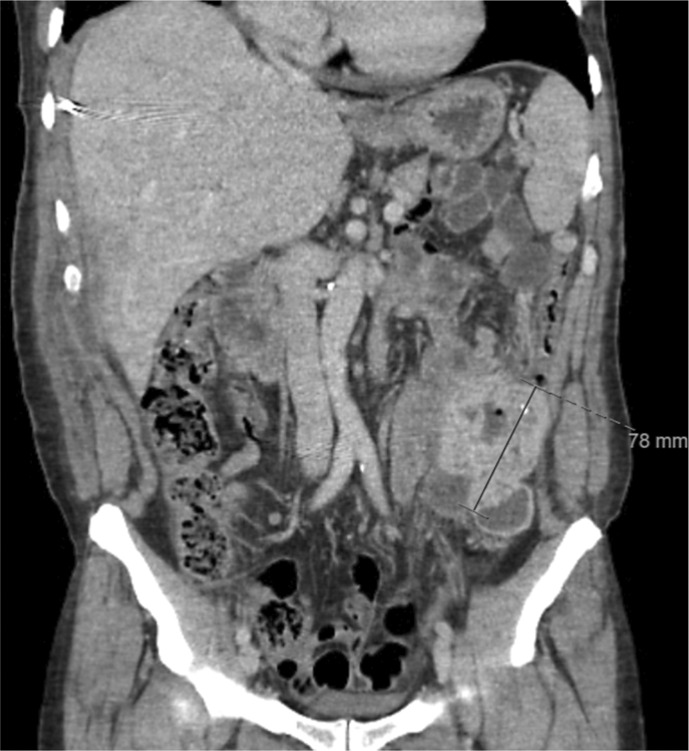
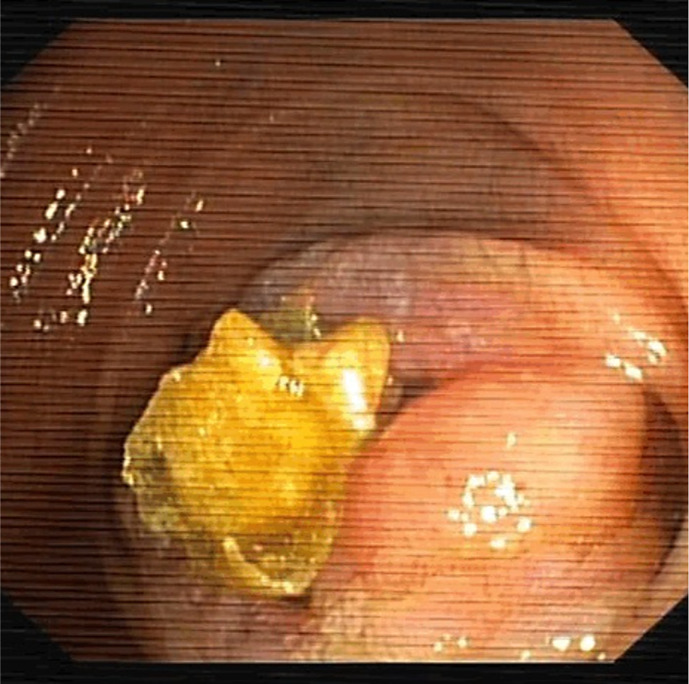
Results: Out of 135 patients included, 57% were male. Eighty-nine neoplasms (65.9%) were found in the jejunum/ileum. Adenocarcinomas were the most frequently diagnosed neoplasms (31.1%), followed by neuroendocrine tumors (28.1%). At the time of diagnosis, the majority of patients (80.7%) were symptomatic, with severe complications - including obstruction, hemorrhage, or perforation - occurring in 55.4% of cases. Diagnosis typically involved CT scan (40.7%) or upper digestive endoscopy (22.2%); notably, 22.2% patients still required surgery for diagnosis. Diagnoses were mainly made between 2011 and 2020 (65.9%). Between 2001 and 2010, the most common diagnosed tumors were adenocarcinomas (37.0%), whereas between 2011 and 2020, the most frequently diagnosed malignant neoplasms were neuroendocrine tumors (37.1%). The distribution of histological types differed significantly over the years (p = 0.016). Adenocarcinoma had a higher mortality rate (54.8%) compared to neuroendocrine tumors (7.9%).
Discussion/conclusion: Given the rarity of these tumors, the cohort of malignant small bowel neoplasms collected at this tertiary center over a 20-year period represents a substantial sample. More than half of patients were symptomatic at diagnosis, despite diagnostic advances over the years. In the last 10 years of the study, there has been an increase in incidence as well as in 5-year survival rates, possibly due to the higher incidence of neuroendocrine tumors and the lower incidence of adenocarcinomas. Notably, the diagnosis of each histological neoplasm type differed significantly statistically over the years, with neuroendocrine tumors being the most diagnosed in recent years.
期刊介绍:
The ''GE Portuguese Journal of Gastroenterology'' (formerly Jornal Português de Gastrenterologia), founded in 1994, is the official publication of Sociedade Portuguesa de Gastrenterologia (Portuguese Society of Gastroenterology), Sociedade Portuguesa de Endoscopia Digestiva (Portuguese Society of Digestive Endoscopy) and Associação Portuguesa para o Estudo do Fígado (Portuguese Association for the Study of the Liver). The journal publishes clinical and basic research articles on Gastroenterology, Digestive Endoscopy, Hepatology and related topics. Review articles, clinical case studies, images, letters to the editor and other articles such as recommendations or papers on gastroenterology clinical practice are also considered. Only articles written in English are accepted.



 求助内容:
求助内容: 应助结果提醒方式:

 京公网安备 11010802042870号


