{"title":"BEhavioural Weight Management: COMponents of Effectiveness (BE:COME) Synopsis.","authors":"Rebecca Gregg, Nishant Jaiswal, Sahar Sharif, Alison Avenell, Louisa Ells, Sandra Jayacodi, Ruth Mackenzie, Sharon Simpson, Olivia Wu, Jennifer Logue","doi":"10.3310/GJJL1701","DOIUrl":null,"url":null,"abstract":"<p><strong>Background: </strong>Behavioural weight management interventions are the main treatment for obesity in the United Kingdom; however, there are limitations in the published evidence on their effectiveness which in turn affects the available guidance. This research aims to determine which individual components of behavioural weight management programmes are associated with greater attendance, intervention completion and weight loss.</p><p><strong>Objective(s): </strong>To map individual components of behavioural weight management interventions. To analyse individual participant data using network meta-analyses at the level of the intervention and component network meta-analysis to investigate the relative effectiveness of components of behavioural weight management interventions for weight loss outcomes.</p><p><strong>Design: </strong>A two-stage Bayesian network meta-analysis and component network meta-analysis of individual participant data from randomised controlled trials and real-world services.</p><p><strong>Setting: </strong>Data obtained from two separate scenarios: randomised controlled trials and real-world services.</p><p><strong>Participants: </strong>Anonymous individual participant data of adults over 18 years of age, living in the United Kingdom and attending behavioural weight management interventions in randomised controlled trials (<i>n</i> = 4051) and in the real world (<i>n</i> = 76,201).</p><p><strong>Interventions: </strong>Behavioural weight management interventions.</p><p><strong>Main outcome measures: </strong>Mean change in weight at 12 weeks of active weight loss session of both randomised controlled trials and real-world service data.</p><p><strong>Results: </strong>Mapping of participating services demonstrated variating between the two scenarios (randomised controlled trial and real-world service) despite all following National Institute for Health and Care Excellence guidance. At intervention level, network meta-analysis of randomised controlled trials found that all behavioural weight management interventions lead to weight loss at 12 weeks, with Football Fans in Training showing the greatest weight loss (mean difference -4.65, 95% credible intervals -5.24 to -4.07) compared with all other interventions. The intervention-level individual participant data network meta-analysis of real-world services included data from 19 services (<i>n</i> = 76,201). The analysis for change in weight (kg) showed that face-to-face intervention with weekly sessions on diet and physical activity was associated with the greatest weight loss (programme 1; mean difference -4.03, 95% credible interval -4.12 to -3.94) when compared with other programmes; while interventions of group-based weekly sessions focusing solely on physical activity was associated with very low weight loss (programme 7; mean difference -0.28, 95% credible interval -0.40 to -0.15). Network meta-analysis at component level showed that components associated with weight loss in randomised controlled trials were tailoring (mean difference -5.54, 95% credible interval -7.72 to -3.35), flexibility (mean difference -3.18, 95% credible interval -4.29 to -2.07) and multimodal referral (mean difference -2.57, 95% credible interval -4.89 to -0.25). Based on the data from real-world services, the components associated with change in weight were multimodal referral (mean difference -2.01, 95% credible interval -2.13 to -1.88), personalised dietary advice (mean difference -1.22, 95% credible interval -1.33 to -1.11), flexibility (mean difference -0.41, 95% credible interval -0.47 to -0.35) and person delivery (mean difference -0.45, 95% credible interval -0.52 to -0.38).</p><p><strong>Limitations: </strong>Mapping was performed at service level, not individual. Completeness of the data from services was an issue in terms of missing weights and dates. The meta-analyses were limited due to missing information about ethnicity and socioeconomic status. Due to limited data, the analysis could not explore the interactions between the components. The components in real-world service interventions were not clearly defined, and therefore an element of uncertainty remains.</p><p><strong>Conclusions: </strong>Behavioural weight management interventions are effective in weight loss during initial phase, though there is a big variation in weight loss achieved at 12 weeks. Intervention components, including tailoring, flexibility to attend over weekends and weekdays, and multimodal referral pathways along with in-person delivery and personalised dietary advice are associated with weight loss.</p><p><strong>Future work: </strong>This research leaves a network of behavioural weight management programmes engaged in research and data sets available for future researchers in this field.</p><p><strong>Funding: </strong>This synopsis presents independent research funded by the National Institute for Health and Care Research (NIHR) Health Technology Assessment programme as award number NIHR129523.</p>","PeriodicalId":12898,"journal":{"name":"Health technology assessment","volume":"30 23","pages":"1-16"},"PeriodicalIF":3.4000,"publicationDate":"2026-03-01","publicationTypes":"Journal Article","fieldsOfStudy":null,"isOpenAccess":false,"openAccessPdf":"https://www.ncbi.nlm.nih.gov/pmc/articles/PMC12989907/pdf/","citationCount":"0","resultStr":null,"platform":"Semanticscholar","paperid":null,"PeriodicalName":"Health technology assessment","FirstCategoryId":"3","ListUrlMain":"https://doi.org/10.3310/GJJL1701","RegionNum":2,"RegionCategory":"医学","ArticlePicture":[],"TitleCN":null,"AbstractTextCN":null,"PMCID":null,"EPubDate":"","PubModel":"","JCR":"Q1","JCRName":"HEALTH CARE SCIENCES & SERVICES","Score":null,"Total":0}
引用次数: 0
Abstract
Background: Behavioural weight management interventions are the main treatment for obesity in the United Kingdom; however, there are limitations in the published evidence on their effectiveness which in turn affects the available guidance. This research aims to determine which individual components of behavioural weight management programmes are associated with greater attendance, intervention completion and weight loss.
Objective(s): To map individual components of behavioural weight management interventions. To analyse individual participant data using network meta-analyses at the level of the intervention and component network meta-analysis to investigate the relative effectiveness of components of behavioural weight management interventions for weight loss outcomes.
Design: A two-stage Bayesian network meta-analysis and component network meta-analysis of individual participant data from randomised controlled trials and real-world services.
Setting: Data obtained from two separate scenarios: randomised controlled trials and real-world services.
Participants: Anonymous individual participant data of adults over 18 years of age, living in the United Kingdom and attending behavioural weight management interventions in randomised controlled trials (n = 4051) and in the real world (n = 76,201).
Main outcome measures: Mean change in weight at 12 weeks of active weight loss session of both randomised controlled trials and real-world service data.
Results: Mapping of participating services demonstrated variating between the two scenarios (randomised controlled trial and real-world service) despite all following National Institute for Health and Care Excellence guidance. At intervention level, network meta-analysis of randomised controlled trials found that all behavioural weight management interventions lead to weight loss at 12 weeks, with Football Fans in Training showing the greatest weight loss (mean difference -4.65, 95% credible intervals -5.24 to -4.07) compared with all other interventions. The intervention-level individual participant data network meta-analysis of real-world services included data from 19 services (n = 76,201). The analysis for change in weight (kg) showed that face-to-face intervention with weekly sessions on diet and physical activity was associated with the greatest weight loss (programme 1; mean difference -4.03, 95% credible interval -4.12 to -3.94) when compared with other programmes; while interventions of group-based weekly sessions focusing solely on physical activity was associated with very low weight loss (programme 7; mean difference -0.28, 95% credible interval -0.40 to -0.15). Network meta-analysis at component level showed that components associated with weight loss in randomised controlled trials were tailoring (mean difference -5.54, 95% credible interval -7.72 to -3.35), flexibility (mean difference -3.18, 95% credible interval -4.29 to -2.07) and multimodal referral (mean difference -2.57, 95% credible interval -4.89 to -0.25). Based on the data from real-world services, the components associated with change in weight were multimodal referral (mean difference -2.01, 95% credible interval -2.13 to -1.88), personalised dietary advice (mean difference -1.22, 95% credible interval -1.33 to -1.11), flexibility (mean difference -0.41, 95% credible interval -0.47 to -0.35) and person delivery (mean difference -0.45, 95% credible interval -0.52 to -0.38).
Limitations: Mapping was performed at service level, not individual. Completeness of the data from services was an issue in terms of missing weights and dates. The meta-analyses were limited due to missing information about ethnicity and socioeconomic status. Due to limited data, the analysis could not explore the interactions between the components. The components in real-world service interventions were not clearly defined, and therefore an element of uncertainty remains.
Conclusions: Behavioural weight management interventions are effective in weight loss during initial phase, though there is a big variation in weight loss achieved at 12 weeks. Intervention components, including tailoring, flexibility to attend over weekends and weekdays, and multimodal referral pathways along with in-person delivery and personalised dietary advice are associated with weight loss.
Future work: This research leaves a network of behavioural weight management programmes engaged in research and data sets available for future researchers in this field.
Funding: This synopsis presents independent research funded by the National Institute for Health and Care Research (NIHR) Health Technology Assessment programme as award number NIHR129523.
期刊介绍:
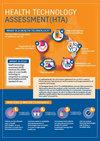
Health Technology Assessment (HTA) publishes research information on the effectiveness, costs and broader impact of health technologies for those who use, manage and provide care in the NHS.

 求助内容:
 应助结果提醒方式:


 京公网安备 11010802042870号


