Prognostic Value of Selective Nerve Root Blocks Prior to Pulsed Radiofrequency in the Treatment of Patients With Chronic Radicular Pain: A Systematic Review.
Marius R van Ooijen, Sezai Özkan, Koen van Boxem, Kris C P Vissers, Sandra A S van den Heuvel
{"title":"Prognostic Value of Selective Nerve Root Blocks Prior to Pulsed Radiofrequency in the Treatment of Patients With Chronic Radicular Pain: A Systematic Review.","authors":"Marius R van Ooijen, Sezai Özkan, Koen van Boxem, Kris C P Vissers, Sandra A S van den Heuvel","doi":"10.1111/papr.70132","DOIUrl":null,"url":null,"abstract":"<p><strong>Background/importance: </strong>Selective nerve root blocks (SNRBs) are frequently used in clinical algorithms for managing chronic radicular pain. However, their prognostic value in identifying patients likely to benefit from pulsed radiofrequency (PRF) treatment remains uncertain.</p><p><strong>Objective: </strong>This systematic review evaluates whether a positive response to an SNRB predicts improved clinical outcomes following PRF in patients with chronic radicular pain.</p><p><strong>Evidence review: </strong>A systematic search was conducted in PubMed, Embase, and Cochrane databases, along with reference lists of relevant articles. Eligible studies included patients with chronic radicular pain and assessed the prognostic role of SNRBs administered prior to PRF. Risk of bias was assessed using the ROBINS-I V2 tool.</p><p><strong>Results: </strong>Only one prospective observational study met inclusion criteria. In patients with chronic lumbosacral radicular pain, a positive SNRB response was associated with a higher likelihood of treatment success at 6-week follow-up (odds ratio: 3.26; 95% CI: 0.97-11.00; p = 0.06). Multivariate analysis identified limited baseline disability, age > 55 years, and a positive SNRB response as predictors of success at 6 months, with an area under the receiver operating characteristic curve of 0.73.</p><p><strong>Conclusions: </strong>This review identified a lack of published studies-aside from one prospective observational study-examining the prognostic value of SNRBs in the context of PRF for chronic radicular pain. The findings underscore not only a lack of high-quality evidence but a broader gap in the literature. Further robust research is warranted to clarify the clinical utility of SNRBs in guiding PRF treatment decisions.</p>","PeriodicalId":19974,"journal":{"name":"Pain Practice","volume":"26 3","pages":"e70132"},"PeriodicalIF":2.7000,"publicationDate":"2026-03-01","publicationTypes":"Journal Article","fieldsOfStudy":null,"isOpenAccess":false,"openAccessPdf":"https://www.ncbi.nlm.nih.gov/pmc/articles/PMC12963952/pdf/","citationCount":"0","resultStr":null,"platform":"Semanticscholar","paperid":null,"PeriodicalName":"Pain Practice","FirstCategoryId":"3","ListUrlMain":"https://doi.org/10.1111/papr.70132","RegionNum":3,"RegionCategory":"医学","ArticlePicture":[],"TitleCN":null,"AbstractTextCN":null,"PMCID":null,"EPubDate":"","PubModel":"","JCR":"Q2","JCRName":"ANESTHESIOLOGY","Score":null,"Total":0}
引用次数: 0
Abstract
Background/importance: Selective nerve root blocks (SNRBs) are frequently used in clinical algorithms for managing chronic radicular pain. However, their prognostic value in identifying patients likely to benefit from pulsed radiofrequency (PRF) treatment remains uncertain.
Objective: This systematic review evaluates whether a positive response to an SNRB predicts improved clinical outcomes following PRF in patients with chronic radicular pain.
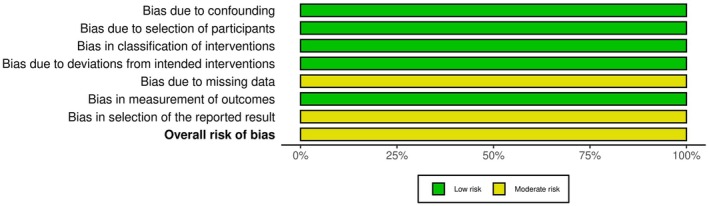
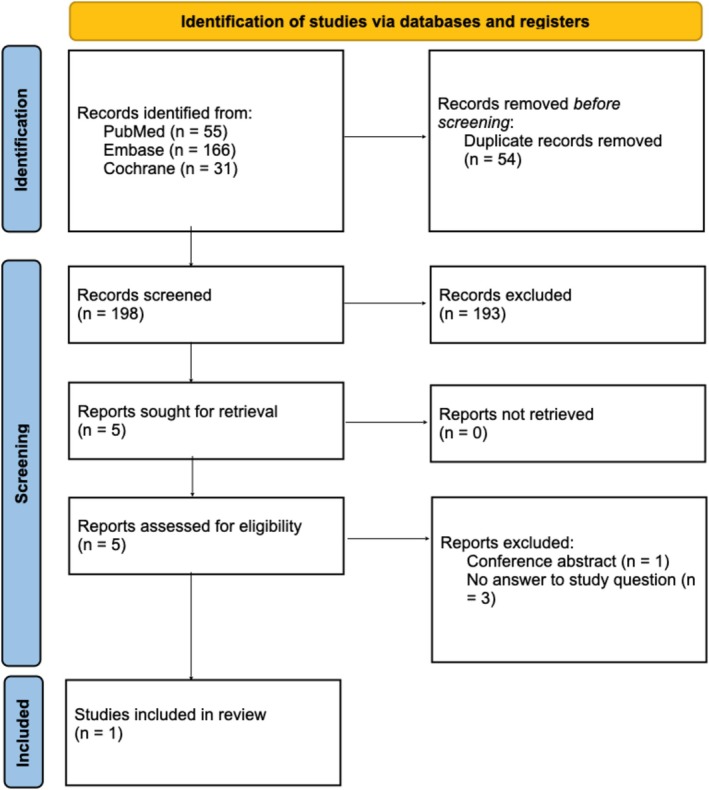
Evidence review: A systematic search was conducted in PubMed, Embase, and Cochrane databases, along with reference lists of relevant articles. Eligible studies included patients with chronic radicular pain and assessed the prognostic role of SNRBs administered prior to PRF. Risk of bias was assessed using the ROBINS-I V2 tool.
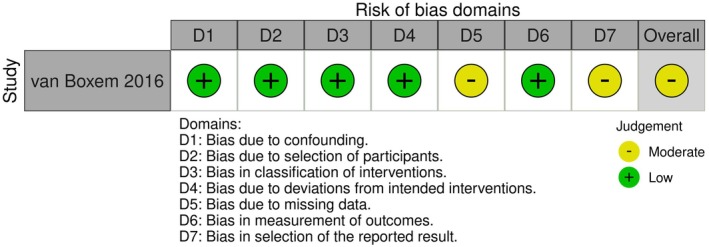
Results: Only one prospective observational study met inclusion criteria. In patients with chronic lumbosacral radicular pain, a positive SNRB response was associated with a higher likelihood of treatment success at 6-week follow-up (odds ratio: 3.26; 95% CI: 0.97-11.00; p = 0.06). Multivariate analysis identified limited baseline disability, age > 55 years, and a positive SNRB response as predictors of success at 6 months, with an area under the receiver operating characteristic curve of 0.73.
Conclusions: This review identified a lack of published studies-aside from one prospective observational study-examining the prognostic value of SNRBs in the context of PRF for chronic radicular pain. The findings underscore not only a lack of high-quality evidence but a broader gap in the literature. Further robust research is warranted to clarify the clinical utility of SNRBs in guiding PRF treatment decisions.
期刊介绍:
Pain Practice, the official journal of the World Institute of Pain, publishes international multidisciplinary articles on pain and analgesia that provide its readership with up-to-date research, evaluation methods, and techniques for pain management. Special sections including the Consultant’s Corner, Images in Pain Practice, Case Studies from Mayo, Tutorials, and the Evidence-Based Medicine combine to give pain researchers, pain clinicians and pain fellows in training a systematic approach to continuing education in pain medicine. Prior to publication, all articles and reviews undergo peer review by at least two experts in the field.

 求助内容:
求助内容: 应助结果提醒方式:

 京公网安备 11010802042870号


