{"title":"Cepharanthine, a valuable sanative alternative for hepatocellular carcinoma through regulating Hippo-Yes-associated protein signal transduction.","authors":"Kejun Hu, Yukai Zhao, Xinyu Fu, Sai Li, Ting Wu, Wangwang Liu, Wei Wang, Cheng Cheng, Huanhuan Qiu, Shumin Pan, Qi Lv, Guanglin Xu","doi":"10.1016/j.molpha.2026.100105","DOIUrl":null,"url":null,"abstract":"<p><p>Hepatocellular carcinoma (HCC) stands as a prevalent form of primary liver cancer, distinguished by challenging diagnosis and grim prognoses. Its global mortality rate is on the rise, compounded by the insensitivity of patients with HCC to conventional anticancer medications. The dysregulation of the Hippo-Yes-associated protein (YAP) signaling pathway closely intertwines with HCC progression, notably marked by a significant elevation in YAP expression within hepatocellular carcinoma. Cepharanthine, derived primarily from the Stephania cepharantha Hayata plant, emerges as a natural compound renowned for its diverse anticancer properties, capable of impeding the proliferation across various cancer cell lines. However, the precise mechanism by which cepharanthine influences HCC cells and its impact on the Hippo-YAP signaling pathway remains elusive. In this investigation, we used 2 distinct HCC cell lines alongside nude mice with xenograft tumors to scrutinize the antitumor potential of cepharanthine. Our findings reveal that cepharanthine effectively curbs the proliferation of hepatocellular carcinoma cells, retarding tumor growth. Moreover, it diminishes YAP expression within HCC cells and tumors, instigates YAP phosphorylation, and sequesters YAP within the cytoplasm. Consequently, the transcription and expression of YAP downstream target genes experience a notable decrease. Furthermore, we explored the influence of YAP expression levels on the pharmacodynamics of cepharanthine, leveraging YAP overexpression or knockdown techniques. This experimental strategy confirmed that cepharanthine exerts its antihepatoma efficacy by intervening in the Hippo-YAP signaling pathway. SIGNIFICANCE STATEMENT: This study highlights the potential of cepharanthine as a novel therapeutic agent for hepatocellular carcinoma by demonstrating its ability to inhibit tumor growth through the regulation of the Hippo-Yes-associated protein signaling pathway. Key findings include cepharanthine's capacity to reduce Yes-associated protein expression, promote its phosphorylation, and prevent nuclear translocation, thereby suppressing downstream proliferation-related genes. These insights offer a promising direction for developing effective treatments against hepatocellular carcinoma, addressing the urgent need for new therapeutic strategies in oncology.</p>","PeriodicalId":18767,"journal":{"name":"Molecular Pharmacology","volume":"108 3","pages":"100105"},"PeriodicalIF":3.0000,"publicationDate":"2026-03-01","publicationTypes":"Journal Article","fieldsOfStudy":null,"isOpenAccess":false,"openAccessPdf":"","citationCount":"0","resultStr":null,"platform":"Semanticscholar","paperid":null,"PeriodicalName":"Molecular Pharmacology","FirstCategoryId":"3","ListUrlMain":"https://doi.org/10.1016/j.molpha.2026.100105","RegionNum":3,"RegionCategory":"医学","ArticlePicture":[],"TitleCN":null,"AbstractTextCN":null,"PMCID":null,"EPubDate":"2026/2/3 0:00:00","PubModel":"Epub","JCR":"Q2","JCRName":"PHARMACOLOGY & PHARMACY","Score":null,"Total":0}
引用次数: 0
Abstract
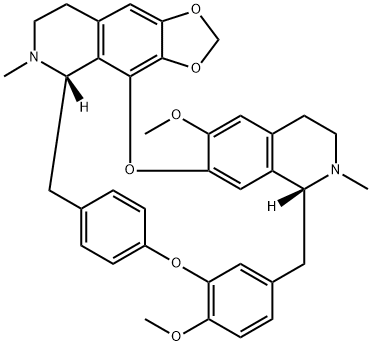
Hepatocellular carcinoma (HCC) stands as a prevalent form of primary liver cancer, distinguished by challenging diagnosis and grim prognoses. Its global mortality rate is on the rise, compounded by the insensitivity of patients with HCC to conventional anticancer medications. The dysregulation of the Hippo-Yes-associated protein (YAP) signaling pathway closely intertwines with HCC progression, notably marked by a significant elevation in YAP expression within hepatocellular carcinoma. Cepharanthine, derived primarily from the Stephania cepharantha Hayata plant, emerges as a natural compound renowned for its diverse anticancer properties, capable of impeding the proliferation across various cancer cell lines. However, the precise mechanism by which cepharanthine influences HCC cells and its impact on the Hippo-YAP signaling pathway remains elusive. In this investigation, we used 2 distinct HCC cell lines alongside nude mice with xenograft tumors to scrutinize the antitumor potential of cepharanthine. Our findings reveal that cepharanthine effectively curbs the proliferation of hepatocellular carcinoma cells, retarding tumor growth. Moreover, it diminishes YAP expression within HCC cells and tumors, instigates YAP phosphorylation, and sequesters YAP within the cytoplasm. Consequently, the transcription and expression of YAP downstream target genes experience a notable decrease. Furthermore, we explored the influence of YAP expression levels on the pharmacodynamics of cepharanthine, leveraging YAP overexpression or knockdown techniques. This experimental strategy confirmed that cepharanthine exerts its antihepatoma efficacy by intervening in the Hippo-YAP signaling pathway. SIGNIFICANCE STATEMENT: This study highlights the potential of cepharanthine as a novel therapeutic agent for hepatocellular carcinoma by demonstrating its ability to inhibit tumor growth through the regulation of the Hippo-Yes-associated protein signaling pathway. Key findings include cepharanthine's capacity to reduce Yes-associated protein expression, promote its phosphorylation, and prevent nuclear translocation, thereby suppressing downstream proliferation-related genes. These insights offer a promising direction for developing effective treatments against hepatocellular carcinoma, addressing the urgent need for new therapeutic strategies in oncology.
期刊介绍:
Molecular Pharmacology publishes findings derived from the application of innovative structural biology, biochemistry, biophysics, physiology, genetics, and molecular biology to basic pharmacological problems that provide mechanistic insights that are broadly important for the fields of pharmacology and toxicology. Relevant topics include:
Molecular Signaling / Mechanism of Drug Action
Chemical Biology / Drug Discovery
Structure of Drug-Receptor Complex
Systems Analysis of Drug Action
Drug Transport / Metabolism

 求助内容:
 应助结果提醒方式:


 京公网安备 11010802042870号


