
Structure-guided engineering of CYP82D213 for enhanced triptonide biosynthesis
IF 3.9
3区 生物学
Q2 BIOTECHNOLOGY & APPLIED MICROBIOLOGY
Enzyme and Microbial Technology
Pub Date : 2026-05-01
Epub Date: 2026-02-14
DOI:10.1016/j.enzmictec.2026.110832
引用次数: 0
Abstract
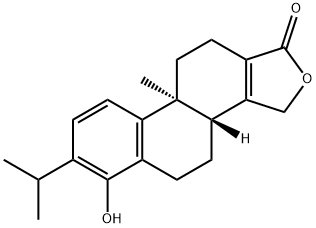
Triptonide (TN) is a highly oxidized, bioactive diterpenoid triepoxide from Tripterygium wilfordii with promising pharmaceutical applications. While the early steps of its biosynthesis have been elucidated, the mechanism responsible for the critical terminal tri-epoxidation remains to be elucidated. Here, to address the limitation posed by the low intrinsic activity of CYP82D213, we employed a comprehensive protein engineering strategy. Structure-guided mutagenesis pinpointed the key residues responsible for substrate recognition (G128, W129) and dynamic conformation (L396). Motif-driven engineering yielded the synergistic double mutant H425Q/L459M, which enhanced activity 2.30-fold. Subsequent surface charge optimization, further improved performance. The combination of these beneficial mutations in the triple mutant H425Q/L459M/T365R resulted in a 2.63-fold increase in TN production compared to the wild-type and revealed a putative dynamic catalytic mechanism that may involve substrate repositioning. These results provide a rational design strategy for complex multi-step enzyme catalysis.
结构导向工程CYP82D213增强雷公藤甲素的生物合成。
雷公藤内酯是雷公藤中一种高度氧化、具有生物活性的三氧化二萜类化合物,具有广阔的医药应用前景。虽然其生物合成的早期步骤已经阐明,但负责关键末端三环氧化的机制仍有待阐明。在这里,为了解决CYP82D213固有活性低所带来的限制,我们采用了一种综合的蛋白质工程策略。结构导向诱变确定了负责底物识别(G128, W129)和动态构象(L396)的关键残基。基序驱动工程获得了增效双突变体H425Q/L459M,其活性增强了2.3倍。后续的表面电荷优化,进一步提高了性能。在H425Q/L459M/T365R三重突变体中,这些有益突变的组合导致TN产量比野生型增加2.63倍,并揭示了可能涉及底物重新定位的假定动态催化机制。这些结果为复杂的多步骤酶催化提供了合理的设计策略。
本文章由计算机程序翻译,如有差异,请以英文原文为准。
求助全文
约1分钟内获得全文
求助全文
来源期刊
Enzyme and Microbial Technology
生物-生物工程与应用微生物
CiteScore
7.60
自引率
5.90%
发文量
142
审稿时长
38 days
期刊介绍:
Enzyme and Microbial Technology is an international, peer-reviewed journal publishing original research and reviews, of biotechnological significance and novelty, on basic and applied aspects of the science and technology of processes involving the use of enzymes, micro-organisms, animal cells and plant cells.
We especially encourage submissions on:
Biocatalysis and the use of Directed Evolution in Synthetic Biology and Biotechnology
Biotechnological Production of New Bioactive Molecules, Biomaterials, Biopharmaceuticals, and Biofuels
New Imaging Techniques and Biosensors, especially as applicable to Healthcare and Systems Biology
New Biotechnological Approaches in Genomics, Proteomics and Metabolomics
Metabolic Engineering, Biomolecular Engineering and Nanobiotechnology
Manuscripts which report isolation, purification, immobilization or utilization of organisms or enzymes which are already well-described in the literature are not suitable for publication in EMT, unless their primary purpose is to report significant new findings or approaches which are of broad biotechnological importance. Similarly, manuscripts which report optimization studies on well-established processes are inappropriate. EMT does not accept papers dealing with mathematical modeling unless they report significant, new experimental data.
文献相关原料
原料信息
原料厂家

 求助内容:
 应助结果提醒方式:


 京公网安备 11010802042870号


