
A novel fluorescent-labeled serum protein electrophoresis method for detection of monoclonal free light chains in serum

IF 2.3 3区 医学 Q2 MEDICAL LABORATORY TECHNOLOGY
Clinical biochemistry Pub Date : 2026-01-01 Epub Date: 2025-12-15 DOI:10.1016/j.clinbiochem.2025.111067
Gaoyang Pang , Xiaojun Kang , Yan Li , Xiaojuan Zhang , Huijun Ren
{"title":"A novel fluorescent-labeled serum protein electrophoresis method for detection of monoclonal free light chains in serum","authors":"Gaoyang Pang ,&nbsp;Xiaojun Kang ,&nbsp;Yan Li ,&nbsp;Xiaojuan Zhang ,&nbsp;Huijun Ren","doi":"10.1016/j.clinbiochem.2025.111067","DOIUrl":null,"url":null,"abstract":"<div><h3>Background</h3><div>Current guidelines recommend a combination of serum protein electrophoresis (SPE), immunofixation electrophoresis (IFE), and serum free light chain (FLC) assays for monoclonal immunoglobulin (M−protein) screening. However, the high cost of this comprehensive panel limits its widespread use. In routine clinical practice in China, SPE alone is commonly employed for general population screening, but it suffers from low sensitivity for detecting monoclonal free light chains (LC-M−proteins), leading to a high rate of missed diagnoses. There is a clear clinical need for a novel method that enhances LC-M−protein detection while preserving the practicality of SPE.</div></div><div><h3>Methods</h3><div>We established a fluorescent-labeled serum protein electrophoresis (FSPE) technique. The method utilizes 2-(diphenylphosphino)ethylamine (DPEA) to selectively reduce the C-terminal thiols of LC-M−proteins (4 °C, 60 min, dark), followed by specific fluorescent labeling with sulfo-Cyanine5 maleimide (4 °C, 30 min, dark). After agarose gel electrophoresis separation, synchronous identification and quantification of LC-M−proteins and intact M−proteins are achieved via dual-channel (fluorescence and protein staining) imaging.</div></div><div><h3>Results</h3><div>Method validation demonstrated that DPEA enables efficient and selective reduction. The detection limit of FSPE for LC-M−proteins reached 400 mg/L. Quantitative analysis showed excellent performance (linearity: R2 = 0.9887; total precision: relative standard deviation, RSD = 6.61%). FSPE results were highly correlated with the reference Freelite™ FLC assay (Spearman’s r<sub>s</sub> = 0.895, p &lt; 0.01), although Bland-Altman analysis revealed quantitative differences between individual samples.</div></div><div><h3>Conclusion</h3><div>FSPE represents a significant upgrade to conventional SPE, effectively addressing its critical flaw of missing LC-M−proteins while achieving sensitivity comparable to IFE. It retains the key advantages of SPE, namely operational simplicity and low cost. Therefore, FSPE emerges as a potential standalone method for efficient M−protein screening.</div></div>","PeriodicalId":10172,"journal":{"name":"Clinical biochemistry","volume":"141 ","pages":"Article 111067"},"PeriodicalIF":2.3000,"publicationDate":"2026-01-01","publicationTypes":"Journal Article","fieldsOfStudy":null,"isOpenAccess":false,"openAccessPdf":"","citationCount":"0","resultStr":null,"platform":"Semanticscholar","paperid":null,"PeriodicalName":"Clinical biochemistry","FirstCategoryId":"3","ListUrlMain":"https://www.sciencedirect.com/science/article/pii/S0009912025001961","RegionNum":3,"RegionCategory":"医学","ArticlePicture":[],"TitleCN":null,"AbstractTextCN":null,"PMCID":null,"EPubDate":"2025/12/15 0:00:00","PubModel":"Epub","JCR":"Q2","JCRName":"MEDICAL LABORATORY TECHNOLOGY","Score":null,"Total":0}
引用次数: 0

Abstract

Background

Current guidelines recommend a combination of serum protein electrophoresis (SPE), immunofixation electrophoresis (IFE), and serum free light chain (FLC) assays for monoclonal immunoglobulin (M−protein) screening. However, the high cost of this comprehensive panel limits its widespread use. In routine clinical practice in China, SPE alone is commonly employed for general population screening, but it suffers from low sensitivity for detecting monoclonal free light chains (LC-M−proteins), leading to a high rate of missed diagnoses. There is a clear clinical need for a novel method that enhances LC-M−protein detection while preserving the practicality of SPE.

Methods

We established a fluorescent-labeled serum protein electrophoresis (FSPE) technique. The method utilizes 2-(diphenylphosphino)ethylamine (DPEA) to selectively reduce the C-terminal thiols of LC-M−proteins (4 °C, 60 min, dark), followed by specific fluorescent labeling with sulfo-Cyanine5 maleimide (4 °C, 30 min, dark). After agarose gel electrophoresis separation, synchronous identification and quantification of LC-M−proteins and intact M−proteins are achieved via dual-channel (fluorescence and protein staining) imaging.

Results

Method validation demonstrated that DPEA enables efficient and selective reduction. The detection limit of FSPE for LC-M−proteins reached 400 mg/L. Quantitative analysis showed excellent performance (linearity: R2 = 0.9887; total precision: relative standard deviation, RSD = 6.61%). FSPE results were highly correlated with the reference Freelite™ FLC assay (Spearman’s rs = 0.895, p < 0.01), although Bland-Altman analysis revealed quantitative differences between individual samples.

Conclusion

FSPE represents a significant upgrade to conventional SPE, effectively addressing its critical flaw of missing LC-M−proteins while achieving sensitivity comparable to IFE. It retains the key advantages of SPE, namely operational simplicity and low cost. Therefore, FSPE emerges as a potential standalone method for efficient M−protein screening.
荧光标记血清蛋白电泳检测血清中单克隆游离轻链的新方法。
背景:目前的指南推荐结合血清蛋白电泳(SPE)、免疫固定电泳(IFE)和血清游离轻链(FLC)检测来筛选单克隆免疫球蛋白(m蛋白)。然而,这种综合面板的高成本限制了它的广泛应用。在中国的常规临床实践中,SPE通常单独用于普通人群筛查,但其检测单克隆游离轻链(lc - m蛋白)的灵敏度较低,导致漏诊率高。显然,临床需要一种新的方法来增强lc - m蛋白检测,同时保持SPE的实用性。方法建立荧光标记血清蛋白电泳(FSPE)技术。该方法利用2-(二苯基膦)乙胺(DPEA)选择性地还原lc - m蛋白的C端硫醇(4 °C, 60 min,暗),然后用磺基氰胺5马来酰亚胺(4 °C, 30 min,暗)进行特异性荧光标记。琼脂糖凝胶电泳分离后,通过双通道(荧光和蛋白染色)成像实现lc - m蛋白和完整m蛋白的同步鉴定和定量。结果:方法验证表明,DPEA具有高效、选择性的还原效果。FSPE对lc - m蛋白的检出限达到400 mg/L。定量分析结果良好(线性关系:R2 = 0.9887;总精密度:相对标准偏差,RSD = 6.61%)。FSPE结果与参考Freelite™FLC分析高度相关(Spearman’s rs = 0.895, p < 0.01),尽管Bland-Altman分析显示个体样品之间存在定量差异。结论:FSPE代表了传统SPE的重大升级,有效地解决了lc - m蛋白缺失的关键缺陷,同时获得了与IFE相当的灵敏度。它保留了SPE的主要优点,即操作简单和成本低。因此,FSPE成为高效m蛋白筛选的潜在独立方法。
本文章由计算机程序翻译,如有差异,请以英文原文为准。
求助全文
约1分钟内获得全文 求助全文
来源期刊
Clinical biochemistry
Clinical biochemistry 医学-医学实验技术
CiteScore
5.10
自引率
0.00%
发文量
151
审稿时长
25 days
期刊介绍: Clinical Biochemistry publishes articles relating to clinical chemistry, molecular biology and genetics, therapeutic drug monitoring and toxicology, laboratory immunology and laboratory medicine in general, with the focus on analytical and clinical investigation of laboratory tests in humans used for diagnosis, prognosis, treatment and therapy, and monitoring of disease.
文献相关原料
原料信息
原料厂家
1
Freelite FLC assay kit
2
Immage 800 analyzer
3
Sulfo-Cyanine5 maleimide
4
HYDRAGEL 15/30 PROTEIN(E)
5
HYDRAGEL 15/30 PROTEIN(E) kit
6
HYDRAGEL 9 IF
7
HYDRASYS 2 SCAN FOCUSING
8
HYDRASYS 2 SCAN FOCUSING system
9
Mini Space 3000 multifunction gel imaging system
10
Tanon Mini Space 3000
11
Freelite FLC assay
12
22
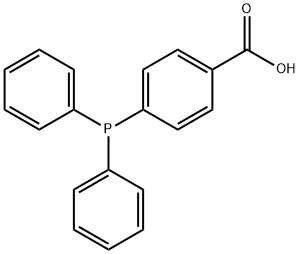
4-(diphenylphosphino)benzoic acid
2129-31-9
¥25.00-¥8273.00
13
22
2-(diphenylphosphino)ethylamine
4848-43-5
¥188.00-¥11492.00
14
22
Tris(2-carboxyethyl)phosphine
115-96-8
¥19.00-¥8000.00
15
22
2-(diphenylphosphino)benzenesulfonic acid
111864-25-6
¥37.00-¥4978.00
×
引用
GB/T 7714-2015
复制
MLA
复制
APA
复制
导出至
BibTeX EndNote RefMan NoteFirst NoteExpress
×
提示
您的信息不完整,为了账户安全,请先补充。
现在去补充
×
提示
您因"违规操作"
具体请查看互助需知
我知道了
×
提示
确定
请完成安全验证×
copy
已复制链接
快去分享给好友吧!
我知道了
右上角分享
点击右上角分享
0
联系我们:info@booksci.cn Book学术提供免费学术资源搜索服务,方便国内外学者检索中英文文献。致力于提供最便捷和优质的服务体验。 Copyright © 2023 布克学术 All rights reserved.
京ICP备2023020795号-1
ghs 京公网安备 11010802042870号
Book学术文献互助
Book学术文献互助群
群 号:604180095
Book学术官方微信
小红书



